The Sudden Cancellation of Pride Events in Vietnam
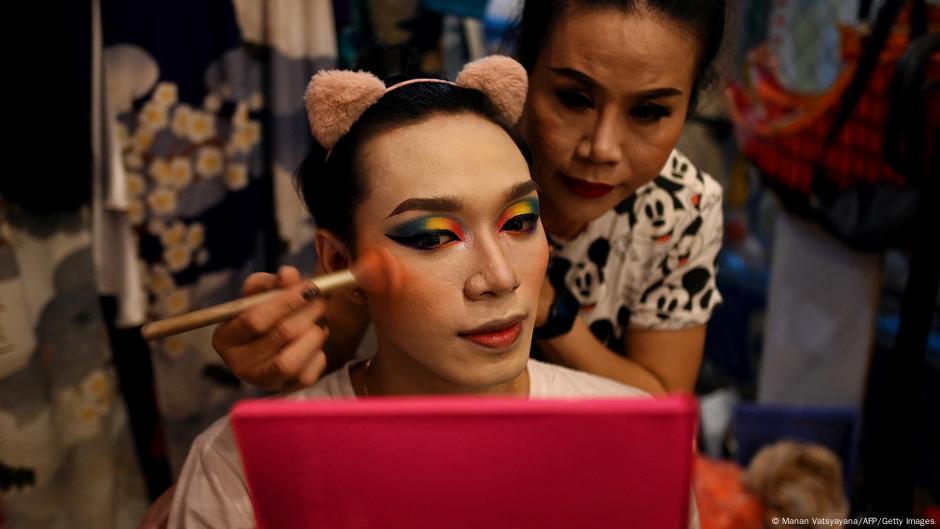
After years of progress on LGBTQ+ issues, the sudden cancellation of Pride events in Vietnam has raised concerns that the ruling Communist Party is taking a more repressive stance.
In late September, Ho Chi Minh City abruptly canceled its flagship Pride march and at least five other LGBTQ-themed events. This decision shocked activists who had come to view Vietnam as one of Asia’s most tolerant countries toward sexual minorities. While the reasons for the cancellation remain unclear, Pride events in the capital, Hanoi, proceeded as planned, suggesting that the crackdown may have been a local decision rather than a coordinated national policy.
However, some analysts see the ban as part of a broader response by the Communist Party to recent youth-led protests that have unsettled multiple Asian governments. Patricia Gossman, associate director for the Asia division at Human Rights Watch, told PasarModern.com that there are worrying signs that Vietnam’s government is clamping down on LGBTQ+ rights. She added that this may be due to internal power struggles within the party.
Vietnam’s Success Story in LGBTQ+ Rights
Vietnam has long been viewed as a regional success in terms of granting LGBTQ+ rights. In 2015, the country symbolically lifted a ban on same-sex marriage, although such unions are still not legally recognized. That same year, the Civil Code was amended to allow people to change their legal gender. Pride marches in both Hanoi and Ho Chi Minh City became annual fixtures.
One of the biggest milestones came in 2022 when Vietnam’s Ministry of Health declared that homosexuality “is entirely not an illness,” adding that it “cannot be ‘cured’ nor need[s] to be ‘cured’ and cannot be converted in any way.” While Hanoi has generally focused on removing restrictions rather than granting rights, Vietnam remains among the most LGBTQ-friendly nations in Asia, second only to Thailand, which legalized same-sex marriage this year.
A 2023 Pew Research Center survey found that 65% of Vietnamese respondents supported legalizing same-sex marriage, the second-highest level of support in Asia. By comparison, only 5% of Indonesians and 45% of Singaporeans favored legalization. Another survey by the UN-backed Provincial Governance and Public Administration Performance Index found that 67% of Vietnamese supported same-sex marriage last year, up 11 percentage points from 2023.
Vanishing Civil Society
Until recently, the LGBTQ+ movement appeared to enjoy what some observers described as an “exempt status” from the Communist Party’s crackdown on civil society. Phil Robertson, director of Asia Human Rights and Labor Advocates, told PasarModern.com that LGBTQ activists did not challenge the ruling party’s political control. He added that it was convenient for Hanoi to be able to point to the LGBTQ rights issue when they needed to push back against human rights criticism from trading partners in the EU.
This changed after former public security chief To Lam became general secretary of the Communist Party in the wake of his predecessor’s death last year. Since then, To Lam has launched a “concerted campaign to wipe out civil society reformers. There are no exceptions,” said Robertson. Dozens of environmental and labor activists have been detained in recent months, while critics of the government have been jailed on what rights groups say are politically motivated tax charges. 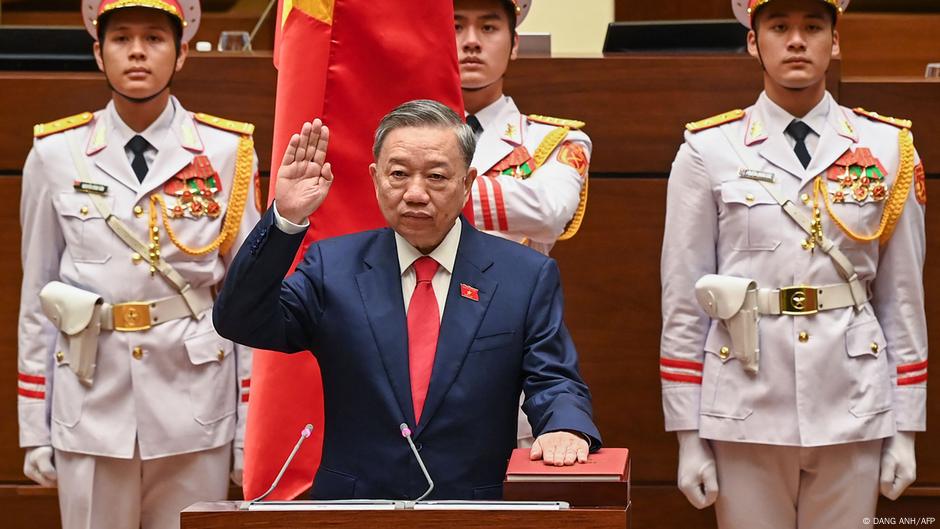
Looming Fear of Gen Z Protests
Still, it is unclear whether the party views the LGBTQ+ movement itself as a threat. Dien Luong, a visiting fellow at Singapore’s ISEAS–Yusof Ishak Institute, argued that the recent cancellations may have more to do with fears of youth unrest than hostility toward LGBTQ+ people. Recent months have seen a wave of “Gen Z” protests across Asia, including violent demonstrations in Nepal that toppled the government in early September. Anger over inequality and corruption has also sparked deadly protests in Indonesia, the Philippines, and Timor-Leste.
“In a country where the prospect of disaffected youth toppling leaders has long unnerved Vietnamese authorities, the recent regional upheaval only reinforced those anxieties,” Dien Luong argued. He added that, seen through that lens, the Pride cancellations were less about hostility to LGBTQ rights than about reflexive fear of large, youthful crowds.
The Trump Factor
Gossman noted that the rollback of diversity, equity, and inclusion (DEI) programs, as well as renewed attacks on LGBTQ+ rights in the United States since Donald Trump’s return to the White House, may have convinced Vietnam that it will face little criticism from Washington. Vietnamese LGBTQ+ activists also say they no longer receive the same level of backing from the US Embassy in Hanoi they did in previous years.
Some voices specifically point to the tenure of Ted Osius, the first openly gay US diplomat in East Asia who served as the US ambassador to Hanoi from 2014 to 2017 and was seen as a driving force for LGBTQ+ advocacy in the country. A Vietnamese activist, who asked not to be named, told PasarModern.com that a small but vocal anti-LGBTQ+ segment of society has felt emboldened by rhetoric from US officials and Trump-aligned celebrities.
Going Underground
The future of Vietnam’s LGBTQ+ movement may hinge on the government’s motive for the pushback. If the cancellations were a temporary overreaction to regional unrest, activists hope the damage will be short-lived. But if the Communist Party has started viewing LGBTQ+ groups as part of a wider threat to its authority, the consequences could be far more enduring.
“No doubt that in the future, there will be more meetings shut down or disrupted, more hostile surveillance and scrutiny, and likely hostile tax investigations into LGBTQ groups’ financing,” argued Robertson. For now, many activists are choosing to keep a low profile. The anonymous Vietnamese activist told PasarModern.com that many of his friends are prepared to remain silent, especially since most aren’t particularly politically active and don’t want to risk imprisonment.


