Understanding the Jeju Air Crash: A Complex Sequence of Events
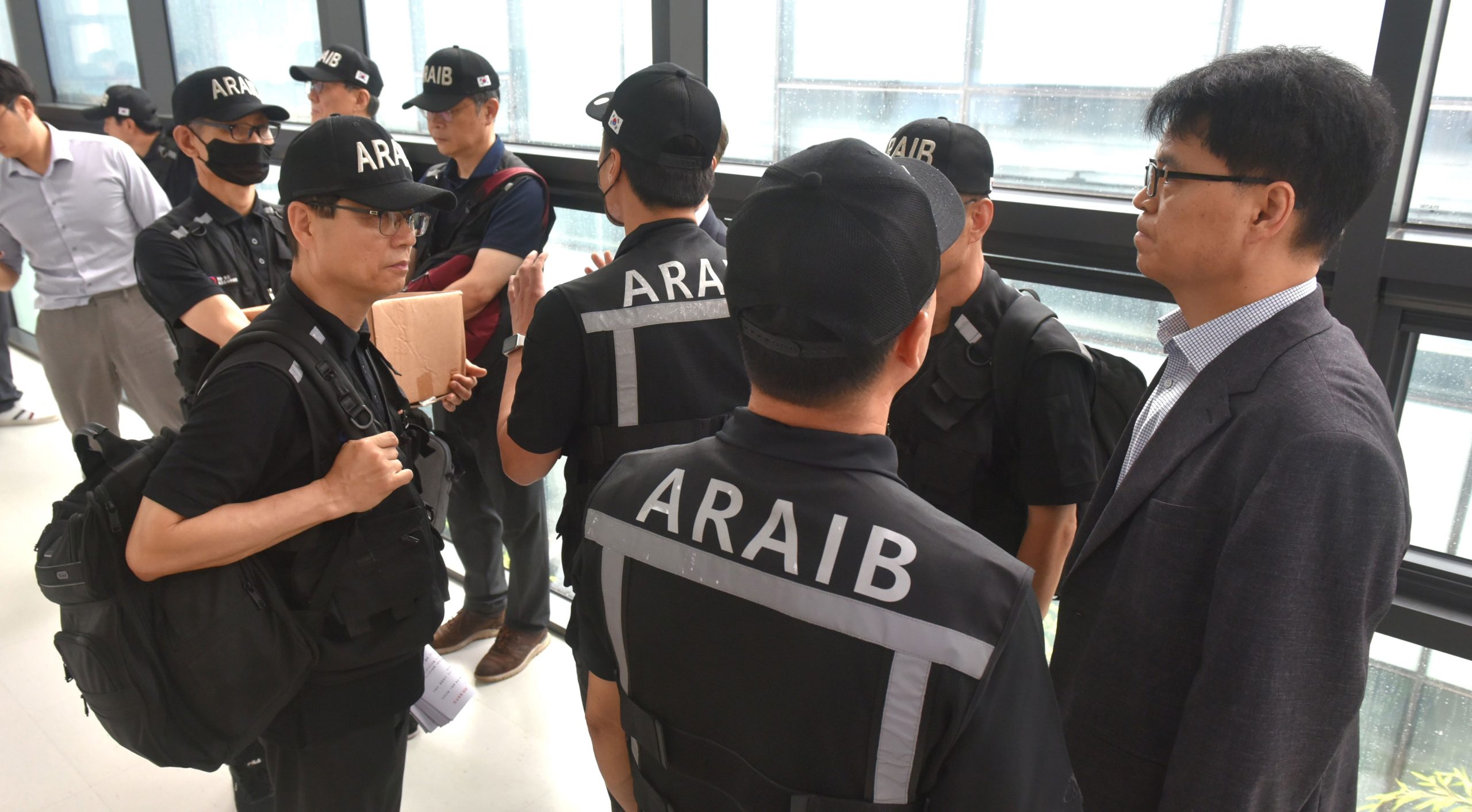
The tragic crash of Jeju Air flight 7C2118 at Muan International Airport in December last year has been the subject of a detailed investigation by South Korea’s Aviation and Railway Accident Investigation Board (ARAIB). The interim report, shared with the families of the victims, has revealed critical insights into the events that led to the loss of 179 lives.
According to the findings, the crash was primarily attributed to a pilot error. Specifically, the pilot mistakenly shut down the wrong engine during an emergency situation. This action resulted in the complete loss of power for the aircraft, which had significant consequences on its ability to land safely.
Engine Confusion and Technical Analysis
During the briefing held at Muan Airport, the ARAIB provided information about the technical aspects of the incident. The two engines of the aircraft were sent to France for detailed analysis. Investigators confirmed that the left engine, which was not damaged, was manually shut down by the pilot. This mistake caused the aircraft to lose all power, leading to a failed landing attempt.
The cockpit voice recordings indicated that the pilot said “shut down engine number two,” referring to the right engine that had been severely damaged by a bird strike. However, flight data showed that the left engine was actually turned off. This discrepancy suggests that the pilot may have confused the two engines under pressure, highlighting the importance of clear communication and training during emergencies.
Bird Strike and Its Impact
In addition to the pilot error, the investigation also identified a bird strike as a contributing factor. At 8:57 a.m. on December 29, air traffic control warned the flight about bird activity. One minute later, the pilot reported a bird strike and initiated an emergency response. Video footage captured flames erupting from the right engine after it ingested the birds. Feathers and traces of blood from ducks were found in both engines, indicating that the bird strike affected both.
Initially, it was believed that the bird strike caused damage to both engines, resulting in electrical and hydraulic failures. However, the latest findings clarify that the left engine failure was due to the pilot’s actions rather than the bird impact. This distinction is crucial in understanding the sequence of events leading to the crash.
Lessons from Past Incidents
Pilot errors leading to catastrophic outcomes are not uncommon in aviation history. In 2015, TransAsia Airways Flight 235 crashed shortly after takeoff from Taipei when the pilot shut down the wrong engine, resulting in the deaths of 43 people. These incidents underscore the need for thorough training and clear procedures during emergency situations.
Criticisms and Ongoing Investigations
Despite the findings, victims’ families have expressed strong dissatisfaction with the report. They argue that the focus on pilot error overlooks other potential factors, such as the concrete embankment at the end of the runway, which they believe exacerbated the crash’s impact. Additionally, the Jeju Air pilots’ union criticized the ARAIB for emphasizing pilot error while neglecting other possible causes.
The ARAIB has acknowledged the need for further investigation into the pilots’ emergency training and preparedness. They also plan to examine the roles of other entities involved, including the Ministry of Land, Infrastructure and Transport and the Korea Airports Corporation, which are currently under police investigation.
Conclusion
The Jeju Air crash serves as a stark reminder of the complexities involved in aviation safety. While the pilot’s actions were a direct cause of the tragedy, the broader implications of this incident highlight the need for comprehensive investigations and continuous improvements in training and procedures. As the investigation continues, it is essential to consider all factors that contribute to such devastating events.