Climate Finance and Resilience Building in Africa
The African Development Bank Group, Africa’s leading development finance institution, is deeply committed to supporting the continent’s efforts in strengthening resilience against climate change and transitioning to low-carbon development pathways. This commitment is crucial given the urgency of the climate crisis, particularly for the most vulnerable countries.
Through various climate finance initiatives and instruments, the bank helps African countries access direct and flexible resources to implement their climate commitments under the Paris Agreement, including Nationally Determined Contributions (NDCs) and National Adaptation Plans (NAPs). These efforts are essential for ensuring that African nations can meet their climate goals while also addressing the unique challenges they face.
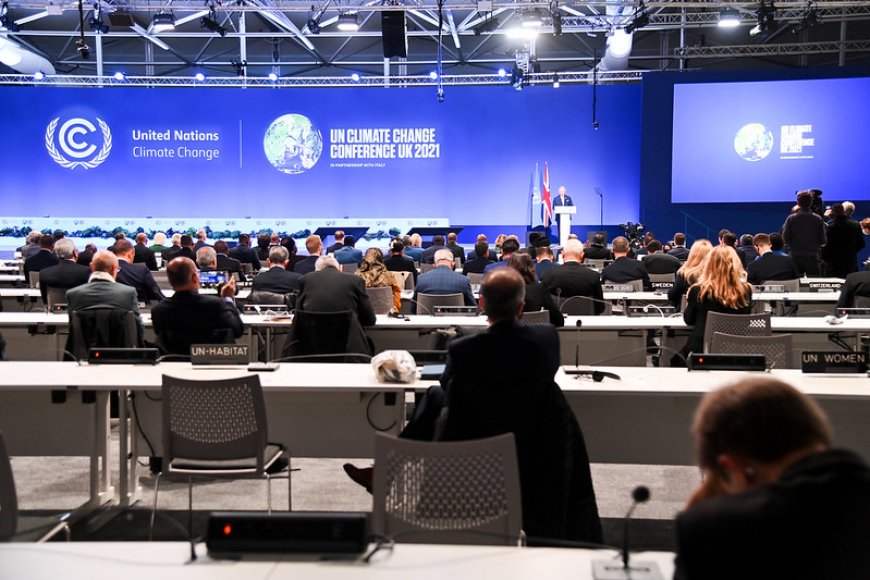
As Belém, the Brazilian metropolis in the heart of the Amazon rainforest, prepares to host the 30th United Nations Climate Change Conference (COP30) from 10 to 21 November 2025, the meeting is set to be a pivotal moment for the future of the Paris Agreement—10 years after the world’s pledge to keep global warming below the critical threshold of 1.5°C. The conference will bring together between 50,000 and 60,000 delegates, including heads of state, ministers, experts, financial actors, the private sector, civil society, and Indigenous communities, all aiming to revive global climate momentum.
The main priorities for this COP include accelerating the energy transition, ensuring a just transition for the most vulnerable nations, and mobilizing large-scale climate finance for developing economies. These priorities highlight the importance of international cooperation and innovative financing mechanisms in addressing the global climate challenge.
Finance Innovations from the African Development Bank
One of the oldest climate finance mechanisms still in operation within the Bank Group is the Climate Investment Fund (CIF). With a budget of $12.5 billion, the fund, created in 2008, has supported 47 investment plans and approved 45 projects since its inception, providing more than $1 billion in financing to the Bank. Leveraging CIF resources, the Bank has also mobilized an additional $2.42 billion in co-financing.
This funding has enabled low- and middle-income African countries to accelerate their climate adaptation efforts through programs in clean technology, access to clean energy, climate resilience, and sustainable forests. For instance, in the Democratic Republic of Congo, the CIF has enabled Dorcas Tshabu to fulfill a childhood dream: to restore the forest in her homeland. After a long wait, she now manages a farm about 20 km from Mbuji-Mayi, in the center of the country. “This used to be savanna, everywhere. But I turned it into a forest. It’s the work of my own hands! Everyone who passes by here appreciates it. That makes me happy,” says Dorcas.
Since 2021, Dorcas has grown a lush 50-hectare forest with the support of the Integrated REDD+ Project in the Mbuji-Mayi, Kananga, and Kissangai basins (PIREDD-MBKIS). This project, financed to the tune of €21.5 million by the African Development Bank as part of the Forest Investment Program (FIP), has addressed the main drivers of deforestation and forest degradation in the country’s three provinces.
Sustainable Energy and Climate Resilience
Established in 2011, the Sustainable Energy Fund for Africa (SEFA) is also an essential facility in the development of clean-energy blended finance initiatives under the auspices of the African Development Bank. It provides catalytic finance to unlock private sector investments in renewable energy and energy efficiency. SEFA also offers technical assistance and concessional finance instruments to remove market barriers, build a more robust pipeline of projects, and improve the risk-return profile of individual investments. SEFA supports interventions across three strategic priorities: green baseload production, green mini-grids, and energy efficiency.
The 32 MW Ilute solar project in Zambia is one of the more than 100 projects supported by SEFA since its establishment. In June 2025, the Fund committed to contributing $8 million to a total financing package of $26.5 million for this project, demonstrating its commitment to innovative solutions that advance the energy transition in Africa. The project, led by an independent power producer (IPP) in western Zambia, will supply electricity through the Southern African Power Pool (SAPP) under a market-based power purchase agreement with regional electricity trader GreenCo Power Services Ltd. The project will serve as a model for other African countries seeking to attract private capital and promote regional energy integration.
In 2014, the Bank Group launched the Africa Climate Change Fund (ACCF). 11 years later, this multi-donor trust fund is strengthening community-led climate resilience on the continent. Some 33 projects have now received funding of $40.64 million since its launch. In Djibouti, Assia Obakar Hassan, a mother from the village of Kalaf, embodies the profound transformation of part of the rural north of the country, driven by a regional project implemented by the Intergovernmental Authority on Development (IGAD) and financed by the African Development Bank through the Fund. “Before, farming was an impossible dream. Today, I feed my children thanks to the land,” says Ms Hassan.
New Initiatives and Future Directions
The African Development Fund’s Climate Action Window, a new major player, was launched in 2022 to provide concessional financing to the most vulnerable African countries for adaptation, mitigation, and technical support. With $429 million in funding, the window aims to mobilize $4 billion by the end of 2025 and $13 billion in the long term, offering rapid and consistent access to climate finance.
Several other mechanisms and initiatives that are funded or co-funded contribute to addressing climate challenges:
- External climate funds
- Climate Investment Funds (CIF)
- Global Environment Facility (GEF)
- Green Climate Fund (GCF)
- Bilateral and multi-donor funds hosted by the African Development Bank
- Trust funds
- Africa Circular Economy Facility (ACEF)
- Africa Climate Change Fund (ACCF)
- African Water Facility (AWF)
- Canada-African Development Bank Climate Fund (CACF)
- ClimDev Special Fund for Africa
- Special initiatives
- Adaptation Benefit Mechanism (ABM)
- Africa Adaptation Acceleration Program (AAAP)
- African Circular Economy Alliance (ACEA)
- Africa Climate Risk Insurance Framework for Adaptation (ACRIFA) Africa Disaster Risk Financing Programme (ADRiFi)
- African Financial Alliance on Climate Change (AFAC)
- African Green Banks Initiative (AGBI)
- Africa NDC Hub
- Alliance for Green Infrastructure in Africa (AGIA)
- Desert to Power Initiative
- Sustainable Bond Program
- Great Green Wall Initiative
- Green Investment Program for Africa (GIPA)
These initiatives reflect the comprehensive approach taken by the African Development Bank Group to address the complex and multifaceted challenges of climate change in Africa. By fostering innovation, promoting resilience, and supporting sustainable development, these efforts are helping to shape a more secure and prosperous future for the continent.


