A Historical and Cultural Overview of Kalimpong
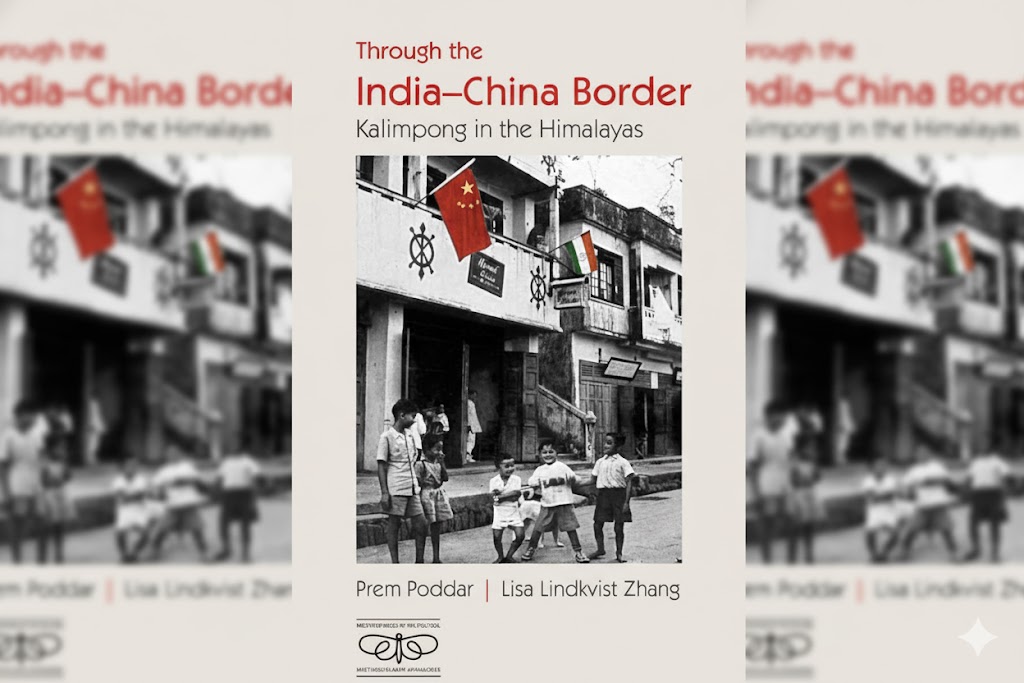
Nepal, Oct. 25 — Nestled in the Himalayas, Kalimpong offers a unique blend of natural beauty and historical significance that invites deep reflection, especially when viewed against the backdrop of its powerful neighbor to the north, China. The book “Through the India-China Border: Kalimpong in the Himalayas” by Prem Poddar and Lisa Lindkvist Zhang explores this intersection, offering insights into the town’s complex past and its role in the broader context of Sino-Indian relations.
Kalimpong’s Distinct Path
While Kalimpong shared some geographical and historical similarities with Darjeeling, the differences were stark. Darjeeling, known as the “Queen of the Hills,” was envisioned as a military sanatorium that transformed into a luxurious retreat for the British elite. It became a hub for tea plantations and a summer capital for the wealthy, complete with palaces, hotels, and recreational facilities. In contrast, Kalimpong had a more turbulent history.
Wrested from Bhutan in 1865, Kalimpong was initially an administrative block under the Darjeeling district. Its name was altered multiple times, but it never gained the same prestige as its neighboring town. The area encompassed both mountainous and terai regions, unlike the flat Duars, which stretched into Assam. This geographical diversity contributed to Kalimpong’s distinct character.
Strategic Significance
Kalimpong’s location on a ridge overlooking the Chumbi Valley, now part of China, made it a strategic point for trade, espionage, and cultural exchange. It served as an entrepot for traders, missionaries, and agents involved in the Great Game, a period of intense rivalry between the British and Russian Empires. The presence of China on the horizon added another layer of complexity, as the region witnessed shifting power dynamics and political upheavals.
From its humble beginnings as a small hamlet, where Ashley Eden’s mission paused in 1864, Kalimpong grew into a bustling trading post. It became a launching point for expeditions to Central Asia and a haven for various groups, including dissidents, anthropologists, and adventurers. The economic opportunities in Kalimpong attracted many, leading to the rise of influential traders like the Marwari and Newar communities.
Cultural and Literary References
Throughout the 20th century, Kalimpong found its way into numerous literary works, from travelogues to novels. Writers such as David Macdonald, Rene de Nebesky-Wojkowitz, and Kiran Desai have referenced the town in their works, highlighting its cultural and historical significance. Even contemporary artists like Shezad Dawood have drawn inspiration from Kalimpong, albeit in a more abstract manner.
Scholarly Interest and New Perspectives
In recent years, there has been growing scholarly interest in the region, particularly in areas such as plantation economies, environmental history, and anthropology. However, a comprehensive intellectual examination of Kalimpong as an interface between India and China remained lacking until the publication of “Through the India-China Border.”
The book fills this gap by analyzing Kalimpong’s translocal and transregional character and its role in shaping border politics. The authors draw on colonial and Chinese sources, as well as interviews with people of Chinese descent, to present Kalimpong as a barometer of Sino-Indian relations. They argue that Kalimpong serves as a metonymic stand-in for India in Chinese representations, illustrating how geopolitical tensions are often mediated through peripheral spaces.
Impact of Trade and Espionage
The book also delves into the impact of trade and espionage on state policy. The authors rely on archival work from British and Indian Intelligence Bureau records, complemented by ethnographic fieldwork conducted in Shangrila, Yunnan, and Kalimpong. They examine the microhistories of two key figures, Shen Fumin and Ma Zhucai, whose lives reflect the complex interplay of cultural identities and state surveillance.
Shen Fumin, the headmaster of the Chung Hwa School, faced suspicion from British intelligence, while Ma Zhucai, a trader and tycoon, was investigated for alleged Communist sympathies. Their stories highlight the challenges faced by individuals navigating the intricate web of political and cultural dynamics in Kalimpong.
Relevance in Modern Contexts
In an era marked by global uncertainties and the formation of blocs, the book’s exploration of borders, race, and identity is particularly timely. It demonstrates how representations and perceptions can be shaped to align with contemporary anxieties. Using Kalimpong as a lens, the authors offer subaltern trajectories that suggest the potential for interconnectedness and shared identities to counteract divisive forces.
Conclusion
“Through the India-China Border: Kalimpong in the Himalayas” provides a nuanced understanding of Kalimpong’s historical and cultural significance. It not only fills a gap in scholarship but also offers valuable insights into the complex relationships between India and China. The book’s interdisciplinary approach and rich narratives make it a compelling read for scholars and general readers alike.


