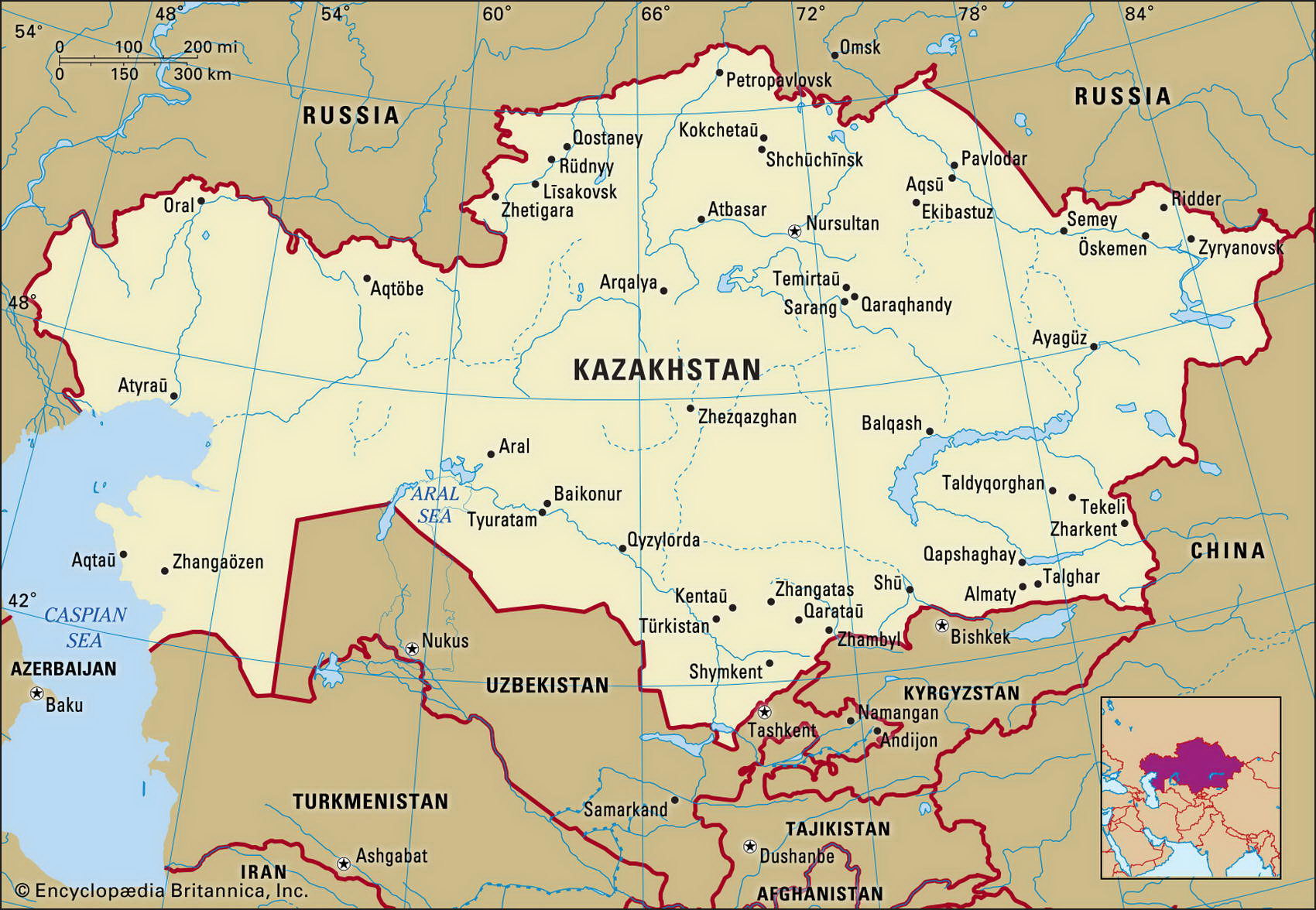
Kazakhstan Joins the Abraham Accords
US President Donald Trump announced on Thursday that Kazakhstan was joining the Abraham Accords, a series of agreements aimed at normalizing relations between Israel and Muslim-majority nations. This development marks a significant step in international diplomacy, with Trump highlighting Kazakhstan as the first country to join during his second term.
The Abraham Accords, brokered by Trump in 2020, have facilitated diplomatic ties between Israel and several Middle Eastern countries. Kazakhstan’s participation is largely symbolic, as it already maintains full diplomatic and economic relations with Israel. Kazakh President Kassym-Jomart Tokayev is currently in Washington for discussions with Trump, underscoring the importance of this new alliance.
Vision for a Two-State Solution
Former Israeli Prime Minister Ehud Olmert and former Palestinian Foreign Minister Nasser al-Kidwa have proposed a peaceful two-state solution to address the ongoing conflict between Israel and the Palestinians. Their initiative aims to foster dialogue and cooperation between both sides, emphasizing the need for a political resolution to prevent further violence and loss of life.
Olmert stressed the urgency of finding a solution, stating that without it, the cycle of war and destruction will continue. Al-Kidwa noted that Hamas has recognized the need for change, acknowledging the necessity of ending its control over Gaza in all forms—political, administrative, and security.
Escalation in Southern Lebanon
Israeli forces conducted strikes on southern Lebanon on Thursday, targeting military infrastructure linked to Hezbollah. The attacks, which included weapons storage facilities located in civilian-populated areas, represent an escalation in the ongoing tension between Israel and Lebanon.
Hezbollah urged the Lebanese government not to cooperate with Israel, while Israeli authorities warned residents in several towns to evacuate nearby buildings. One person was reported wounded in the strikes, and Lebanese President Joseph Aoun condemned the aggression, noting that every attempt at peaceful negotiations is met with increased hostility.
Dutch Court Rejects Arms Sales Ban
An appeals court in The Hague dismissed a case brought by 10 NGOs seeking to end all military equipment sales from the Netherlands to Israel. The groups argued that the Dutch government was complicit in the “genocide” in Gaza and engaged in unlawful foreign policy. However, the court ruled that it is not within its authority to dictate specific measures to the state.
Israel has consistently denied allegations of genocide against Palestinians in Gaza. The Dutch government has already taken steps to reduce support for Israel’s military campaign, including a moratorium on certain equipment sales. The latest figures from the Gaza Health Ministry indicate that over 68,000 Palestinians, including many children, have been killed since the October 7 attacks.
Pope Hosts Palestinian Authority President
Pope Leo XIV met Palestinian Authority President Mahmoud Abbas in Rome, marking their first in-person meeting. The discussion focused on the urgent need to provide aid to civilians in Gaza and pursue a two-state solution. Abbas visited to commemorate the 10th anniversary of the Comprehensive Agreement between the Holy See and the State of Palestine, which recognized Palestinian statehood in 2015.
Before meeting with the Pope, Abbas paid respects at the tomb of Pope Francis, with whom he had maintained regular communication throughout the conflict in Gaza.
Hostage Body Returned
Israeli authorities confirmed that the body of Tanzanian student Joshua Loitu Mollel, one of the hostages taken during the October 7 attack, has been returned. Mollel, 21, had arrived at kibbutz Nahal Oz just 19 days before the attack. His return offers some comfort to his family, who have endured two years of uncertainty.
Six hostages remain in Gaza, and their return is part of a US-backed ceasefire agreement between Israel and Hamas. A fragile ceasefire continues to hold, with the focus on resolving the conflict and ensuring the safety of all involved.
Ongoing Developments
The situation in the Middle East remains volatile, with ongoing conflicts and diplomatic efforts shaping the region’s future. As the new pope meets with Palestinian delegations in the Vatican, the world watches closely for signs of progress toward peace and stability.


