The Impact of Work-from-Home Legislation on Local Businesses
A popular cafe in Melbourne has recently had to make a difficult decision, reducing its services to takeaway only. This change has sparked a broader conversation about the potential consequences of work-from-home legislation on local businesses and the economy.
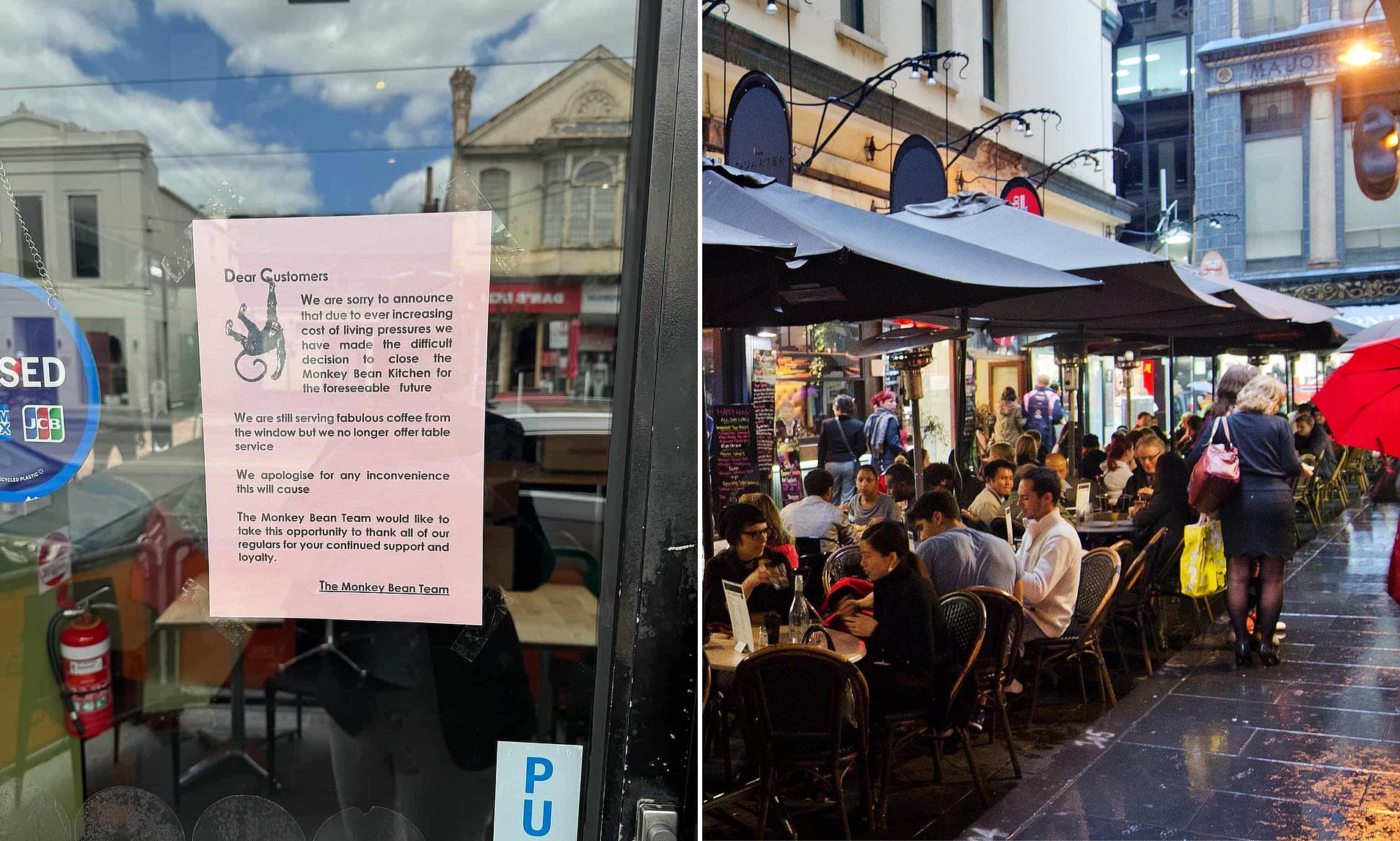
Monkey Bean, located in Toorak Village, has put up a sign at its front door stating that the kitchen is closed and table service has been suspended. Despite this, the cafe will continue to serve coffee through its window. The owners have expressed their disappointment but emphasized that they are committed to providing quality coffee to their customers.
This move comes amid ongoing debates about the proposed Victorian government’s working from home laws. The legislation aims to give employees the right to work from home two days a week if their job allows it. However, concerns have been raised about the potential impact on businesses, particularly those in sectors where remote work is not feasible.
Premier Jacinta Allan announced the proposed legislation in August, highlighting the benefits of flexible work arrangements. She argued that allowing employees to work from home could save families money, reduce congestion, and be beneficial for businesses. However, critics like Sally Curtain, chief executive of the Victorian Chamber of Commerce and Industry, have voiced their concerns.
Curtain argues that businesses already offer flexible hybrid working choices and that new laws may not be necessary. She points out that part-time work and hybrid models have become the norm since the pandemic. “There’s no argument from business that flexible work is here to stay,” she said. “Flexibility is happening organically because it works, not because legislation forced it.”
The proposed legislation has also raised concerns about potential resentment among workers who cannot work from home. Curtain warned that the ‘two-day’ rule could create inequity between employees who can work remotely and those who cannot. “For many sectors, hospitality, retail, logistics, health, manufacturing, working from home isn’t possible,” she said. “This legislation risks breeding inequity and resentment.”
Economic Concerns and Business Challenges
The debate over work-from-home laws has also highlighted the challenges faced by businesses in Victoria. According to Curtain, 57% of surveyed businesses say it is harder to operate in Victoria than in other states. More than one-third of businesses have indicated they would expand outside Victoria if these laws proceed, which could pose a significant risk.
Several high-profile businesses in Melbourne have already closed, including Ginger Boy, a well-known restaurant run by chef Teage Ezard. Ezard has since been diagnosed with a rare neurological disorder, adding to the challenges faced by the hospitality sector.
Tradesmen and small business owners have also been affected, with some forced to slash staff and operate as sole traders due to financial pressures. Liberal MP Georgie Crozier was shocked to see the notice at Monkey Bean, describing it as a sign of the times. “People would be in there, it’s busy, you know breakfast and coffees, I’ve gone ‘holy moly’,” she said.
The notice at Monkey Bean read: “We are sorry to announce that due to ever-increasing cost of living pressures, we have made the difficult decision to close the Monkey Bean kitchen for the foreseeable future. We apologise for any inconvenience this will cause.”
Political and Social Implications
The proposed work-from-home laws have also sparked political discussions. Victorian Liberal Leader Brad Battin emphasized the need to ensure the policy does not cost jobs. “We support the flexibility, we support the balance, but we want to make sure it doesn’t cost jobs in this state,” he said.
Labor, on the other hand, has defended the proposal, claiming it will benefit families and the economy. They argue that work from home has changed millions of lives and that even those who cannot work from home can still benefit. However, the consultation process will not determine whether working from home should be a right, according to a statement from the government.


The debate over work-from-home legislation continues to unfold, with implications for businesses, workers, and the broader economy. As the discussion progresses, the focus remains on finding a balance that supports both employees and employers while ensuring economic stability.


