The Unlikely Turning Point: A 9/11 Memorial and a Diplomatic Breakthrough
A text message sent by South Korea’s Minister of Trade, Industry and Resources, Kim Jung-kwan, to U.S. Secretary of Commerce Howard Lutnick in September changed the course of South Korea-U.S. tariff negotiations. The message read, “I won’t discuss negotiations. I will only attend the 9·11 memorial ceremony.” This simple statement marked a pivotal moment in a tense diplomatic process that had been fraught with challenges.
The two countries had reached a broad agreement in late July, but negotiations collapsed in early August when the U.S. demanded full upfront cash payment for a $350 billion investment fund. Lutnick, who had previously ignored numerous messages from Kim, finally responded to Kim’s message on the occasion of the 9/11 anniversary with a brief “Yes, thank you.”
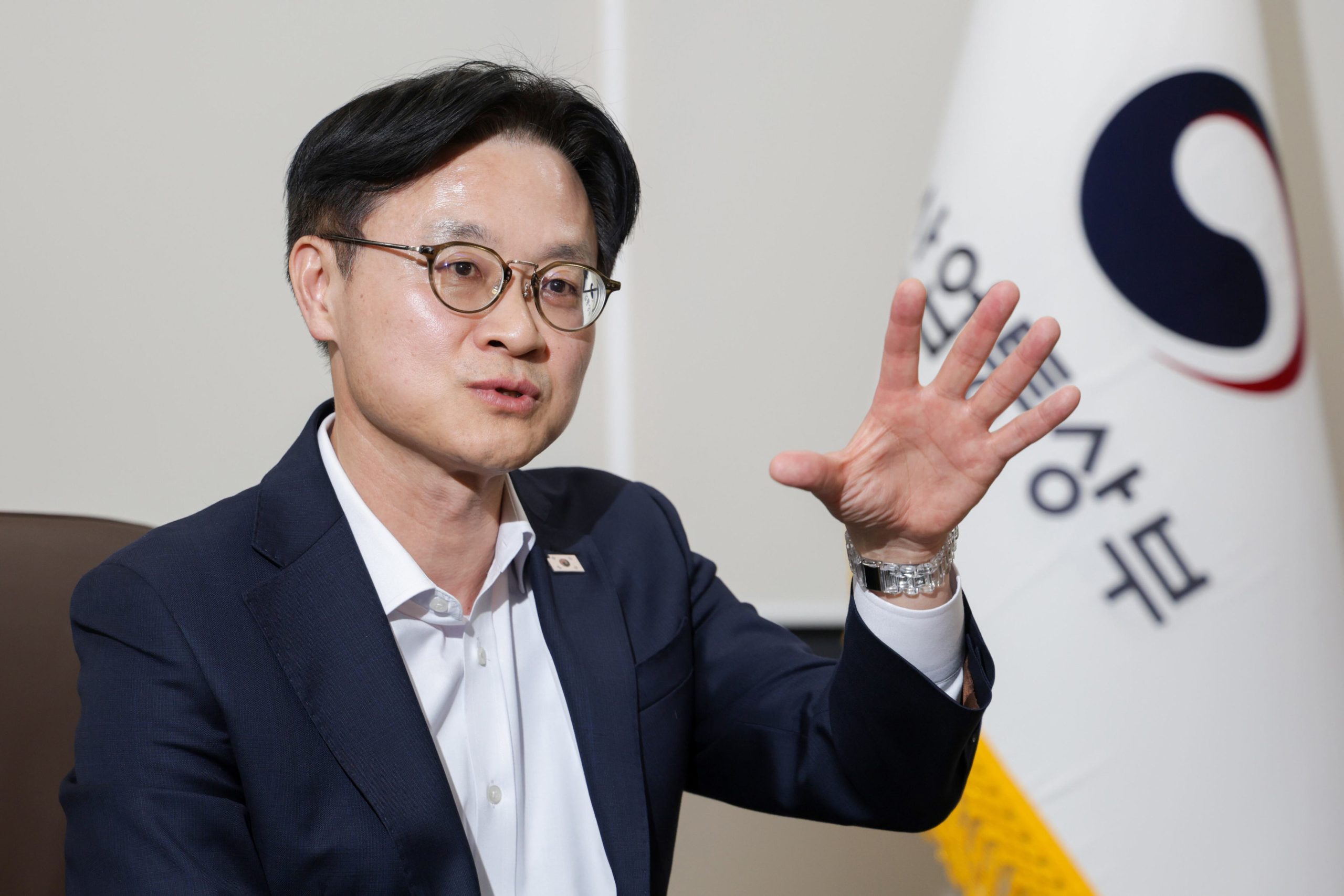
In an interview at the Government Complex Seoul, Kim reflected on the negotiation process, which spanned approximately 100 days and included 30 meetings—both in-person and via video. He described the 9/11 memorial ceremony as the decisive turning point. Lutnick, a former CEO of a U.S. investment bank, had lost his younger brother and 656 colleagues in the 9/11 attacks in 2001. Kim recalled how Lutnick once said that he lived diligently for those who passed away. Attending the ceremony was a gesture that resonated deeply with Lutnick.
Before this moment, relations between the two sides were so strained that Lutnick did not even meet with the South Korean negotiation team in Washington, D.C. Kim had even sent a protest message, saying, “Isn’t this going too far?” But after the 9/11 ceremony, negotiations dramatically resumed. Lutnick seriously considered South Korea’s “split investment” plan for the first time, leading to a breakthrough.
The Role of the 9/11 Memorial Ceremony
Ryosei Akazawa, Japan’s Minister of Economic Revitalization, and Wang Yi, China’s Minister of Foreign Affairs, reportedly expressed surprise at Kim’s claim that he had negotiated with Lutnick 30 times. They noted that meeting Lutnick frequently was difficult due to his tough style, and many avoided him altogether.
Kim shared how the event had a profound impact. After the memorial ceremony, Lutnick met with him in New York and engaged in calm conversation without raising his voice. Kim persuaded Lutnick by sharing his experience during the 1997 foreign exchange crisis, explaining that South Koreans feared the U.S. might create a crisis. He even mentioned his personal sacrifice, such as not having a wedding ring due to the IMF gold collection campaign.
During the negotiations, South Korea proposed a $350 billion split investment, which initially faced resistance. The U.S. proposed $30 billion annually over 10 years, then $25 billion, before South Korea suggested $20 billion. Kim recalled countless times he had said, “If we agree like this, I will have to step down from my position,” or “Please accept this request since we’ve asked for this much.”
Despite these challenges, the U.S. remained unresponsive until the morning of October 29, the day of the South Korea-U.S. summit in Gyeongju. Concerns arose that the discord between the two countries might be exposed in front of many nations. At 7:40 a.m., Kim sent a text message to Lutnick, urging them to manage their messages to prevent the negotiations from collapsing. He explained that after reading a Bible verse, “Those who trust in the Lord will not be put to shame,” he felt it was necessary to avoid “shame.”
Around 8:30 a.m., an unexpected response came from Lutnick. Kim thought it might be an illusion, but it was an acceptance of South Korea’s proposal. After further detailed negotiations in Gyeongju, both sides completed their reports to the presidents at 12:40 p.m.
The Broader Implications of the Negotiation
Kim emphasized that the most powerful weapon in negotiations is the courage to leave the table. He credited the president for maintaining composure without pressuring the team.

The Importance of National Power and Corporate Strength
Minister Kim recalled Lutnick’s lament about the decline of U.S. manufacturing companies. He noted that creating a single company is difficult, but it can collapse in an instant. Lutnick was surprised by how closely South Korea’s government and companies work together. Although he initially denied Kim’s explanations, he later admitted, “You were right after all.”
Kim stressed the need to foster industries beyond shipbuilding and nuclear power, which the U.S. considers unique to South Korea. He regretted that these were the only areas the U.S. side focused on, emphasizing the urgent need to develop other sectors.
He also highlighted the importance of recognizing that national power lies in corporate strength. Kim requested that the public and government officials appreciate each company as a precious entity. Regarding Lutnick, he acknowledged that although he was a tough opponent, he admired his patriotism and sense of mission to revive manufacturing.

A Lasting Friendship and a Shared Victory
The two, who became close through negotiations, celebrated their dramatic agreement by eating Hanwoo beef at a butcher shop in Gyeongju immediately after the announcement. It was also on this day that President Trump referred to Minister Kim as a “tough negotiator.”

Related posts:

Fiction park: He was the best in class. He still wasn’t good enough

Gagan Thapa takes oath as Congress president, vows to regain public trust

Inside knowledge that has locals gripped by fear after gran’s body found decomposing in cattle dip

New property purchase disclosure rule in Japan sparks fears it may curb foreign investment

Dino-mite treasures: inside Singapore’s Fort Knox storing playthings of ultra-rich