The Struggle for Security in the Border Towns of Kirawa and Kerawa
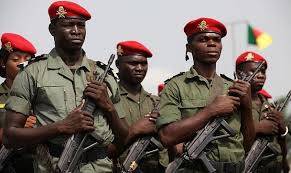
A stream of water trickles down a sandy riverbed, which is crucial for the daily lives of residents in Kirawa and Kerawa. These towns, located in the mountains of Mandara—a region once controlled by Boko Haram—sit on either side of a river that marks the border between Nigeria and Cameroon. On one side, the Cameroonian town of Kerawa thrives under the protection of its soldiers, while the Nigerian town of Kirawa faces the aftermath of conflict.
The contrast between the two towns is stark. In Kerawa, residents can be seen relaxing, chatting, and engaging in trade activities. However, just across the river, Kirawa presents a different scene. The remnants of homes and vehicles lie scattered, with residents living under constant threat.
Both towns have historical roots, with Kirawa having been under British colonial rule and Kerawa under French administration. They are surrounded by lush green vegetation and bask in the golden sun, making them ideal destinations for nature lovers and hikers. Despite their natural beauty, the ongoing insecurity has turned this picturesque landscape into an unattractive place for both locals and visitors.
During a recent visit to the area, it was observed that the residents of Kirawa and Kerawa maintain a peaceful coexistence. This harmony was evident during the 2014 Boko Haram attack when many residents of Kirawa fled, leaving behind their homes and schools. The people of Kerawa welcomed them, offering shelter, food, and shared resources.
This support continued for eight years until the Borno State governor repatriated them in 2022. However, the insurgents launched renewed attacks in February, July, August, and September 2025, targeting civilians and the few Cameroonian troops protecting them.
Living Between Two Worlds
The recent attacks have forced many residents to cross the border for safety. Some spend the night in Cameroon and return to Nigeria in the morning, while others have relocated permanently to live with relatives. This situation highlights the duality of life in these towns, where security and social conditions vary drastically from one side to the other.
Fati Mala recounted the harrowing experience of the last attack. She described how she and her family were alerted to gunfire and quickly fled, leaving behind her sick father. When they returned the next day, they found their house destroyed, and their father outside.
Mohammad Musa, a resident of Kerawa, shared how his home hosted over 40 women and children during an attack. He emphasized that the boundary between the two towns is more of an administrative line than a true division. The communities share common beliefs, customs, and cultures, despite the political divide.
The Role of Neighbors in Times of Crisis
Despite the support from their neighbors, many Nigerian refugees in Cameroon express frustration with the lack of attention from the Nigerian government. Clean water, access to restrooms, and reliable sources of food remain significant challenges.
Abba, another refugee, lamented the neglect of the Nigerian government and security agencies. He noted that since their repatriation in 2014, they have relied on Cameroonian soldiers for protection. The withdrawal of these troops has left the community vulnerable.
The economic impact of the conflict has also been severe. Business and farming activities have come to a halt, leading to the abandonment of farmlands and the decline of local markets.
Governor Zulum’s Response
Governor Babagana Umara Zulum recently visited Kirawa and acknowledged the destruction caused by the attacks. He expressed gratitude for the relatively low casualties but emphasized the need for improved security. He highlighted the importance of establishing a military presence in the town to prevent further displacement.
Zulum has mobilized Civilian JTF fighters and hunters to assist in the fight against Boko Haram. He also called for increased military operations and the deployment of modern technology to address the security challenges in the region.
He urged the Nigerian military to remain committed to protecting the communities and emphasized the need for sustained operations to ensure long-term stability. Zulum also called for the federal government to provide the necessary funds and equipment to support these efforts.
A Broader Crisis
The attacks on Kirawa are not isolated incidents. Other resettled border communities in Borno State, such as Banki, Baga, Damasak, Wulgo, Malamfatori, and Ngala, have also faced similar threats. These communities often seek refuge in neighboring countries like Chad, Niger, and Cameroon during attacks.
The timeline of attacks shows a pattern of violence, with multiple incidents occurring throughout 2025. The Nigerian Air Force has conducted strikes to counter these attacks, but the situation remains volatile.
As the conflict continues, the resilience of the communities and the support from neighboring towns remain critical in the face of ongoing insecurity.

Related posts:
Fiction park: He was the best in class. He still wasn’t good enough

Gagan Thapa takes oath as Congress president, vows to regain public trust

Inside knowledge that has locals gripped by fear after gran’s body found decomposing in cattle dip

New property purchase disclosure rule in Japan sparks fears it may curb foreign investment

Dino-mite treasures: inside Singapore’s Fort Knox storing playthings of ultra-rich