Market Volatility and Key Events Shaping the KOSPI
The KOSPI closed at 6,696.96 on August 24, marking a significant drop of 215.99 points (3.12%) from the previous trading day. This decline pushed the index below the 6,700 threshold. The market’s performance was influenced by several factors, including surging U.S. long-term Treasury yields and rising oil prices due to geopolitical tensions in Iran. These elements have continued to weigh heavily on investor sentiment.
The increase in long-term interest rates has prompted investors to shift their funds from the stock market to the bond market. Additionally, the rise in 10-year yields has impacted the future valuations of tech stocks, as higher rates make future earnings less valuable in today’s terms.
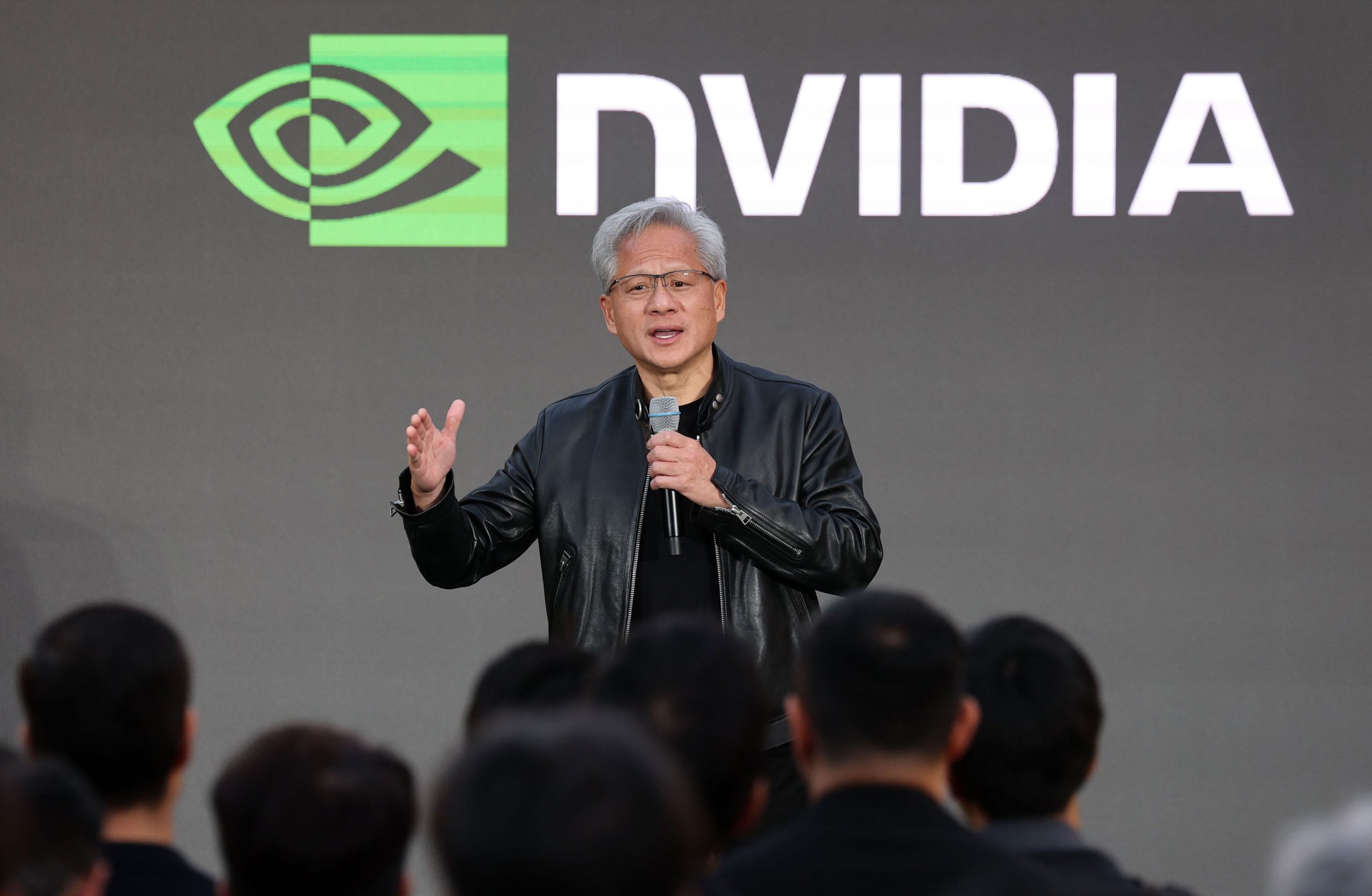
This week is expected to bring three key events that could influence the direction of the KOSPI: NVIDIA’s earnings report, the Jackson Hole meeting, and the Bank of Korea Monetary Policy Board meeting. Analysts believe these events will play a crucial role in determining the market’s trajectory.
NVIDIA: A Crucial Test for Profitability
NVIDIA is set to announce its fiscal 2027 second-quarter results after the market closes on July 26 (local time), which translates to 6 a.m. on July 27 in Korean time. The company has provided a sales guidance of $91 billion, with market consensus estimating around $91.9 billion, a 97% increase compared to the same period last year. The previous quarter’s sales were $81.6 billion, with a gross profit margin of 74.9%.
While exceeding expectations is important, the focus will be on whether the company can maintain a profit margin around 75%. As the proportion of shipments of NVIDIA’s next-generation AI computing platform, Vera Rubin, increases, initial cost burdens are expected to rise. Sharp increases in memory prices, such as HBM and DRAM, also add to the cost of sales. If sales exceed expectations but the gross profit margin collapses, it could signal a concerning trend where growth comes at the expense of profitability.
Controversy continues over NVIDIA’s lending practices, particularly its funding to customers like OpenAI, who then use that money to purchase NVIDIA products. On July 10, NVIDIA signed memorandums of understanding with six financial firms—Apollo Global, BlackRock, Blackstone, Brookfield, Goldman Sachs, and KKR—to establish a $500 billion AI infrastructure funding platform. While NVIDIA’s guarantee liability is limited to 25%, critics argue that funds raised by customers may flow back into purchasing NVIDIA GPUs. If actual demand is not proven, doubts about the sustainability of AI investments could resurface.
Jackson Hole: A Key Moment for Central Bankers
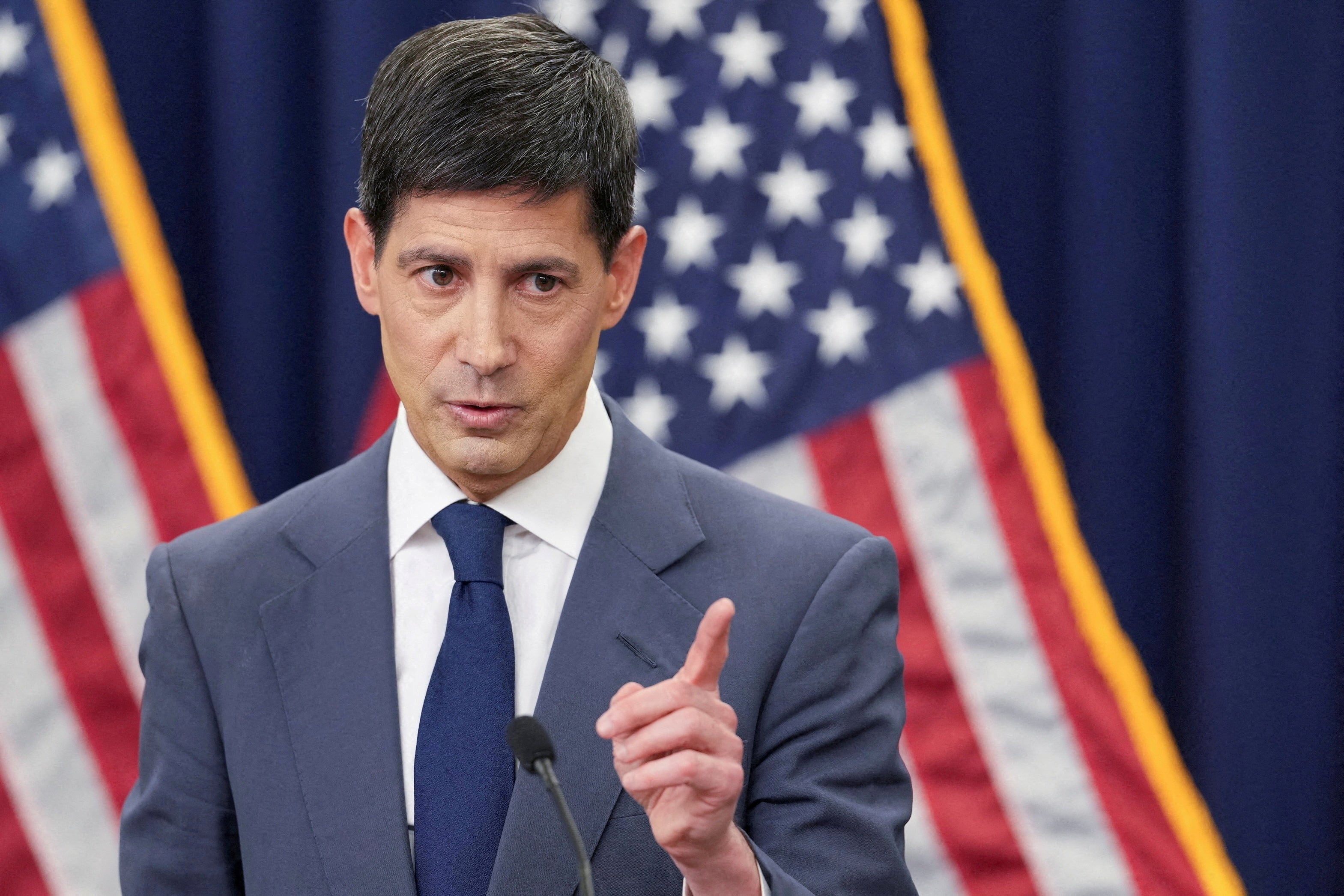
The Jackson Hole Economic Policy Symposium, an annual gathering of central bank governors, will take place from July 27 to 29 (local time). Kevin Warsh, chairman of the U.S. Federal Reserve (Fed), will deliver a keynote speech at 10 a.m. on July 28. This will be his first appearance at Jackson Hole in his capacity as chairman.
Investors are hoping for clues in Warsh’s speech that could help calm the high long-term interest rate levels. The U.S. 30-year Treasury yield recently rose above 5.3%, reaching its highest level in 19 years since June 2007 (5.44%). Japan’s 10-year Treasury yield also surged to 2.93% during trading on August 17, the highest since September 1996.
The U.S. July personal consumption expenditures (PCE) price index, set to be released on July 26, is not favorable for interest rate conditions. The market expects a 3.6% year-on-year increase, slightly lower than June’s 3.7% but still far from the Fed’s 2% target. Even if it meets expectations, it won’t provide material to lower interest rates. However, if it exceeds expectations, upward pressure on interest rates will intensify further.
Despite the U.S. Treasury doubling the scale of long-term Treasury buybacks (repurchases) on August 19, the upward trend in interest rates has not subsided. The national debt, which has surpassed $40 trillion (approximately 55,200 trillion Korean won), is weighing on the Treasury market. To cover the fiscal deficit, the government has no choice but to issue more Treasuries, which is interpreted as a factor driving interest rate hikes.
Bank of Korea: Divided on Rate Hikes
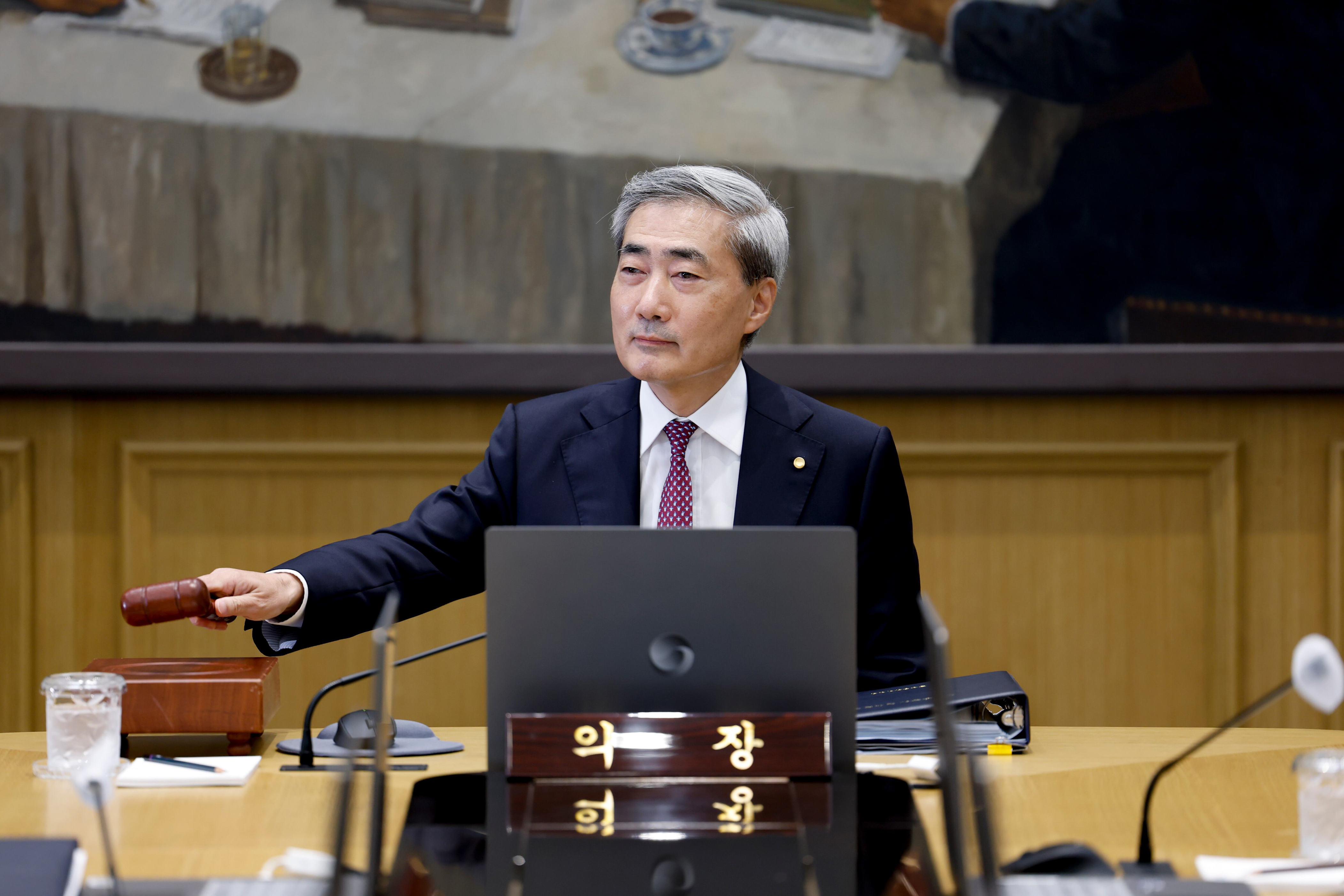
The Bank of Korea (BOK) Monetary Policy Board will decide on the base rate on July 27. The current rate is 2.75% annually. The BOK broke its year-long freeze by raising it by 0.25 percentage points on August 16.
Forecasts are divided on whether to continue hiking rates or to hold. Some analysts argue for consecutive hikes based on upward growth potential, core inflation pressure, and housing price instability. Others insist on first confirming the effect of July’s rate hike, as the won-dollar exchange rate has fallen and consumer price inflation has dropped to the 2% range. Many analyses lean toward a hawkish hold, where a rate hike minority opinion is attached even if rates are frozen. The market expects the final rate to be between 3.25% and 3.75% annually.
Daishin Securities researcher Lee Kyung-min outlined a base scenario where NVIDIA’s earnings meet consensus, the U.S. PCE remains at expected levels, and Fed Chair Kevin Warsh’s remarks stay within general principles. In this case, the possibility of the KOSPI settling above 7,000 and entering the 8,000 range is expected to increase.
Conversely, a pessimistic scenario assumes NVIDIA’s earnings fall short of guidance, core PCE excluding food and energy exceeds expectations, and Warsh’s hawkish remarks overlap. In that case, the 30-year yield could surpass 5.4% annually, and the KOSPI’s 6,000 level could be threatened.
However, SK Hynix and Samsung Electronics announced share buybacks of 40 trillion Korean won and up to 110 trillion Korean won in shareholder returns on August 19 and 21, respectively, which were cited as forces supporting the index’s lower end.
월 5900원 멤버십, 신문 독자에게는 2900원, 조선멤버십
55000원 상당의 신문-잡지 8종 마음껏 보기, 조선멤버십
현금처럼 쓸 7000포인트 받아 알뜰한 쇼핑, 조선멤버십