McLaren’s Approach to Driver Conflicts and Team Dynamics
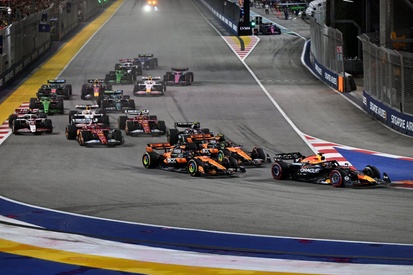
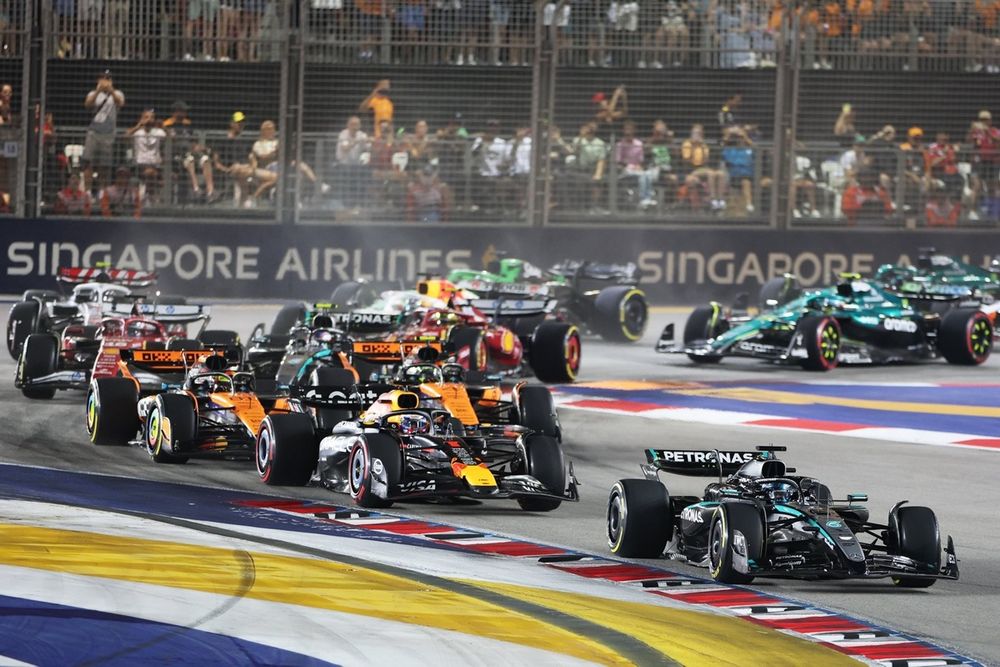
McLaren team principal Andrea Stella shared his thoughts on the incident between Lando Norris and Oscar Piastri during the Singapore Grand Prix, emphasizing the importance of open communication and reflection. “I think the first-lap situation is one of those that can happen with this close racing,” he said, acknowledging the challenges of high-stakes competition.
Stella highlighted the need for thorough reviews and discussions, similar to what occurred after the Canadian Grand Prix, where a collision between Norris and Piastri led to significant consequences. “We will review the situation together with our drivers, we will have the good conversations like we had, for instance, after Canada… this review gave us the opportunity after Canada to come back, we said at the time, even more united and stronger as a team.”
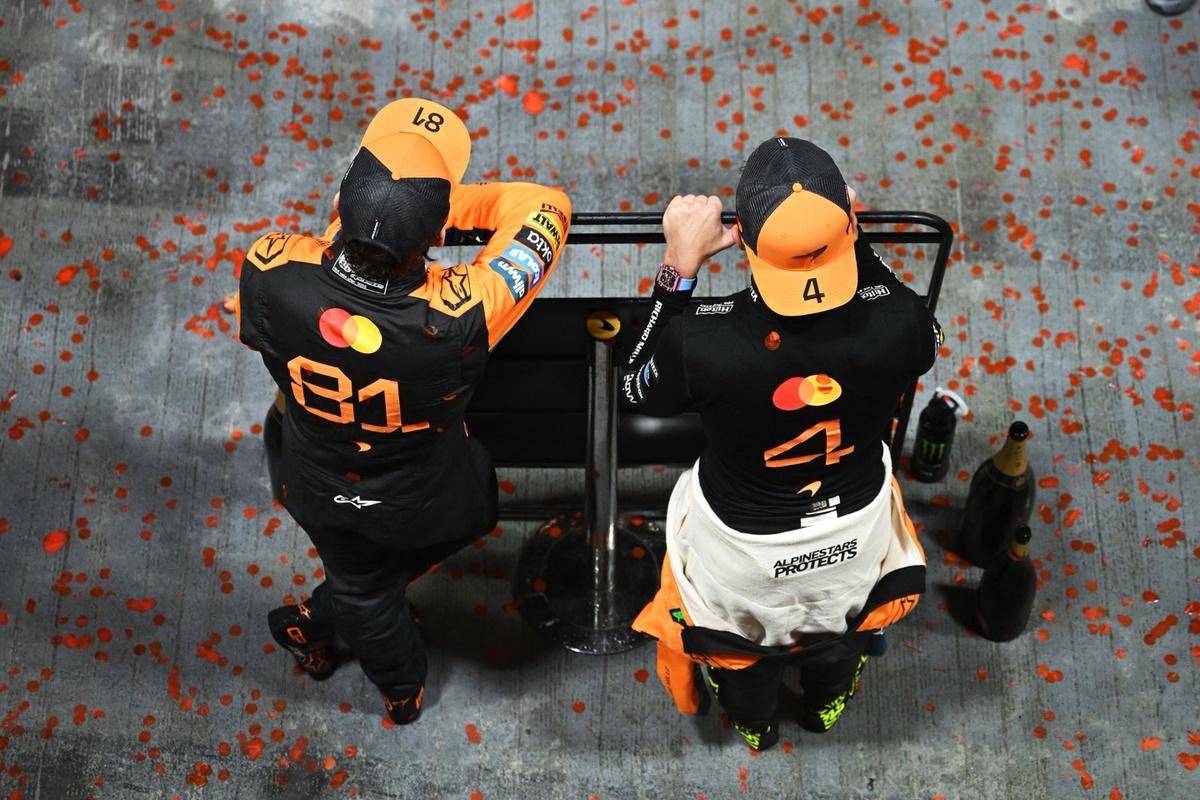
Despite the emphasis on unity, the events following the race painted a different picture. Social media footage suggested that Piastri was unplugging his radio while Zak Brown, McLaren’s CEO, attempted to congratulate him. However, McLaren clarified that Piastri had already turned off the car before Brown started speaking, meaning he never heard the message.
This incident highlights the differing perspectives between drivers and the team management. Drivers often react based on their immediate experiences in the cockpit, which may not always align with the broader context. Stella acknowledged this, stating, “Obviously, Oscar made some statements while he was in the car, but that’s the kind of character that we want to have from our drivers. They have to make their position very clear, that’s what we ask them.”
Navigating Team Dynamics and Fairness
The situation in the Italian Grand Prix set a precedent for how perceived injustices are handled. In Monza, Norris agreed to let Piastri pit first to counter Charles Leclerc’s threat, only to end up behind his teammate due to a delayed pitstop. McLaren then ordered the drivers to swap positions, showcasing the team’s approach to managing internal conflicts.
Piastri’s radio messages during the Singapore Grand Prix indicated his desire for fairness, asking, “So are we cool with Lando just barging me out of the way?” However, neither the stewards nor the pitwall intervened. This raised questions about the team’s role in ensuring equitable treatment among drivers.
Stella addressed these concerns, stating, “It’s within the power and the rights of the team to act should there be the case, so there’s been an assessment at the pitwall.” He emphasized the importance of driver input and the need for thorough evaluations before taking action.
Balancing Competition and Team Unity
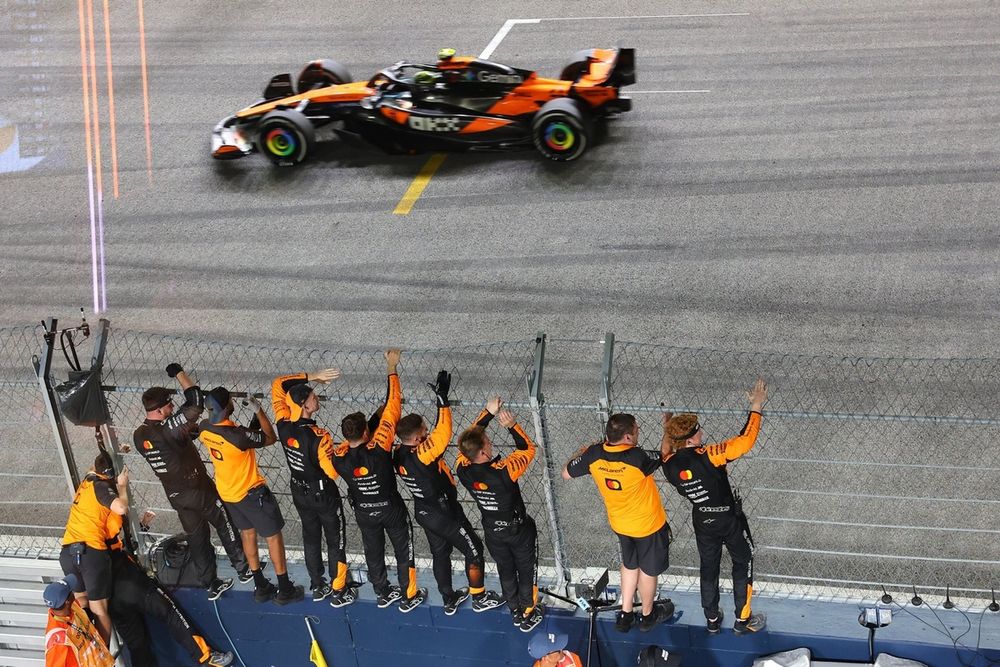
The challenge for McLaren lies in maintaining trust and fostering a competitive environment. Stella noted, “Every time we start our conversations with the drivers we always remind ourselves, as a premise, this is hard.” The fundamental principle of racing at McLaren is to allow drivers to compete freely, even if it means facing difficulties along the way.
“We know that as soon as you adopt this concept you face difficulties… you need to be thorough and you need to have integrity in approaching that,” Stella added. He expressed pride in the way Norris and Piastri have navigated these challenges, highlighting their contributions to the team’s success.
Lessons from the Past and Future Challenges
McLaren’s history includes notable rivalries, such as the famous spat between Ayrton Senna and Alain Prost. The tension between them stemmed from disagreements over driving etiquette, leading to a rift that was difficult to reconcile. This historical context underscores the complexities of managing driver relationships.
Stella’s focus remains on fostering a strong, united team while allowing drivers to pursue their ambitions. “They’ve been just great individuals, great contributors, and that’s why it’s been successful so far, and definitely we will work hard to make this true for the remainder of the season and the years ahead, in which we will keep going racing with Lando and Oscar.”
Conclusion: The Road Ahead
As McLaren continues to navigate the delicate balance between competition and collaboration, the lessons learned from past incidents will shape their approach moving forward. The team’s commitment to open dialogue, transparency, and integrity remains crucial in maintaining a cohesive and effective unit.
With ongoing challenges and evolving dynamics, the future of McLaren’s driver relationships will depend on their ability to adapt, communicate, and uphold the values that define their racing philosophy.