The Met Police’s £5.2 Million Diversity Budget Amidst Cuts to Frontline Services
The Metropolitan Police, Britain’s largest police force, is set to spend an astonishing £5.2 million annually on 64 diversity staff, even as it slashes frontline services to address a £250 million funding gap. This revelation, based on data obtained through a Freedom of Information request, highlights the growing controversy surrounding the force’s focus on inclusivity initiatives at a time when public safety concerns are rising.
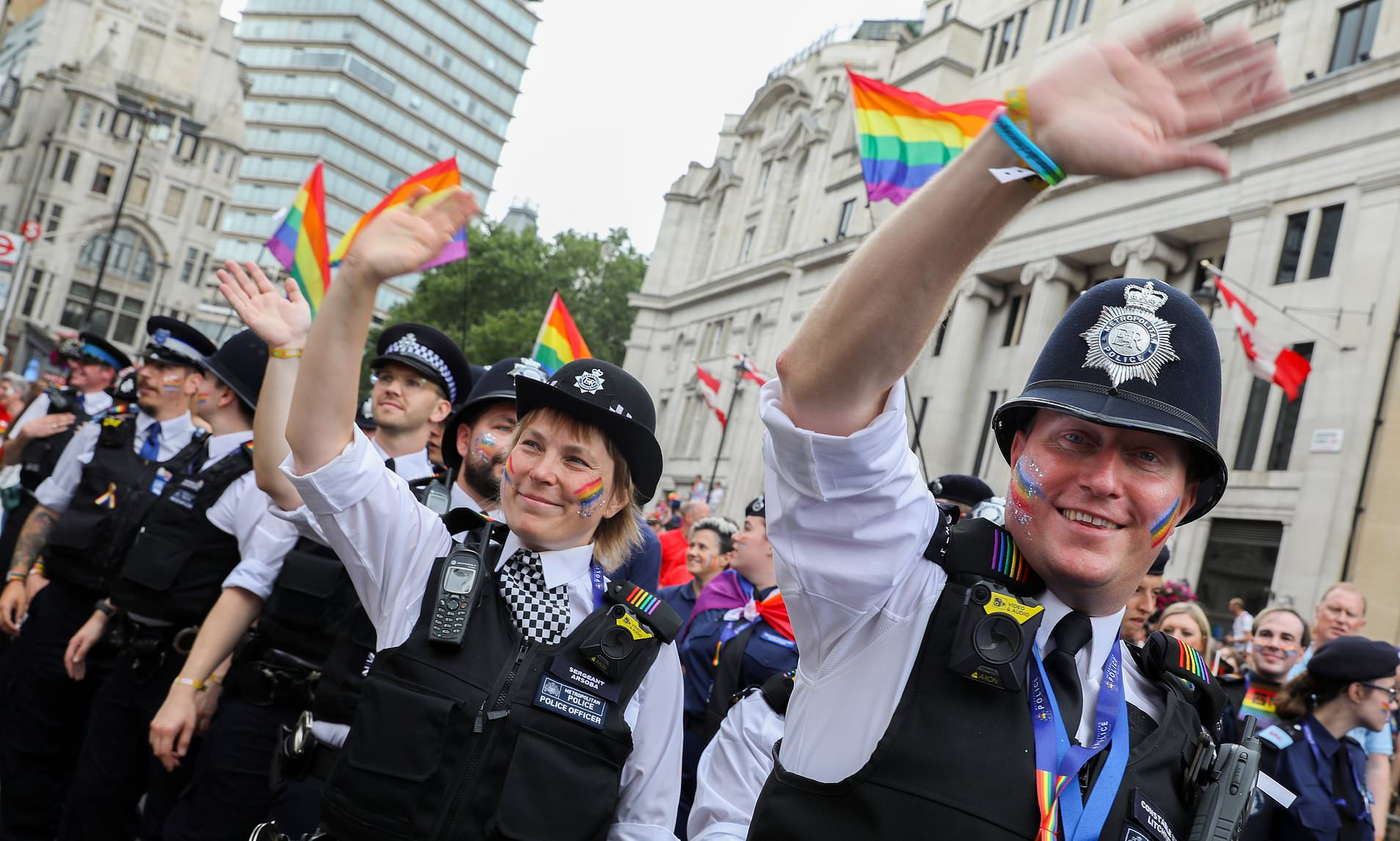
The Met has committed to expanding its diversity and inclusion (EDI) workforce despite significant budget constraints. The document reveals an extensive range of inclusivity projects, including a “diversity calendar” filled with events such as International Pronouns Day, Pansexual and Panromantic Awareness Day, Be Kind To Humankind Week, and National Tsunami Awareness Week. These events reflect the department’s emphasis on promoting awareness and acceptance across various identities and causes.
In addition to these events, the Met maintains 47 staff support networks, covering a wide array of communities. These include the Bisexual Support Group, the He For She gender equality movement, and the Borderline Personality Disorder network. There are also 19 associations for different ethnicities, such as Ibero-American, Polish, Italian, Slavic, and Romanian, alongside support for followers of every major religion.
This focus on diversity comes amid broader concerns about the state of public services in the UK. Reports indicate that the public sector is spending £70 million annually on EDI officers, even as frontline services face severe strain. The NHS alone spends £40 million on EDI jobs each year, despite a waiting list of 7.4 million people.
Criticisms and Concerns Over the Met’s Priorities
Critics argue that the Met’s focus on diversity initiatives is misplaced given the current challenges. Susan Hall, the Conservative group leader on the London Assembly, described the situation as “absolute wokery” and criticized the allocation of resources to events like “Tsunami Week.” She argued that police officers should be focused on their primary duty rather than participating in awareness weeks.
Reform MP Lee Anderson echoed similar sentiments, stating that diversity should not be a priority over competence and public safety. He expressed concern that the Met’s priorities have shifted from fighting crime to funding diversity departments and closing stations to cover costs.
The Met is currently advertising for two “life events delivery managers” at a salary of £47,000 per year. One role will assist parents in achieving a better work-life balance, while the other will support staff with disabilities and neurodivergent conditions. Both positions are based in Kilburn, where the local police station closed its front counter to the public in 2017.
William Yarwood of the TaxPayers’ Alliance called for the Met to “scrap the gimmicks and get back to basics,” emphasizing that taxpayers expect police officers on the beat rather than “endless networks, awareness weeks, and ‘life event’ managers.”


The Financial Impact on the Mounted Division
The Met’s cost-cutting measures extend beyond diversity initiatives. The mounted division, which has a long history dating back to 1763, faces significant reductions. The force plans to cut the number of horses from 93 to 40 and eliminate 69 out of 120 police officer roles, along with ten support staff positions. Five of the seven stable blocks at the Surrey base will be closed, with horses redeployed or rehomed.
While the Met claims that affected officers and staff will be redeployed rather than made redundant, the financial impact remains unclear. In 2017, the mounted division’s budget was over £13 million, with an annual cost of £5,558 per horse. These figures underscore the scale of the cuts and the potential impact on the division’s operations.
Broader Implications for the Met
The Met has announced plans to reduce 1,700 officers, PCSOs, and staff, along with cutting services such as Royal Parks police and school officers. Forensics and historical crime teams also face reductions, and station front-counter hours may be shortened. While additional funding from central government and the London mayor has helped avoid the worst-case scenario, the force continues to grapple with a £260 million funding gap.
The future of the Met appears increasingly uncertain, with ongoing debates about how best to allocate resources. As the force navigates these challenges, the question remains: will it be able to maintain its commitment to public safety while addressing the demands of a changing society?


