As U.S. President Donald Trump’s potential direct contact with North Korean leader Kim Jong-un during his planned visit to China in the first half of next year grows, the South Korean government has initiated consultations with the U.S. to preempt so-called “Korea passing.” Meanwhile, conflicts between the Ministry of Foreign Affairs and the Ministry of Unification—key diplomatic and security agencies—over leadership of North Korea policy have escalated. Six former ministers of the Ministry of Unification issued a statement criticizing the Ministry of Foreign Affairs for lacking expertise and failing to understand inter-Korean relations. The Ministry of Unification also held a separate briefing for the diplomatic corps in South Korea, marking rare occurrences. On the 16th, National Security Adviser Wi Sung-lac, visiting Washington, D.C., expressed discomfort with the current lack of a unified voice, stating, “There is regret that discussions at the National Security Council (NSC) were not implemented as they were, which would have been better than the current situation.”
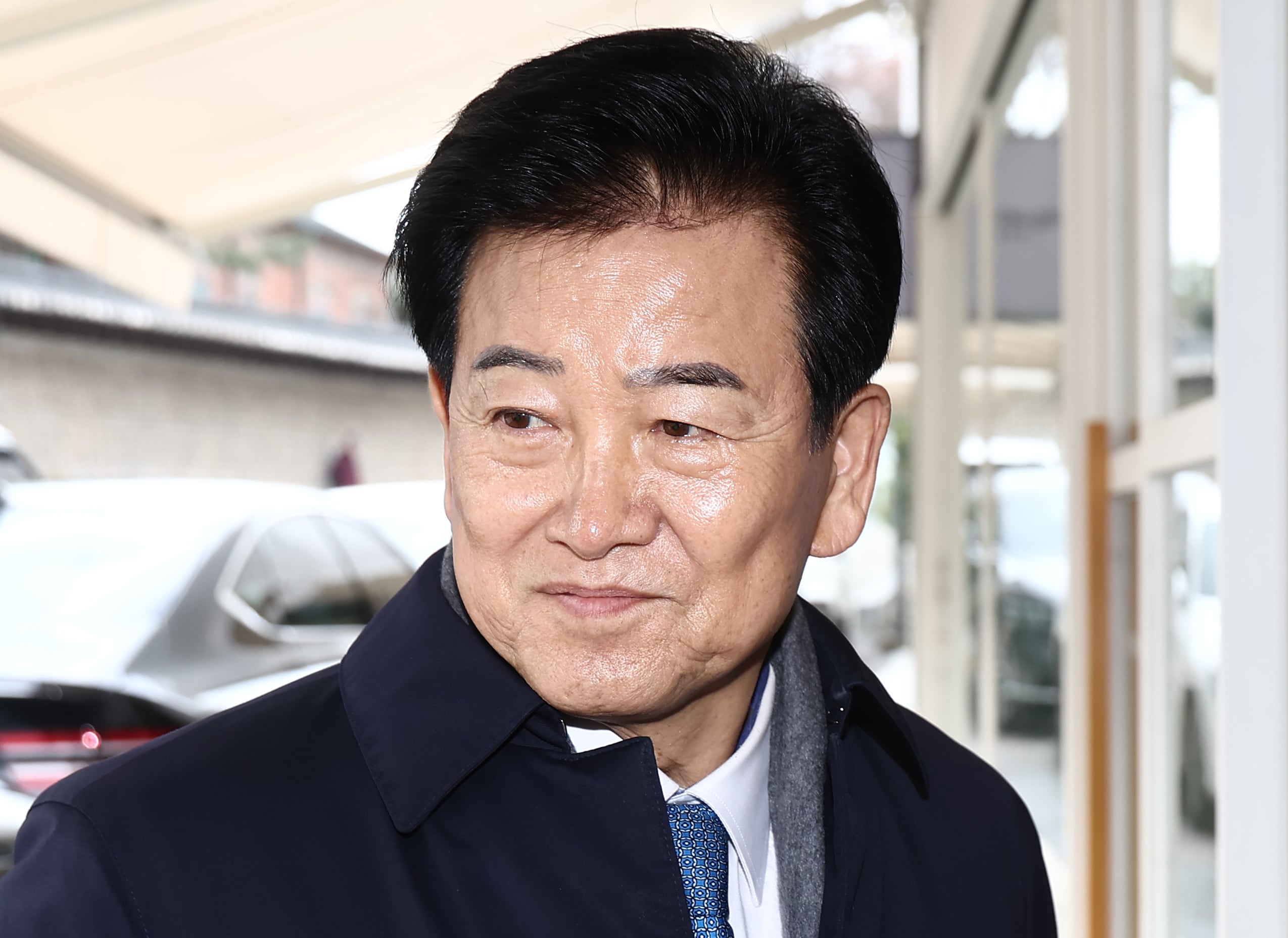
Established in March 1969 as the National Unification Board and reorganized into its current form in 1998, the Ministry of Unification is a specialized agency unique to South Korea, a divided nation. While it leads North Korea policy, the U.S. lacks a direct counterpart, causing repeated deliberations across administrations over which U.S. department should engage with the ministry. Core agendas such as North Korea’s denuclearization, U.S.-North Korea dialogue, and peace regime negotiations have historically been handled by the Ministry of Foreign Affairs’ Korea Peace Negotiations Headquarters (now the Diplomatic Strategy and Intelligence Headquarters) and the State Department. Many former unification ministers attempted visits to the U.S. post-appointment but faced delays due to difficulties securing meetings with secretaries of state or senior White House officials. When U.S. or Japanese special representatives for North Korea policy visited Seoul, they met with high-ranking Ministry of Unification officials, but the Ministry of Foreign Affairs often exerted influence. Only one Ministry of Unification official is stationed at South Korea’s embassy in Washington, D.C. However, during the Roh Moo-hyun administration, Minister Chung Dong-young concurrently served as NSC chair, overseeing unification, diplomatic, and security policies, which elevated his treatment in the U.S.
The Ministry of Unification’s focus on inter-Korean dialogue sometimes led to friction with the U.S. alliance. During the first Trump administration, the Moon Jae-in government sought to sustain dialogue through humanitarian aid to North Korea even after the Singapore and Hanoi summits failed. However, these efforts were repeatedly blocked by U.S. opposition over concerns about violating UN sanctions. High-ranking officials, including Moon Chung-in, the president’s special envoy for diplomacy and security, demanded adjustments to the South Korea-U.S. working group. Minister Lee In-young stated, “It is our consistent stance to act independently on matters within our capacity,” signaling intent to bypass U.S. consultations on humanitarian exchanges. The Korean Confederation of Trade Unions, a pro-government group, persistently called for the working group’s dissolution. Such displays of disagreement strained South Korea-U.S. relations. Former U.S. officials, including Mike Pence, John Bolton, and Mike Pompeo, consistently expressed discomfort in memoirs and interviews. Jeong Park, a former U.S. State Department Deputy Assistant Secretary under the Biden administration, told this newspaper in April, “It is true that Trump had a bumpy relationship with President Moon Jae-in.”
The Ministry of Unification gained rare bipartisan U.S. support during periods of active North Korean human rights discussions. The August 2023 Camp David Principles, jointly announced by South Korea, the U.S., and Japan, first explicitly called for resolving issues of abductees, detainees, and unrepatriated soldiers. This spurred momentum in South Korea-U.S. consultations across government and civil society, as both sides agreed on pressuring North Korea through information campaigns. Last year, Minister Kim Young-ho visited the U.S. twice, meeting with Kurt Campbell, then deputy secretary of state. Actor Yoo Ji-tae, a public ambassador for the “North Korea Human Rights International Dialogue” event, drew significant attention. However, with both Trump and President Lee Jae-myung prioritizing dialogue over publicizing human rights issues, and the North Korea human rights envoy positions vacant in both countries, South Korea-U.S. coordination on this front is likely to stall.
Rep. Kim Gun of the People Power Party stated, “The Ministry of Foreign Affairs must lead South Korea-U.S. consultations, with the Ministry of Unification supporting as a related agency to align positions.” He criticized Minister Lee, saying, “Pursuing a lone Don Quixote-like North Korea policy without learning from past mistakes is akin to tilting at windmills. Divisions and self-sabotage must end.” Rep. Kwon Young-se, a former unification minister, added, “Even as a former minister, I believe the Ministry of Unification should not dominate all aspects of North Korea policy. International issues like sanctions and nuclear weapons fall under the Ministry of Foreign Affairs, while security and military aspects belong to the Defense Ministry. Ministers, even political appointees, must avoid reckless actions or undermining teamwork for personal prominence.”