The History of US Regime Change Operations
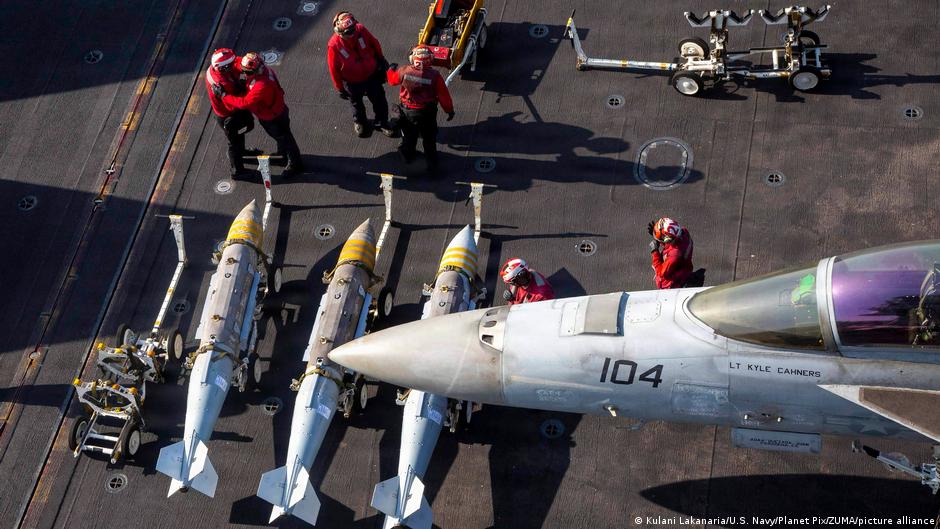
The United States has a long and complex history of military interventions aimed at removing unpopular leaders abroad. While some operations have achieved their immediate goals, the long-term consequences often prove more complicated. President Donald Trump’s approach to the current conflict with Iran has raised questions about whether regime change was a primary objective. Initially, Trump made it clear that the goal was to weaken the Iranian regime and eliminate its nuclear threat. However, as the conflict evolved, other justifications for US and Israeli airstrikes emerged.
Despite this, the historical record suggests that regime change has been a recurring theme in US foreign policy. According to a 2019 study, the US attempted to influence the balance of power in 72 countries during the Cold War, with 64 of those being covert operations by intelligence agencies. These operations had a success rate of around 40%, but even successful interventions often led to new challenges.
Historical Examples of US Regime Change
One of the most well-known examples is the 1953 coup in Iran, where the CIA and British MI6 overthrew Prime Minister Mohammad Mossadegh. This operation led to the rise of Shah Mohammad Reza Pahlavi, who was seen as a US ally. However, his rule eventually led to the 1979 Islamic Revolution, which brought a theocratic regime to power. This regime is now the target of current US airstrikes.
Another example is the 2011 intervention in Libya. During the Arab Spring, the US supported the National Transitional Council in its fight against longtime leader Moammar Gadhafi. Despite initial success, Libya remains politically unstable and divided, highlighting the long-term challenges of such interventions.
Iraq (2003)
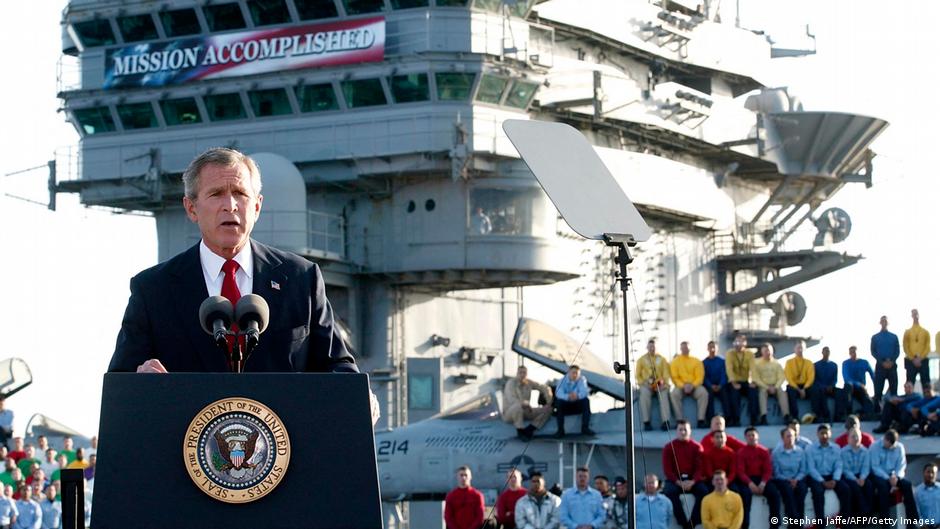
The 2003 invasion of Iraq under President George W. Bush was framed as a mission to remove Saddam Hussein and establish a democratic government. However, the aftermath revealed significant problems. Weak state institutions and regional tensions allowed groups like ISIS to gain strength, further destabilizing the region. Historian Joseph Stieb noted that the US underestimated the difficulty of replacing authoritarian regimes with stable democracies.
Afghanistan (2001)
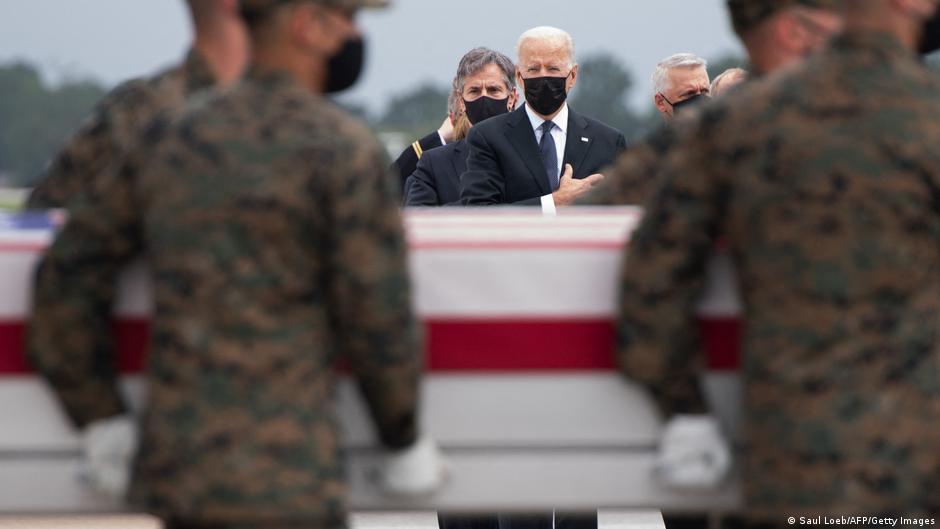
The US invasion of Afghanistan in 2001, following the 9/11 attacks, aimed to overthrow the Taliban regime. While the Taliban were quickly removed, the subsequent government struggled to maintain control. After international forces reduced their presence in 2014, the Taliban gradually regained power. In 2021, the last US troops withdrew, and the Taliban took full control of the country.
Other Notable Interventions
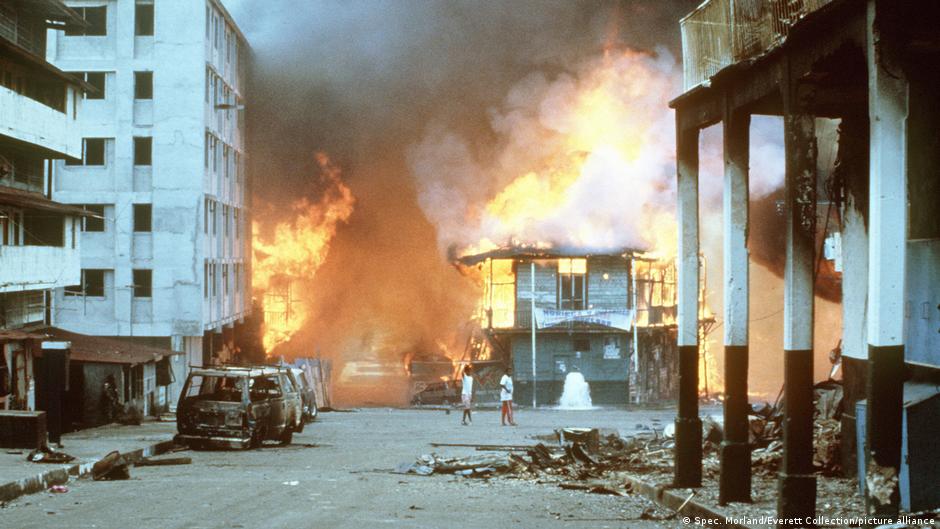
In 1989, the US intervened in Panama to remove dictator Manuel Noriega. The operation, known as “Operation Just Cause,” cost $331 million and resulted in Noriega’s arrest and eventual imprisonment. Similarly, in 1983, the US invaded Grenada after a coup led to the assassination of Prime Minister Maurice Bishop. The intervention was controversial, with strong opposition from the UK.
In 1965, the US invaded the Dominican Republic to prevent a potential socialist government from taking power. This intervention, justified as a means of protecting American citizens, also aimed to avoid a “second Cuba” in the region.
Recent Developments in Venezuela
The most recent potential regime change operation occurred in early 2026, when US President Trump arranged for Venezuelan leader Nicolas Maduro to be abducted. He is currently facing charges in New York for “drug terrorism.” In his place, Maduro’s former deputy, Delcy Rodriguez, has taken control. While she remains part of the existing regime, Trump has indicated he may work with her to gain access to Venezuela’s oil reserves.
However, the situation remains uncertain. María Corina Machado, a Nobel Peace Prize winner and Trump supporter, has announced her intention to return to Venezuela and lead the country toward democracy.
Conclusion
The history of US regime change operations reveals a pattern of short-term successes followed by long-term instability. While these interventions are often justified on the basis of national security or ideological goals, the outcomes frequently fall short of expectations. As the US continues to engage in global conflicts, the lessons of past interventions remain relevant.