Addressing Breast and Cervical Cancer in Bauchi State
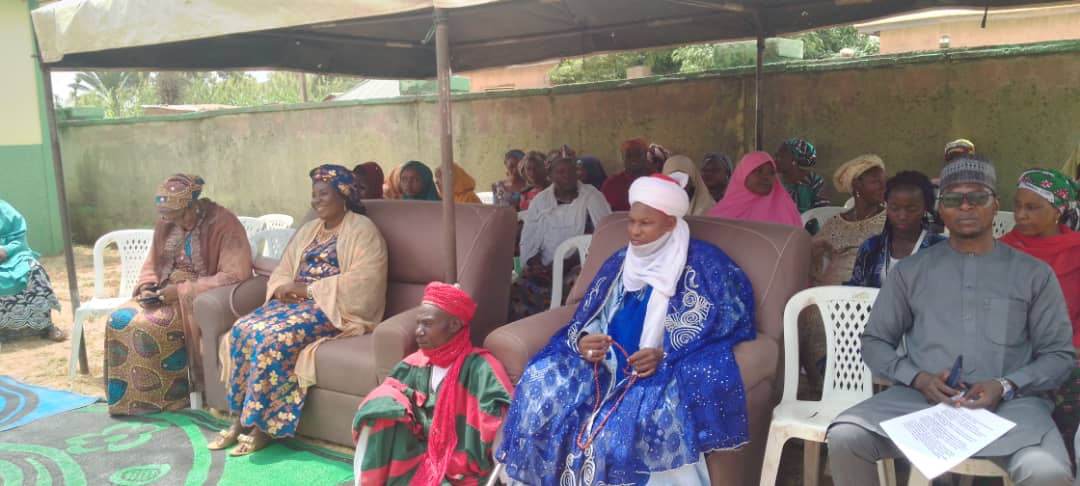
Over 500 women of childbearing age and adolescent girls have been screened for breast and cervical cancer in Alkaleri Local Government Area (LGA) of Bauchi State. This initiative, aimed at raising awareness about the impact of these diseases, was carried out by the Medical Women’s Association of Nigeria (MWAN), Bauchi State chapter, with support from the North-East Development Commission (NEDC). The event took place at the General Hospital in Alkaleri as part of a broader social responsibility campaign.
Dr Umma-Hanni Ja’afar, the chairperson of MWAN in Bauchi State, shared insights on the program’s objectives during an interview at the hospital. She explained that the initiative is supported by NEDC and involves collaboration with MWAN branches across six northern states: Adamawa, Bauchi, Borno, Gombe, Taraba, and Yobe. Each state has its own MWAN branch, and together they focus on organizing screening programs, advocacy campaigns, and educational initiatives to address health issues affecting women and children.
Breast and cervical cancers are significant public health concerns globally, particularly in sub-Saharan Africa. According to recent data, approximately 12,000 cases of cervical cancer are diagnosed annually in Nigeria, with around 8,000 resulting in mortality. The World Health Organization (WHO) has set a global target to eliminate cervical cancer, aiming for fewer than four cases per 100,000 people annually. This goal is supported by the 90-70-90 strategy, which includes:
- 90% of girls being vaccinated against human papillomavirus (HPV) by the age of 14.
- 70% of women being screened using high-definition methods at ages 35 and 40.
- 90% of women receiving treatment for pre-cancerous or invasive cervical conditions.
Dr Ja’afar emphasized the importance of community-based outreach in achieving these targets. She noted that many individuals in rural areas are unaware of the risks associated with these cancers, and that education plays a crucial role in prevention and early detection. By engaging with local communities, MWAN aims to raise awareness and encourage more women to seek screening and treatment.
The program also highlights the unique role of women in addressing these health challenges. As a group of female doctors, MWAN members bring a personal and professional perspective to their work. Dr Ja’afar pointed out that cervical cancer affects only women, as it involves the cervix, a part of the female reproductive system. Similarly, breast cancer predominantly affects women, making it essential for women to be informed and proactive about their health.
The outreach in Alkaleri was not just about screening but also about mobilizing the community. Dr Ja’afar mentioned that while the initial turnout was modest, word-of-mouth and community engagement quickly increased participation. The Ward Development Committee (WDC) Chairman also played a key role in encouraging more women to take part.
Mohammed Amir Ali, an assistant manager at the NEDC office in Bauchi State, spoke about the organization’s mission to alleviate the effects of poverty and insurgency in the region. He highlighted the importance of health as a pillar of development and stability, especially in areas affected by conflict. NEDC’s partnership with MWAN reflects a commitment to improving healthcare access and outcomes for women in the North-East.
Participants in the outreach expressed gratitude for the opportunity, noting that there is a growing concern about breast and cervical cancer in their communities. Many appreciated the effort to bring medical expertise directly to the people.
This initiative in Alkaleri is part of a larger plan to conduct screenings across all 20 local government areas in Bauchi State. The success of this program underscores the power of community engagement, education, and partnerships in addressing critical health issues. As the efforts continue, the hope is that more women will be empowered to take charge of their health and contribute to the broader goal of eliminating cervical cancer.


