The Rise of Plastic Bag Bans and Their Challenges
The term “plastic bag bans” is often used to describe a range of policies designed to reduce the use of single-use plastics, particularly shopping bags. However, this term can be misleading, as it typically refers to initiatives that encourage the use of reusable bags by charging a small fee for plastic alternatives. These policies have been widely successful in many regions around the world.
Over the past decade, countries, cities, and other jurisdictions have implemented plastic bag fees with consistent positive outcomes. For example, in May, a report highlighted how shoreline pollution decreased by 37% in New Jersey following the introduction of such initiatives. Overall, data has shown that these measures are effective in reducing plastic waste.
In 2024, a tech consultancy noted that in the United Kingdom, single-use plastic bag usage had dropped by 98% since 2015, when a similar policy was introduced. Despite these successes, recent trends suggest that progress may be slowing down, raising concerns about the long-term effectiveness of these policies.
The Impact of Online Grocery Shopping
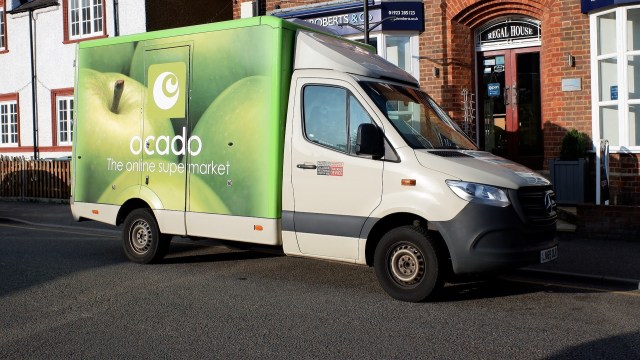
One of the main reasons for this slowdown is the increasing popularity of online grocery shopping. This trend has led to a rise in the use of plastic bags, particularly in the UK. The Guardian reported on what has been termed the “Ocado effect,” referring to the impact of one of the UK’s leading online grocery retailers.
According to data from the UK’s Department for Environment, Food and Rural Affairs (DEFRA), British supermarket shoppers purchased 437 million plastic bags in 2024, compared to 407 million in 2023 — a 7% increase. Among the major supermarkets, Ocado sold more plastic bags than any other, with 221 million bags sold in 2024, up by 30 million from the previous year.
This resurgence in plastic bag use has sparked debate about whether these bags should be banned nationwide. Opinions vary, with some arguing for a national ban, while others believe that decisions should be left to individual states. Others remain uncertain about the best approach.
Why This Trend Is Concerning
The concern stems from the fact that plastic bag bans have historically worked well. Ordering groceries online is not inherently bad for the environment, and it can be a necessity for busy families, helping them save time when purchasing household essentials. However, the recent uptick in plastic bag use is troubling, especially given the success of previous initiatives aimed at reducing plastic waste.
DEFRA’s data shows a worrying trend, as the public had already adapted to the changes made through these policies. Now, the shift in consumer behavior toward online shopping appears to be undermining those efforts. According to The Guardian, the amount of plastic waste collected on beaches increased by 9.5% in 2024 compared to 2023.
This increase is particularly concerning because it suggests that the rise in plastic pollution may be driven by a shift to online shopping, which many eco-conscious consumers may not even be aware of. The environmental impact of plastic pollution is significant, with microplastics posing growing risks to human health.
Efforts to Address the Issue
In response to these challenges, British grocery stores are taking steps to limit the use of single-use plastics. Some are introducing reusable crates for customers, offering an alternative to traditional plastic bags. Reducing plastic use directly addresses the issue, and governments worldwide are working on a global plastics treaty to tackle the problem on a larger scale.
The UK government has stated its commitment to cutting reliance on plastics. A spokesperson from DEFRA emphasized this stance, highlighting ongoing efforts to minimize plastic waste. As the debate continues, it remains crucial to find sustainable solutions that balance convenience with environmental responsibility.
Looking Ahead
As online shopping continues to grow, so too does the need for innovative approaches to reduce plastic waste. While current measures show promise, they may need to evolve to keep pace with changing consumer habits. The challenge lies in ensuring that environmental progress is not undone by new trends in commerce.


