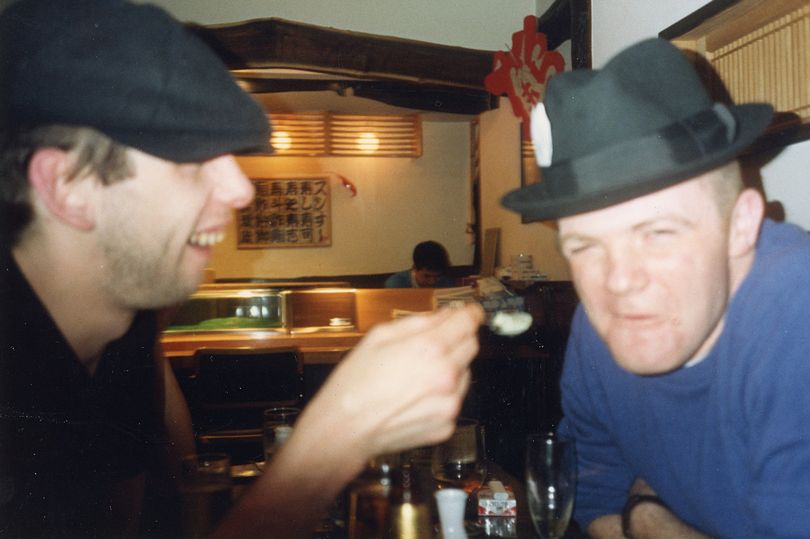
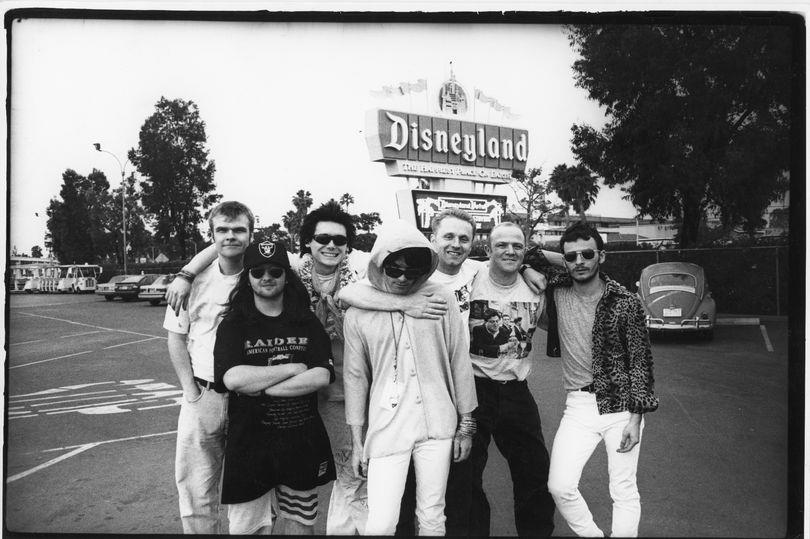
It was Christmas Eve, babe. Well, it was actually November, but it was December 24 on set as The Pogues filmed the video for their new single Fairytale of New York.
Stuart Bailie was there to interview the band. “I’d never been to New York before and you’re walking into this… just the craic was brilliant,” he says.
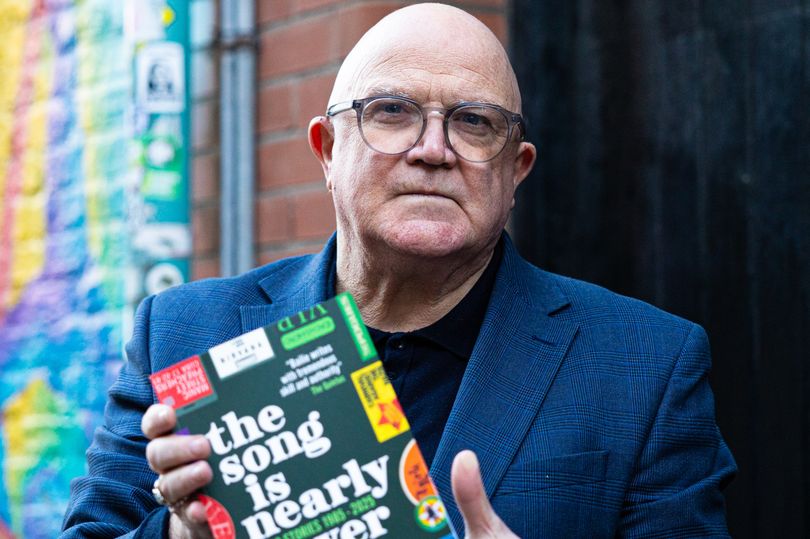
Bailie is in Dublin to talk about his new book The Song Is Nearly Over, a collection of his writing on music over the last 40 years.
It’s a time capsule of access-all-area lanyards, grumpy typesetters, smoke-filled offices, sweaty gigs, ghetto blasters, demo tapes, correspondence by mail and life on the road with the biggest names in music.
He’s called a “c**t” by Bono, told he needs a “f**king slapping” by Paul Weller and has Noel Gallagher direct 9,000 people to boo him in Belfast. “It was the best time of my life,” he says, laughing.
Among the collection are three pieces with The Pogues, starting with that 1987 trip to New York for the old music paper Record Mirror.
Bailie is collected at JFK Airport in a car as big as a bar and driven to the Gramercy Hotel where the party is in full swing ahead of a Pogues show at The Ritz.
“Joe Strummer is knocking about. We go to the gig and Matt Dillon’s there and Jim Jarmusch is there and you know there’s this beautiful song that’s taking them to a new level,” he says. “It was just great fun. Just gorgeous.”
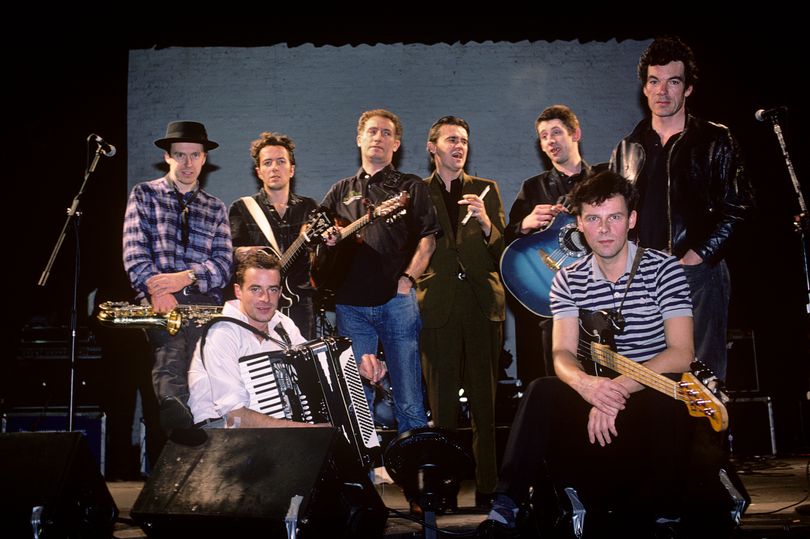
Bailie moved to London from Belfast in the mid-1980s at the height of The Troubles and The Pogues became the soundtrack to his new life. A friend in lonely times and a primer for lost weekends is how he describes it.
“I didn’t really consider myself Irish when I left in ‘85. Thought I was a sophisticated hip-hop dance person or whatever,” he says.“And then you go there and realise you’re a Paddy.”
The book explores the family tree of modern Irish music from Liam Clancy to The Pogues, U2, Moya Brennan, David Holmes, Kneecap and Róis, as well as the broader indie scene from that time.
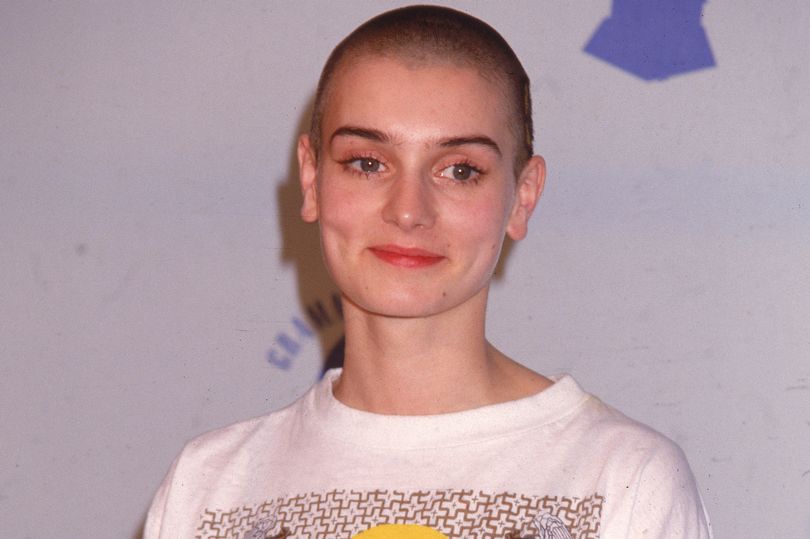
It’s a window into the disappearing world of unfiltered artist access and long-form music journalism. He got the first interview with Sinead O’Connor after the Bob Dylan tribute concert in 1992, wrote the first NME review of Screamadelica in 1991 and met Fidel Castro with the Manic Street Preachers in 2001.
“So many sharp musicians, so many sharp people. Everyone provoking you, challenging you, encouraging you, fighting with you,” he says. “And then you’re reading what they were doing, and thinking ‘F**king hell, I’ve got to do better than that.’ Those were amazing days. You were right in the middle of it all and it was all cooking.”
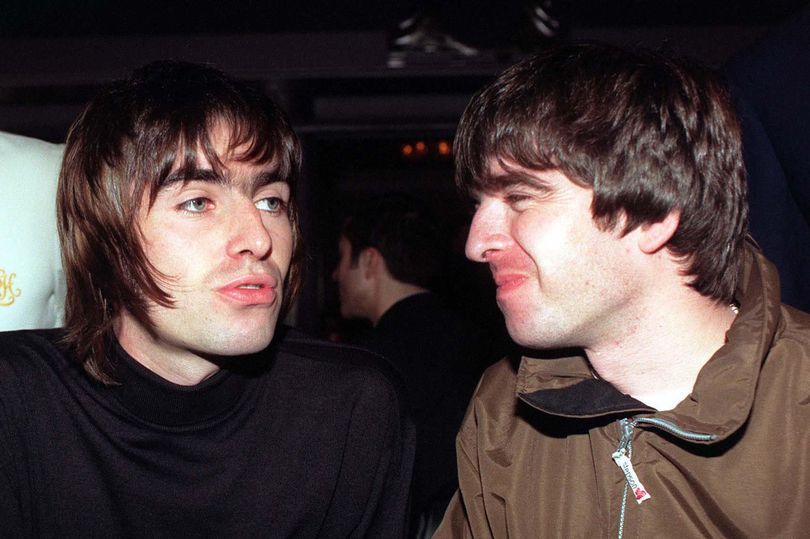
It was Bailie who suggested pitting Blur and Oasis against each other on the NME cover in August 1995 for the battle of Britpop. The edition sparked a media frenzy and led to public acrimony between the two bands.
When Oasis played the Odyssey Arena in Belfast in 2002, Noel Gallagher pointed towards Bailie saying into the mic, ‘See that guy down there taking photos? He’s the w**ker from NME who started Blur versus Oasis.’
Liam Gallagher then pretended to unzip his trousers and emptied a bottle of water on Bailie’s head and 9,000 people booed him as he left.
“There was a bit of theatre that night at the Odyssey,” he says. “But at the end of the day, if NME hadn’t done that front cover, it wouldn’t have kicked off. It wouldn’t have been the same.
“Blur and Oasis would’ve done well and somebody might have said, ‘Oh they don’t like each other’, but we turned it into a spectator sport.”
So how is his relationship now with the Gallagher brothers? “Well, I’d probably say I’m non-grata,” he says, laughing. “But you never know.
“Noel Gallagher’s in Belfast quite a lot, because he still works with David Holmes. There’s talk of some TV thing next year that might involve them. And either I’ll have to stay out of the room when that bit is happening or somebody can prepare the ground and go ‘let bygones be bygones’.”
He was trusted by the Manic Street Preachers to share their pain in print and his interview with Richey Edwards is as raw now as when first published in 1994.
In 1996, the band then gave Bailie their first interview since Edwards disappeared in 1995 and he found it emotional going back over those articles.
“Yes, it was a bit,” he says. “I think we all had a crash course in mental health in ’94. Kurt (Cobain) dies, PJ Harvey had a breakdown and then The Manics.
“You were learning about it and how to write about it. NME and everyone else had to be a little bit more responsible. So it was very, very educational and terribly sad.”
The mid-90s were also a time when the North was seeing positive change after years of bloodshed. In 1994, Bailie went on a road trip with Therapy? from Belfast to Derry and had a memorable encounter with Ian Paisley where he asked the DUP leader about the blossoming indie scene in the North.
“There was literally two seconds of silence. He just didn’t know how to deal with it. Flummoxed. It was brilliant,” he says. Paisley eventually answered that he was only interested in gospel music.
“Therapy? wanted to sample it. They were going to put it on Church of Noise, which would have been brilliant,” he says. “The record company chickened out. But that would have been hilarious.
“At that point you thought Paisley was yesterday’s man. Then he ends up being First Minister at Stormont. “But I just felt like there was a swell against nasty, polarised politics and the music was part of that victory.”
Bailie compered the historic U2 and Ash concert where John Hume and David Trimble shook hands on the eve of the Good Friday Agreement referendum.
More recently, he has been active at demonstrations about the war in Gaza and has been energised by acts like Kneecap.
“I don’t necessarily appreciate the lifestyle they present to the world, that sort of laddish thing, but C.E.A.R.T.A. – singing a song about Irish language rights is amazing,” he says.
“And to be in so quickly with pro-Palestine sentiments and to take that to Coachella and to take it to Glastonbury. We’ve all seen sort of bands flaunt outlaw chic and then they buckle at the first pressure point. Kneecap haven’t buckled.”
Bailie grew up in east Belfast with a Protestant background and after years of curiosity he has been learning Irish at the Turas Centre run by Linda Ervine in recent times.
It has helped his appreciation of a new set of artists making music as Gaeilge and helped with his own “self-interrogation”.
“There’s a whole colony of bands and musicians that are really in the moment. Huartan are amazing, there’s another one called Le Chéile and I love Róis,” he says.
Bailie and his family returned to Belfast in the late 1990s. He has produced programmes for the BBC, edited his own magazine and written books, including the landmark Trouble Songs: Music and Conflict in Northern Ireland.
Bailie also co-founded the Oh Yeah Music Centre in Belfast and his snaps have been exhibited at Belfast Exposed gallery. He’s still in touch with many of the NME alumni, although some have sadly departed.
“The life expectancy of a music journalist isn’t as high as your normal life expectancy. That kind of goes with the lifestyle,” he says.
His old NME colleague Kevin Cummins told me recently he still leaves space for the NME logo when composing a photo and Bailie finds himself at gigs, still writing reviews in his head.
“Which is sad. It’s like, just enjoy the music! You don’t have to pontificate. The world doesn’t need your thoughts on this,” he says, laughing.
“I’m half deaf now, my hearing’s f**ked and all that stuff. Industrial damage the doctor calls it. But the needle still twitches.”
The days of champagne with The Pogues are long gone, but their music is still a big part of his life and he was moved by MacGowan’s death and funeral two years ago.
“I really admire people like Ann Scanlon who had his trust,” he says. “She was able to access the gentle, humorous side of Shane and I never got that. I got the shutters.
“I did feel sad when he died. It was such a lingering drawn-out demise. But like everybody else, I thought the funeral was amazing. His funeral and Manchan Magan’s funeral. There’s a whole way Ireland is coming to terms with itself through those funerals. They were part of a public conversation and that’s amazing.
“Music is still helping us to learn what this island is or how we measure up to this island. We move on and we dig away.”