
The Struggles of Abolishing NHS England
Plans to abolish NHS England as part of a broader initiative to combat waste are facing significant challenges, with health leaders expressing concerns over the lack of clear direction from the government. Sir Keir Starmer had previously announced in March that he would shut down what he referred to as the “world’s largest quango,” arguing that it duplicates work done by the Department of Health and Social Care.
The proposed closure was expected to result in the loss of nearly 10,000 jobs and save hundreds of millions of pounds annually in administrative costs, which could then be redirected towards frontline care. However, the two-year process is already encountering obstacles, particularly regarding who will cover the £1 billion cost of redundancy payments and the absence of sufficient parliamentary time to pass the necessary legislation.
The Treasury is reportedly resisting requests for additional funding to cover this bill, while NHS officials claim they cannot afford it from their current budgets. Unions have criticized the original timeline as unrealistic, accusing ministers of prolonging the process and diverting staff attention from critical tasks such as addressing waiting lists.
Some NHS England functions that were supposed to be transferred to the DHSC risk collapsing due to staff leaving for more stable positions. Sir Jim Mackey, chief executive of NHS England, recently informed staff that there is no longer a “rush” to move them to new roles at the DHSC.
A Shift in Strategy
Speaking during an internal staff briefing, Sir Jim highlighted that the merging of NHSE duties with the DHSC and cutting central staffing by half would now be a more gradual and managed process rather than a sudden change. His comments, first reported by the Health Service Journal, indicated that the transformation would not be a dramatic overnight event as initially anticipated.
He emphasized that while the overall objective of reducing scale and enhancing collaboration with the DHSC remains, the process will take longer but allow for a more thoughtful and organized approach over the next few years. The key change, according to Sir Jim, is the absence of urgency in transferring employment.
Addressing the Treasury’s reluctance to provide extra funding for the restructure, Sir Jim suggested that the alternative might involve using more internal resources for the business case. There is also uncertainty about whether the required legislation can be drafted and passed through Parliament in time to formally abolish NHSE within the next two years, as outlined in July’s 10-Year Health Plan.

Concerns from Unions and Leaders
Jon Restell, chief executive of the Managers in Partnership union, expressed concerns that the government is struggling with its system changes. He noted that the fast timetable for cutting staff, announced in March, was unrealistic. Members of the union feel that the government’s intentions and goals are unclear, which is detrimental to any major organizational change.
Restell added that the uncertainty and confusion are causing distress among staff, with some taking sick leave. If the change program continues to be delayed and poorly communicated, it could further undermine managerial focus on removing bureaucracy, improving productivity, and reducing waiting lists. Functions such as digital development may collapse as staff seek stability elsewhere.
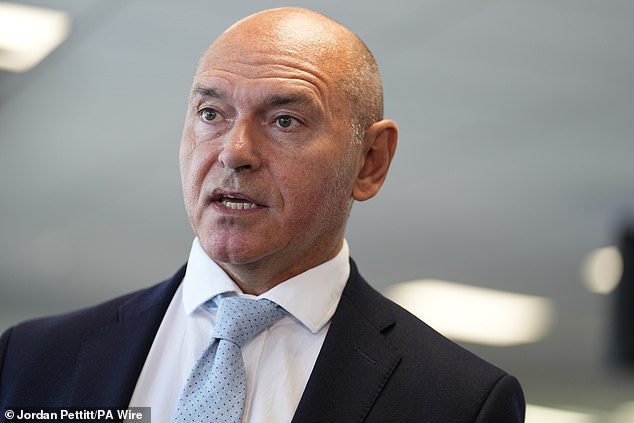
Matthew Taylor, chief executive of the NHS Confederation, stressed that the NHS requires stability and clarity to improve performance and implement reforms. He noted that while a restructure should be done properly rather than quickly, unresolved issues around funding for redundancy payments remain a challenge.
Legislative Delays and Uncertainty
Initially targeting an October 2026 abolition, the government has since shifted its goal to April 2027. However, recent reports suggest that the health bill may not be laid before Parliament until spring 2026, rather than this autumn as previously hoped. The timeline for passing the legislation is uncertain, with potential delays extending into late 2026 or even spring 2027.
This could make it too late to enact the abolition of NHSE by April 2027. A Department of Health and Social Care spokesperson reiterated the government’s commitment to abolishing NHS England and transferring all its functions to the DHSC or the wider system, aiming to make the NHS more efficient and reduce unnecessary bureaucracy.
Ongoing Questions
As the process unfolds, several questions remain: Can the abolition of NHS England, described as an “overblown bureaucratic folly,” restore democratic control and slash red tape? Could sweeping staffing reductions create chaos or streamline productivity during the critical transformation? Is Labour’s plan to scrap NHS England a billion-pound blunder, costing taxpayers up to £800 million in staggering redundancy payments? Is abolishing NHS England and other quangos the key to a “lighter, leaner” government or a risky gamble? And finally, is the axing of NHS England a bold step toward streamlined healthcare or a recipe for disaster?


