The Rising Influence of Russian Disinformation in Nigeria
In 2024, a report released by the Viginum agency, in collaboration with the UK Foreign, Commonwealth and Development Office and the EU External Action Service, highlighted the growing role of Russia in shaping narratives across Africa. One of the most significant findings was that Nigeria had become a central battleground in Moscow’s expanding soft power campaign. The report identified the African Initiative press agency as a key player, emphasizing its increasing digital presence in Nigeria and its role in disseminating narratives that shift public opinion away from the West and toward Russia.
For those following African geopolitics, this development was not entirely unexpected. Russia has long used a strategy that exploits anti-colonial sentiments, undermines Western credibility, and positions itself as an ally of African sovereignty. This approach has primarily been focused on Francophone West Africa, particularly in countries like Mali, Niger, and Burkina Faso, where Russian propaganda has framed Western counterterrorism efforts as evidence of neo-colonial betrayal.
One notable example occurred after the 2017 ambush of U.S. soldiers in Tongo, Niger. Kremlin-linked media outlets amplified the idea that the American military presence had invited extremist violence. This message resonated with populations still grappling with the legacy of colonialism, leading to a surge in anti-French sentiment by 2019. This culminated in President Emmanuel Macron inviting African leaders to Paris for discussions.
However, the influence of Russian disinformation has since spread further south, with Nigeria emerging as a critical point of focus.
Nigeria: A Cultural and Demographic Prize
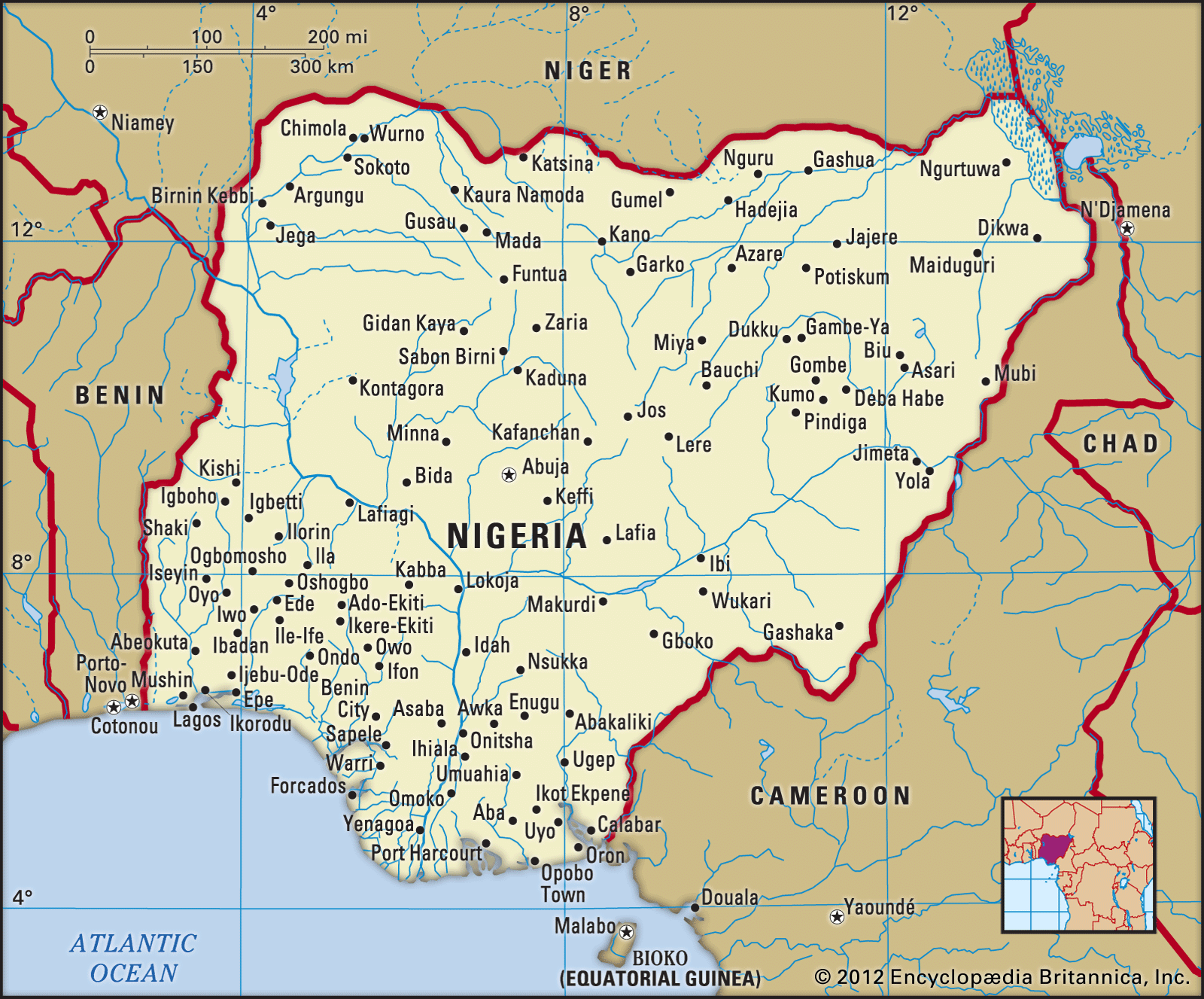
Nigeria shares porous northern borders with Niger, where discontent with Western influence has already taken root. The Hausa people, who make up 55% of Niger’s population, are also the dominant ethnic group in northern Nigeria. Their familial and religious ties cross the Sahel’s borders, making it inevitable that Russian propaganda, which found fertile ground in Niger, would echo in Nigeria.
This resonance became evident in August 2024 when protesters in Kano, Nigeria’s largest northern city, waved Russian flags during the End Bad Governance demonstrations. For many, the flag symbolized a yearning for what they saw as Russia’s decisive role in stabilizing neighboring countries that had expelled Western troops in favor of Russian cooperation.
With a population of over 237 million, Nigeria is not only Africa’s largest country but also its biggest market for information warfare. It is the cultural heart of the continent, home to Nollywood and Afrobeats, industries worth $7.2 billion combined and employing over five million people. Nigerian films and music shape global perceptions of Black identity from Johannesburg to Kingston. Whoever controls the narratives flowing through Nigeria’s digital and cultural pipelines wields immense soft power over the continent.
Digital Highways, Disinformation Byways
By early 2025, nearly half of Nigerians were online, with TikTok and WhatsApp serving as primary platforms for political discourse. Additionally, 70% of Nigerians are under 25, and many consume and share content at high rates, often without adequate fact-checking infrastructure.
Enter Russia. In July 2024, the African Initiative opened its Lagos bureau, pushing content via the Afree app that praised military coups in the Sahel and criticized ECOWAS as a Western puppet. On Telegram and X (formerly Twitter), Russian-backed influencers reframed Western aid as cultural imperialism, linking it to debates over LGBTQIA+ rights and “moral decay.” These narratives tap into long-standing cultural conservatism and skepticism toward Western liberalism.
The results have been measurable and costly. Manipulated posts tied to pro-Russian sources boosted engagement around major cultural festivals by 40%, redirecting audiences toward memes glorifying juntas and denigrating democracy. This digital noise undermines Nollywood’s authenticity—its central appeal—and dilutes Nigeria’s global storytelling power.
Economically, the fallout is steep. Disinformation and piracy have cost Nigeria’s creative industries an estimated $1.5 billion annually, with Afrobeats streams plummeting amid bot-driven boycotts of artists deemed “Western-aligned.” As the creative sector accounts for 5% of GDP and employs one-fifth of urban youth, such disruption isn’t merely cultural sabotage—it’s economic warfare.
The AI Mirage: When Reality Becomes a Deepfake
Nigeria’s digital vulnerability is compounded by an AI literacy gap. A 2025 Meta-commissioned study found that 75% of Nigerians under 30 failed to identify deepfake videos, particularly those in Hausa that purported to show ECOWAS “betraying” Sahelian allies.
Local fact-checkers like Dubawa now deploy AI verification tools that catch 60% of manipulated media in real time, but their reach remains urban and limited—covering only 15% of rural internet users. That leaves over 120 million Nigerians exposed to algorithmically tailored disinformation.
The implications stretch beyond perception. As Moscow-linked networks infiltrate apps like Afree, cybersecurity risks multiply. In 2025, Interpol reported that 17.5% of Nigerian users were hit by phishing attacks, many tied to data-harvesting schemes mapping opposition movements. Fibre-optic breaches have risen 45% year-on-year, and 70% of banks remain without AI-based ransomware defenses. Deloitte’s 2025 cybersecurity forecast warned that such vulnerabilities could invite state-backed hacks capable of crippling Nigeria’s power grid.
The Sahel’s Shadow: A Geopolitical Domino
The pattern is already visible in the Sahel and Libya, where Russian interference—via Wagner remnants and bot farms—justified coups and fractured Western alliances. In Libya, Moscow’s redeployment of Syrian jets in 2025 helped consolidate General Haftar’s hold over the east, undermining UN unity and cementing Russia’s military footprint.
For Nigeria, the danger lies in contagion. Pro-Russian sentiment in border states has doubled since 2024, and October 2025 coup rumors—though denied by the government—hinted at a worrying shift. Had such a coup succeeded on Nigeria’s Independence Day, it might have realigned Africa’s largest democracy toward Moscow and shattered what remains of ECOWAS’s fragile unity.
The Coming Storm
Russia’s playbook is consistent: use disinformation to delegitimize Western partnerships, champion “sovereignty” through authoritarian models, and exploit the disillusionment of African youth. The August 2024 protests, which left 24 dead and led to treason charges for 76 demonstrators, were not just about fuel prices or corruption—they were about narratives. Competing visions of what it means to be free, independent, and African.
By 2027, as Nigeria heads toward its next election, those narratives may define its geopolitical soul. A generation raised on Telegram channels and TikTok edits may see in the Sahel’s juntas not a warning—but a blueprint.
If that happens, it won’t be because Moscow conquered Nigeria. It will be because Nigeria, unguarded in its digital sovereignty, allowed its voice, its culture, its youth, its truth to be rewritten by someone else.


