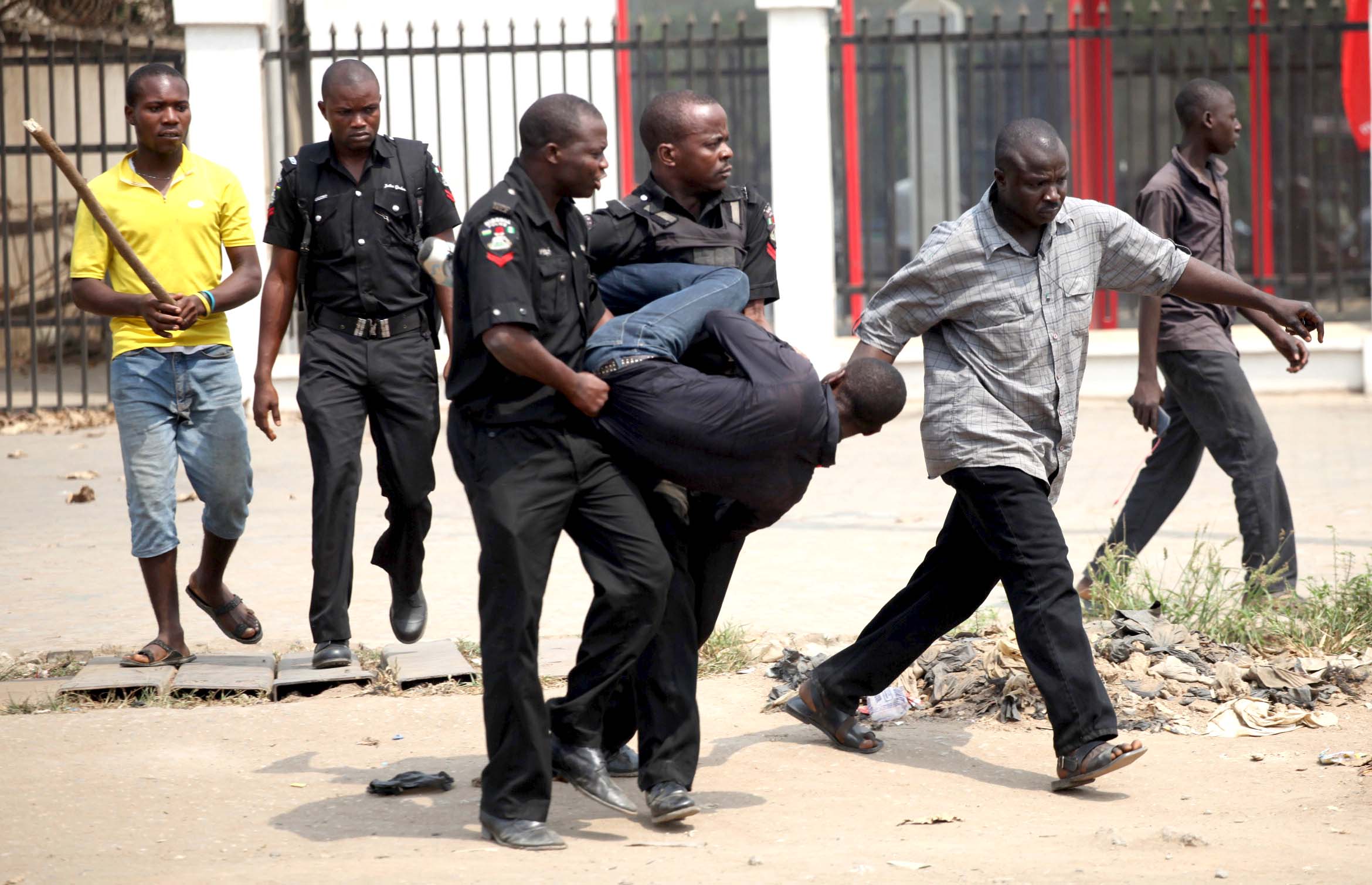
The Evolution of the Nigeria Police Force
As Nigeria marks 65 years of independence, the focus turns to the performance of its institutions, particularly the Nigeria Police Force. This institution has been at the forefront of the nation’s fight against insecurity. Over the decades, the police have undergone numerous transformations and adaptations in response to changing crime patterns.
Following independence, the Northern and Southern regional forces were merged into a single national body, forming the Nigeria Police Force. The First Republic experimented with regional policing before reverting to a national structure. The Force then took on not only crime-fighting but also internal security and paramilitary functions. It transitioned from being an entity for colonial masters to one focused on maintaining law and order through crime-fighting.
With the population growing from 45 million at independence to over 200 million, the police have had to deal with evolving crime trends. Today, Nigeria faces complex crime landscapes that include terrorism, banditry, kidnapping, cybercrime, and transnational organized crime. While the police have developed sophisticated approaches, analysts argue that these threats often outpace the capacity of the security institution.
Historical Context and Criminal Trends
The makeup of criminality has changed over the years. In the 1970s and 1980s, violent armed robberies were prevalent, especially in the South. Notorious criminals like Ishola Oyenusi and Lawrence Anini were apprehended by the police. By the late 1990s and early 2000s, the Niger Delta became a hotspot for militancy, with groups protesting perceived neglect and inequitable distribution of oil wealth. The police played a role in maintaining peace in the region.
The late 2000s saw the rise of Boko Haram insurgents in the North-East, followed by recurring farmers-herders clashes. The police successfully arrested key figures such as Kabiru Sokoto and Chukwudi Onuamadike. These challenges forced the police to constantly restructure their operational strategies.
Some of these strategies include the formation of special units such as the Mobile Police, the Special Anti-Robbery Squad, and Counter-Terrorism Units. Today, the pattern of threats has scaled up with cybercrime, banditry, and a new wave of kidnappings, putting the Nigeria Police Force under pressure to reinvent its operations.
Public Perception and Corruption
Despite its efforts to adapt, the Nigeria Police Force has struggled with public perception and corruption. Routine extortion at checkpoints and human rights abuses have led to a loss of trust. Analysts argue that corruption within the police force poses a grave danger when those tasked with fighting crime become perpetrators themselves.
The pattern of extortion has evolved from collecting cash at checkpoints to goading victims to make withdrawals from ATMs and POS terminals. This has created a climate of fear among citizens who should feel protected.
Allegations of highhandedness and police brutality by the now disbanded Special Anti-Robbery Squad led to the #EndSARS protests. A viral video showing SARS operatives dragging two young men out of a hotel and shooting one of them sparked outrage across Nigeria and reignited long-standing grievances.
Inadequate Resources and Welfare Issues
Police officers often lament poor welfare conditions, from meagre salaries to substandard housing and work environments. This financial strain discourages professionalism and fuels the temptation to seek illegal gratification from the public. Retired officers have expressed frustration over meagre pensions and gratuities, highlighting the disparity between retired police and military personnel.
In a viral video, a retired officer claimed he received only N2m as gratuity and N1m as pension arrears. This issue raised public fury regarding the poor pension package for retired police officers. Security experts point to weak manpower, poor record-keeping, inadequate data analysis, and limited training opportunities as challenges affecting operational effectiveness.
Reform Efforts and Future Outlook
The Nigeria Police Force has shifted from a reactive model to a forward-looking system built on anticipation, prevention, and people-centred service. Improved patrol presence, community dialogue, and quick response mechanisms have restored confidence in the police. International observers now see Nigeria as an example of how large police institutions in developing democracies can reinvent themselves through strategic vision and leadership.
According to the Force Public Relations Officer, Benjamin Hundeyin, the NPF has demonstrated a heightened operational tempo and doggedness, resulting in significant successes against criminal elements. In just two months, 4,383 suspects were arrested nationwide, and 1,138 kidnapped victims were rescued.
Security expert Okechukwu Nwanguma emphasized the need for real change beyond rhetoric. He highlighted the importance of professional recruitment and promotion, improved welfare, technology and intelligence-driven strategies, and decentralizing the force toward community policing.
Akin Adeyi, a security expert, stressed the need for the police to disconnect from their historical formation and improve welfare. He argued that without proper care, the police will continue to struggle with crime-fighting efforts.
Conclusion
The Nigeria Police Force has come a long way since independence, but challenges remain. Addressing issues of corruption, improving welfare, and implementing meaningful reforms are crucial for the force to effectively tackle crime and serve as a people-centred institution in a democracy.


