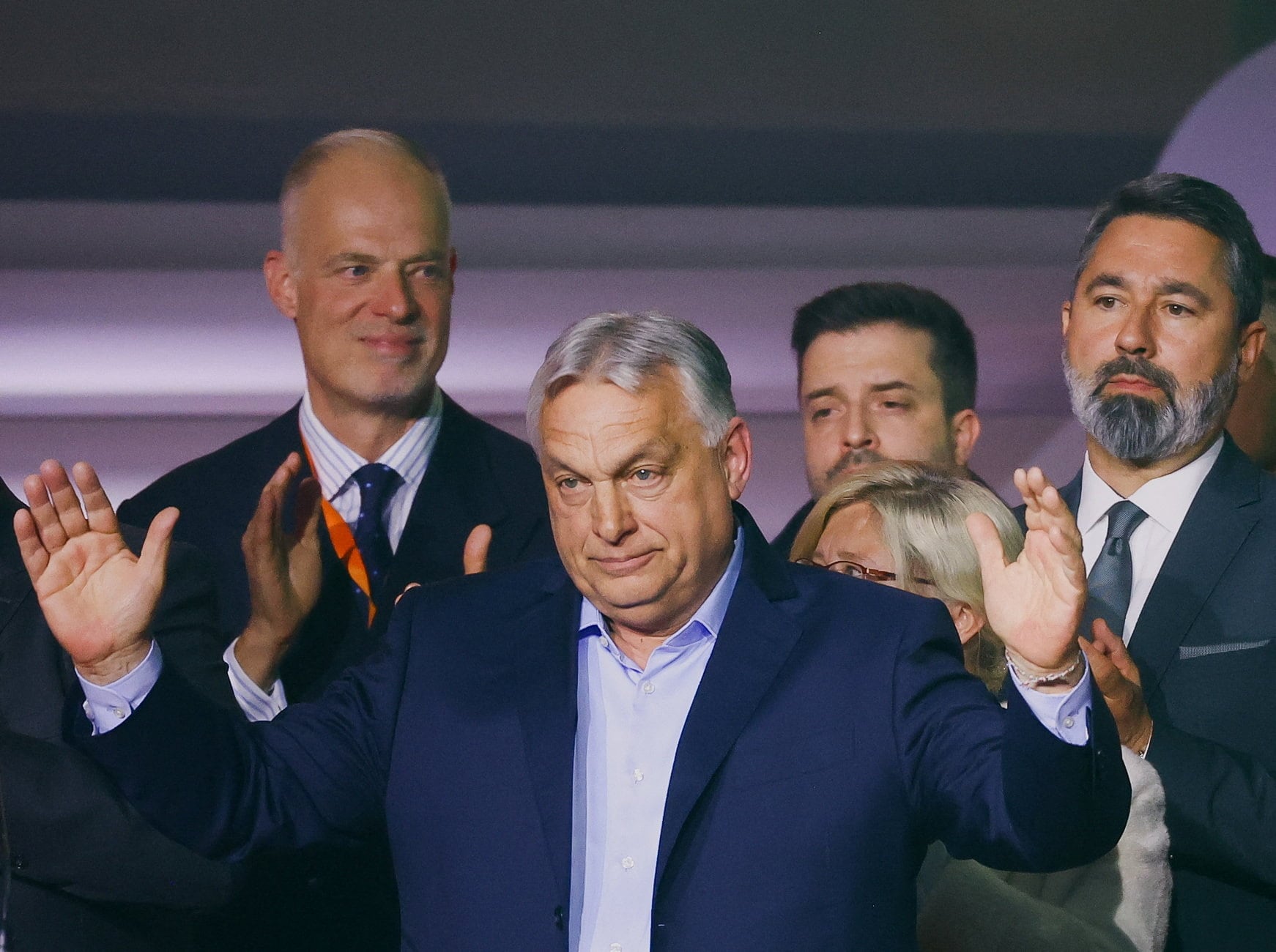
Hungary’s political landscape has undergone a dramatic shift after 16 years of rule by Prime Minister Viktor Orbán. Often referred to as the “European Trump,” Orbán faced a significant defeat in the recent general election, marking the end of his long-standing leadership that began in 2010. This election is not just seen as a change in government but also as a pivotal moment that could reshape the trajectory of populist politics in Europe and influence the balance of power among the United States, Russia, and the European Union (EU).
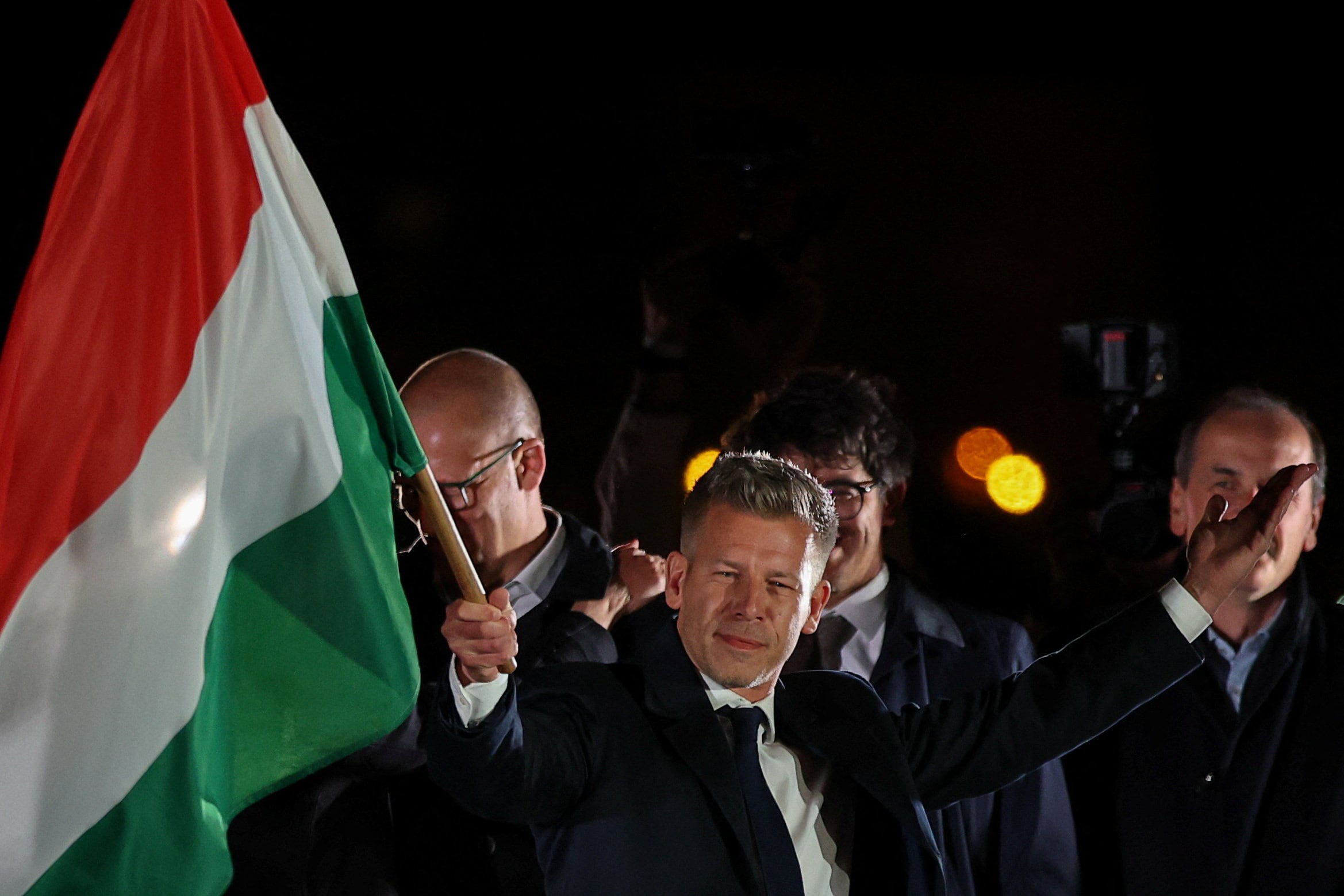
In the general election held on the 12th (local time), the opposition party Tisza secured 138 out of 199 total seats, achieving a decisive victory. The ruling party Fidesz managed only 55 seats. Tisza’s seat count surpassed the constitutional amendment threshold of two-thirds (133 seats). Péter Márkár, the leader of Tisza, stated, “The Hungarian people have once again made history exactly 23 years after the referendum on joining the European Union (EU). Hungary will become a strong ally of the EU and the North Atlantic Treaty Organization (NATO).” Prime Minister Orbán acknowledged his defeat, saying, “The election result is painful but clear. I extend my congratulations to the victorious party.”
◇ Public Sentiment Shifts Due to ‘Corruption and Economic Hardship’
The key issues in this election revolved around corruption and economic hardship. Locally, voter reactions reflected widespread dissatisfaction, with statements like, “Corruption has reached an unbearable level.” The Orbán government has faced criticism for consolidating power by controlling the judiciary and media. There were also criticisms that the government embedded mechanisms favorable to the ruling party throughout the constitution and institutions to maintain its grip on power. According to British weekly The Economist, the constitution includes numerous ‘poison clauses’ that make it difficult to implement policies even after a change in government, leading to analyses that securing the constitutional amendment threshold is essential for the new government to function normally. In fact, Tisza aimed for the ‘magic number’ of two-thirds of the total seats, 133 seats, for this reason.
The economic situation also deteriorated, with rising prices and declining public services fueling public discontent. This discontent, combined with corruption issues, led to a judgment against the regime. Additionally, breaking the previously fragmented opposition structure and uniting under the leadership of Péter Márkár was cited as a key factor in the victory.
◇ Judgment on Pro-U.S. and Pro-Russia Policies
Hungary’s foreign policy was a central issue in this election. The election drew global attention as a proxy war between ‘strongmen’ like Donald Trump and Vladimir Putin and EU leaders. Trump, who shares anti-immigration and Christian identity views with Orbán, sent Vice President JD Vance to Hungary on the 7th to support the election campaign. At the ‘Hungary-U.S. Friendship Day’ event held in Budapest that day, Vance connected a live call with Trump, who praised, “Orbán is someone who accomplishes great things,” and added, “He has prevented immigrants from invading and ruining your country (Hungary) like in other countries.” Vance also explicitly appealed for support, saying, “If you want to protect sovereignty, democracy, and truth, go to the polls and stand with Orbán.” However, it is assessed that this had little effect due to negative public sentiment surrounding the Iran war.
Prime Minister Orbán has also hindered EU policies, such as sanctions against Russia and support for Ukraine, by maintaining energy cooperation with Russia. In contrast, Péter Márkár, the leader of Tisza, pledged to restore cooperation with NATO and positioned ‘returning to Europe’ as a key policy. As such, the election result is also interpreted as a judgment on the pro-Russia policy.
Upon hearing of the opposition’s victory, major European leaders expressed their welcome. Ursula von der Leyen, President of the European Commission, welcomed, “Hungary has chosen Europe. A country has regained its path to Europe.” French President Emmanuel Macron evaluated, “This result shows how much the Hungarian people value the EU’s values and Hungary’s role in Europe.” British Prime Minister Keir Starmer also stated, “This is a historic moment for European democracy.”
◇ A ‘Warning Light’ for European Populism
This election is expected to have significant repercussions on the overall political landscape of Europe. Over the past 16 years, Orbán has established himself as a symbol of populist conservative politics and has been evaluated as a ‘role model’ for the MAGA faction in the United States and far-right forces in Europe. However, this defeat is interpreted as a signal that such trends may not expand infinitely.
On the night of the election, citizens poured into the streets of the capital, Budapest, to celebrate the victory, with some chanting, “Russia, leave!” As the ‘Orbán era,’ which lasted 16 years, comes to a close, Hungary is evaluated to be at a critical crossroads, poised to return to the center of Europe.
월 5900원 멤버십, 신문 독자에게는 2900원, 조선멤버십
55000원 상당의 신문-잡지 8종 마음껏 보기, 조선멤버십
현금처럼 쓸 7000포인트 받아 알뜰한 쇼핑, 조선멤버십


