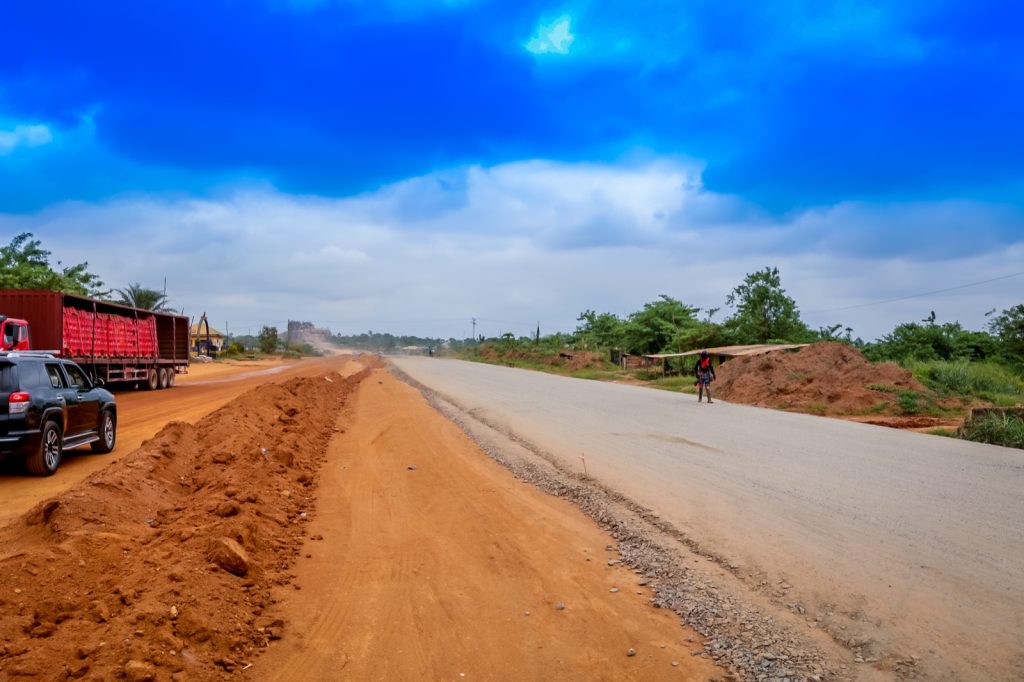
Overview of the RAAMP Project in Ekiti State
The Rural Access and Agricultural Marketing Project (RAAMP), supported by the World Bank, has been making significant strides in Ekiti State under the leadership of Governor Biodun Oyebanji. Hon. Sunday Adunmo, the project coordinator, shared insights into the progress and impact of the initiative over the past three years.
Evolution of the RAAMP Programme
Initially, the project was an upgrade of the Rural Access Mobility Vehicle program, which had previously focused on surface dressing to improve rural access. However, RAAMP has expanded this approach by incorporating agricultural marketing logistics. This means that the project now constructs roads that connect rural communities to markets, facilitating the movement of goods from farms to urban centers.
Road Construction and Impact
Under the current RAAMP programme, approximately 132 kilometers of roads have been awarded for construction. Of these, between 40 and 50 kilometers have already been completed with asphalt laid. The project is expected to commission at least two or three roads during the third anniversary of the current administration. The remaining roads will be commissioned weekly until February next year, with over 18 roads lined up for completion.
The impact of these roads is profound. For example, in areas like Ise-Imola road in Ikere, farmers who previously struggled to transport their goods to the market can now do so efficiently. Similarly, in Agbado-Ekiti, the improved infrastructure has allowed for better movement of goods from farms to markets, reducing waste and increasing income for local producers.
Community Benefits and Development
In regions such as Ilupeju-Ekiti and Ikole-Ikoyi-Isaba, the new roads have led to increased school enrollment and improved access to education. In one community, the number of students grew from a few to over 200, and the local market, which had been closed for years, is now thriving again. Trucks are moving goods from the area to other parts of the state and beyond, boosting the local economy.
Collaboration and Funding
There have been claims that the World Bank is solely responsible for the road projects. However, Hon. Adunmo clarified that it is a partnership. The state government contributed significantly, including counterpart funds, which amount to 18% of the total contract sum. These funds are part of a loan agreement that the state will repay with minimal interest. The roads remain state government assets, and maintenance is a key priority.
To ensure sustainability, two agencies have been established to monitor and maintain the roads. A maintenance culture is being developed, with the goal of keeping the roads in good condition for at least 30 to 50 years.
Contributions of the Current Administration
The project began during the previous administration, but the current governor, Biodun Oyebanji, has played a critical role in its success. He ensured that Ekiti was included in the RAAMP programme, despite initial exclusion. His efforts led to the flag-off of six pilot roads, setting the stage for further development.
Governor Oyebanji’s commitment has also been evident in his timely payment of counterpart funds and his active involvement in ensuring the project’s success. His leadership has resulted in Ekiti receiving two out of five awards among 19 beneficiary states.
Community Feedback and Future Plans
The project has been carefully planned, with roads selected based on their potential to improve the lives of residents. For instance, the Enu Odi-Ita Eku-Igirigiri road connects to a significant farm settlement, while the Ben Folarin to Oke Aso road serves a large farming community.
The governor’s administration has had a positive impact on the state, with plans to construct no fewer than 30 new roads and eventually reach 1,000 kilometers of road construction. By the time political campaigns begin next year, many of these roads will be ready for commissioning, bringing tangible benefits to the communities.


