Understanding the Current Situation with New Variants
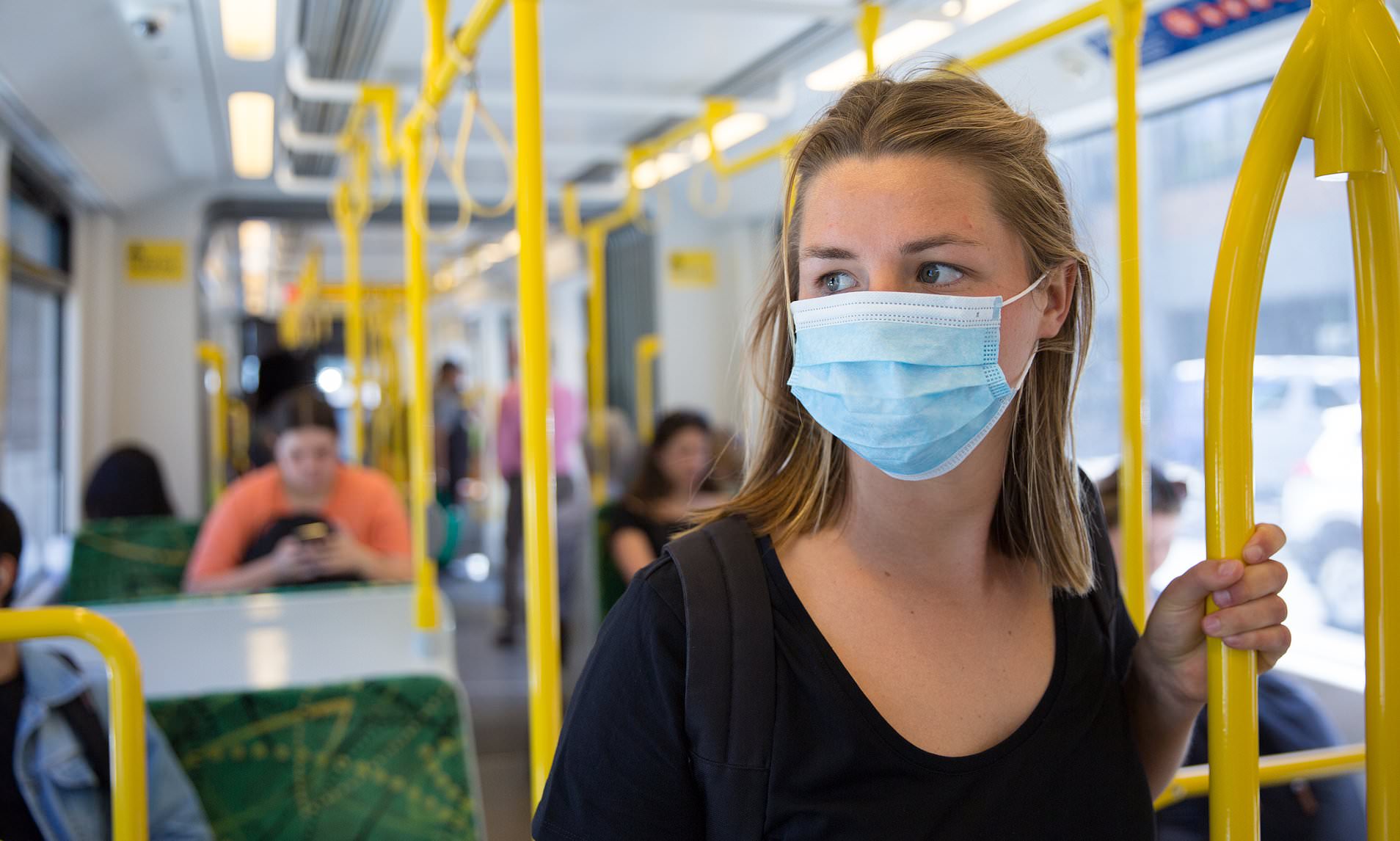
As the UK faces a surge in cases due to two new variants of the virus, Britons are being advised to take precautions to protect themselves and others. The variants, known as XFG (Stratus) and NB.1.8.1 (Nimbus), have led to a significant increase in infections, with cases doubling since August. This rise has prompted health officials to emphasize the importance of mask-wearing in crowded public spaces and isolation if someone tests positive for Covid.
Professor Lawrence Young, a virologist at Warwick University, has expressed concern over the early spike in cases during the Autumn period. He attributes this to a combination of factors, including children returning to school, colder weather leading to more indoor gatherings, and waning immunity from previous vaccinations or infections.
Despite these concerns, experts suggest that the new variants do not pose a greater threat than previous strains. However, they may be more infectious due to genetic changes in the virus. Symptoms associated with these variants include a distinct “razor blade” sore throat, along with other common symptoms like headache, coughing, and a runny nose.

The Impact of New Variants on Public Health
The UK Health Security Agency (UKHSA) reported a slight increase in positivity rates, rising from 7.6% to 8.4% in a week, while hospital admissions increased from 2.0 to 2.73 per 100,000. These figures highlight the need for vigilance as the country prepares for the winter season.
Experts recommend taking sensible actions to stay safe, such as testing for the virus and isolating if necessary. Although free NHS tests are no longer available, individuals can purchase them at pharmacies. While it is no longer mandatory to isolate after testing positive, the UKHSA encourages voluntary isolation to reduce the spread of infection.
Professor Young emphasized the importance of protecting the elderly and vulnerable populations by wearing masks in crowded places and reducing contact in confined spaces. He also stressed the need for continued public health messaging about the risks of Covid, noting that it is not just a common cold and can lead to both short-term and long-term effects.
Expert Opinions on the Ongoing Threat
Professor Stephen Griffin, a virology expert at the University of Leeds, echoed similar sentiments, highlighting that anyone, regardless of their health status, can develop serious symptoms from the virus. He pointed out that past experiences do not guarantee future outcomes, as immunity and the virus itself can change over time.
Griffin also raised concerns about the issue of presenteeism in schools, suggesting that children who are still ill should be encouraged to stay home to prevent the spread of the virus. He advocated for improved indoor air quality and the use of filtering masks in crowded environments, such as buses and lecture theatres.
Long Covid has been linked to over 200 symptoms, ranging from brain fog to heart inflammation, lasting longer than 12 weeks after infection. Experts recommend getting vaccinated, especially for those eligible for the winter booster jab, which is available through the NHS app, online, or at walk-in centers.
Vaccination Efforts and Public Awareness
Over-75s, people with weakened immune systems, and care home residents are eligible for the winter vaccine, while pregnant women and children are also invited for vaccination. Toddlers can receive a flu spray at community pharmacies this year. Some high street chemists offer private Covid jabs, costing up to £99 ($134).
Stratus was first detected in January in Southeast Asia and had spread to 38 countries by June, prompting the World Health Organization to designate it as a ‘variant under monitoring.’ Nimbus was detected around the same time in China and has since spread globally, reaching Europe and the US.
According to the UKHSA, approximately 63% of monitored cases in the UK over the last month were Stratus, while 25% were Nimbus. The agency advises anyone with symptoms to stay at home if possible and avoid contact with vulnerable people. Those who must go out are urged to wear a face covering.
Preparing for the Future
Ministers in the UK have stated they will not impose lockdowns unless a severe variant emerges. As the situation continues to evolve, staying informed and taking preventive measures remain crucial for public health. The ongoing efforts to monitor and respond to the new variants underscore the importance of collective responsibility in managing the pandemic.


