Introduction to the Proposed Tax Measures
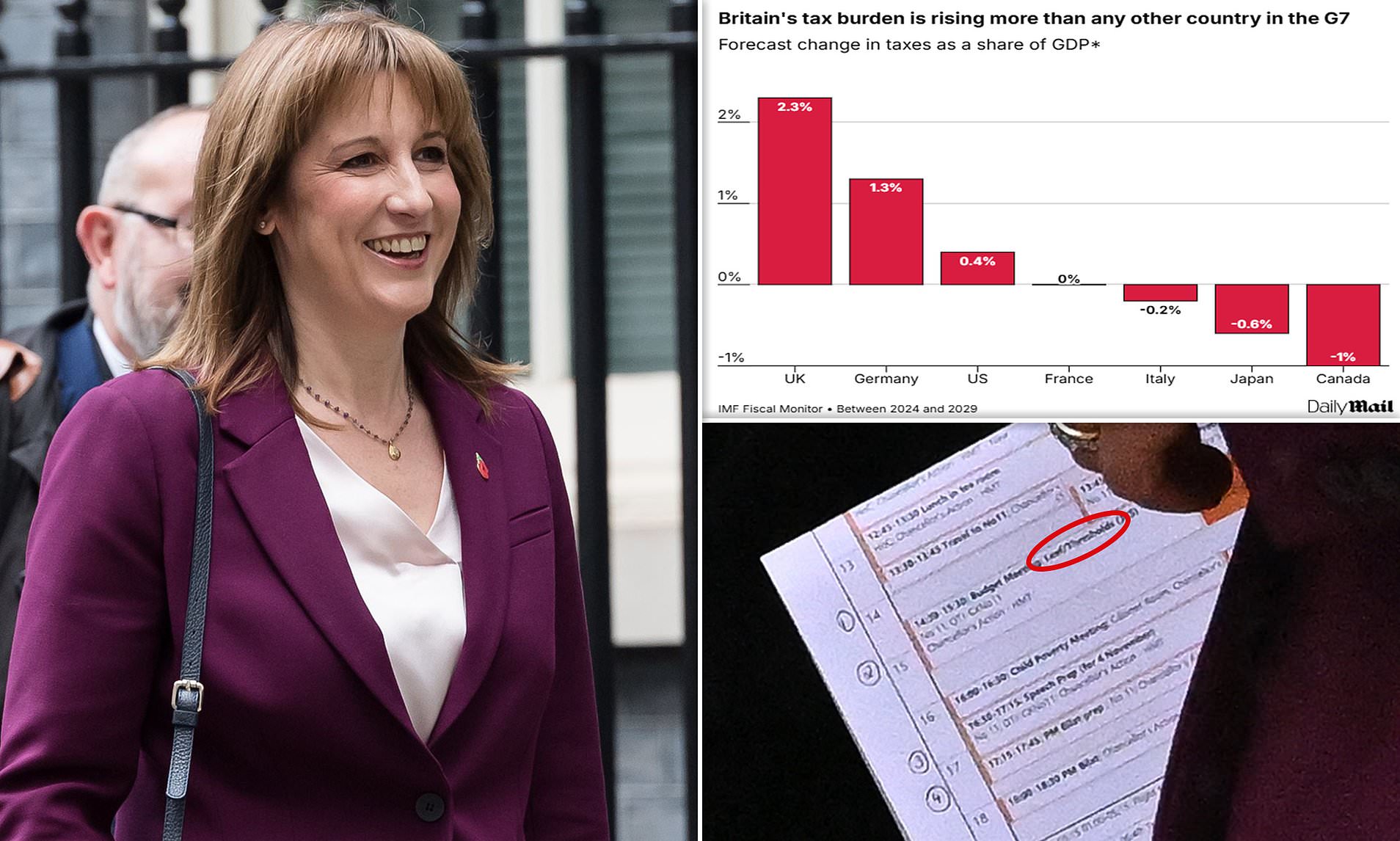
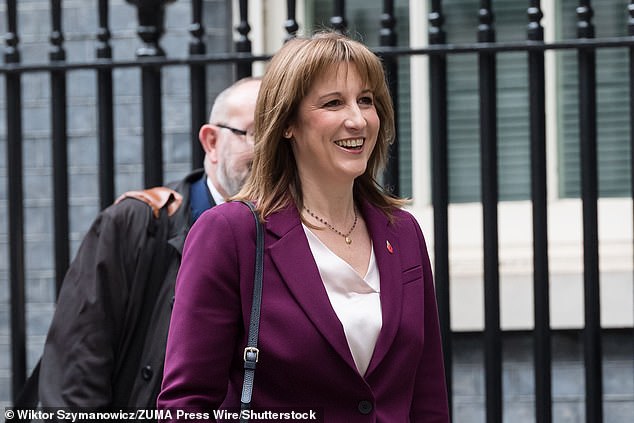
Rachel Reeves, the Chancellor of the Exchequer, is planning to introduce a new levy on hundreds of thousands of homes as part of the upcoming Budget. This initiative aims to raise £600 million by targeting middle-class families. The proposal has sparked significant debate and concern among homeowners, particularly those in higher council tax bands.
Impact on Middle-Class Families
It is estimated that one in ten homes in England, currently designated Band F or above for council tax, will be revalued and could face an additional charge. Although this measure is being referred to as “the mansion tax” by Labour insiders, it is expected to affect a portion of the 1.3 million middle-class families living in Band F properties. These families are primarily located in London and the South East, where house values are significantly higher. They could face annual surcharges of hundreds of pounds on top of their existing bills, which average £3,293.
Broader Implications for Homeowners
The surcharge is likely to impact over 150,000 homeowners living in the most valuable properties in Bands F, G, and H, who may have to pay thousands of pounds more each year. Around 2.4 million properties, representing one in ten English homes, are expected to be revalued by the Treasury to enable the implementation of this tax. A council tax surcharge is then likely to be applied to around 300,000 of the most valuable homes.
Economic Concerns and Political Reactions
Experts warn that the uncertainty surrounding this new tax could have catastrophic consequences for the property market. The system could see up to a quarter of homes revalued in some areas, with over 15% of all homes in London and the South East falling within the scope of the new levy. Shadow chancellor Sir Mel Stride has accused Labour of waging “a class war against middle England,” arguing that such measures would punish hardworking people and undermine aspirations.
Abandonment of Income Tax Rise
Reeves’ decision to abandon her plan to raise income tax was influenced by the Office for Budget Responsibility (OBR) concluding that the proposed 2p increase in income tax would not generate as much money as expected. This move triggered accusations of a chaotic economic strategy and led to disarray in the markets. The uncertainty surrounding the Budget has also fueled fears of a leadership coup against the Prime Minister.
Council Tax System and Property Revaluation
England’s council tax system has come under scrutiny due to its regressive nature, as it is based on property values from 1991. This means that people living in smaller homes often pay proportionally more in tax than those in larger properties. Other options being considered include a full revaluation of properties, but a separate surcharge is currently seen as the most efficient way to collect extra money. Sources suggest that while higher property taxes are certain to come in the Budget, the details of any plan could still change.
Timeline of Key Events
- July 3: Rachel Reeves warns after cuts to disability benefits were abandoned: “Of course there is a cost to the welfare changes that Parliament voted through this week and that will be reflected in the Budget.”
- Sep 23: The Resolution Foundation, Labour’s favorite think-tank, urges the Chancellor to increase income tax by 2p, offset by a 2p cut in employee National Insurance.
- Sep 29: Asked at the Labour conference if she will have to put up taxes, Ms. Reeves warns: “The world has changed.”
- Oct 11: Attending the IMF annual meeting in Washington DC, the Chancellor admits: “As we get the forecast, and as we develop our plans, of course we are looking at further measures on tax and spending, to make sure that the public finances always add up.”
- Oct 23: The Guardian reports that Ms. Reeves is considering raising income tax but is “nervous” about doing so.
- Oct 29: Keir Starmer refuses to rule out a rise in income tax when challenged at Prime Minister’s Questions, saying only: “The Budget is on November 26, and we will lay out our plans.”
- Nov 3: Defence Secretary John Healey declines to repeat Labour’s manifesto promises on tax, saying: “That’s for the Budget and that’s for the Chancellor to announce at the end of the month.”
- Nov 4: In a highly unusual early-morning “scene-setter” speech in Downing Street, Ms. Reeves fails to rule out a rise in income tax, saying: “You will all have heard a lot of speculation about the choices I will make. I understand that these are important choices that will shape our economy for years to come.”
- Nov 7: The Times reports that the Chancellor has told the Office for Budget Responsibility watchdog that a rise in income tax is one of the “major measures” she will announce in the Budget.
- Nov 10: Ms. Reeves again hints she will break the manifesto tax pledge, telling BBC Radio Five Live: “It would, of course, be possible to stick with the manifesto commitments, but that would require things like deep cuts in capital spending.”
Conclusion
The proposed tax measures have raised significant concerns among homeowners and experts alike. As the Budget approaches, the uncertainty surrounding these proposals continues to create anxiety and potential instability in the property market. The political implications of these decisions are also becoming increasingly apparent, with critics accusing the government of a lack of coherent economic strategy.


