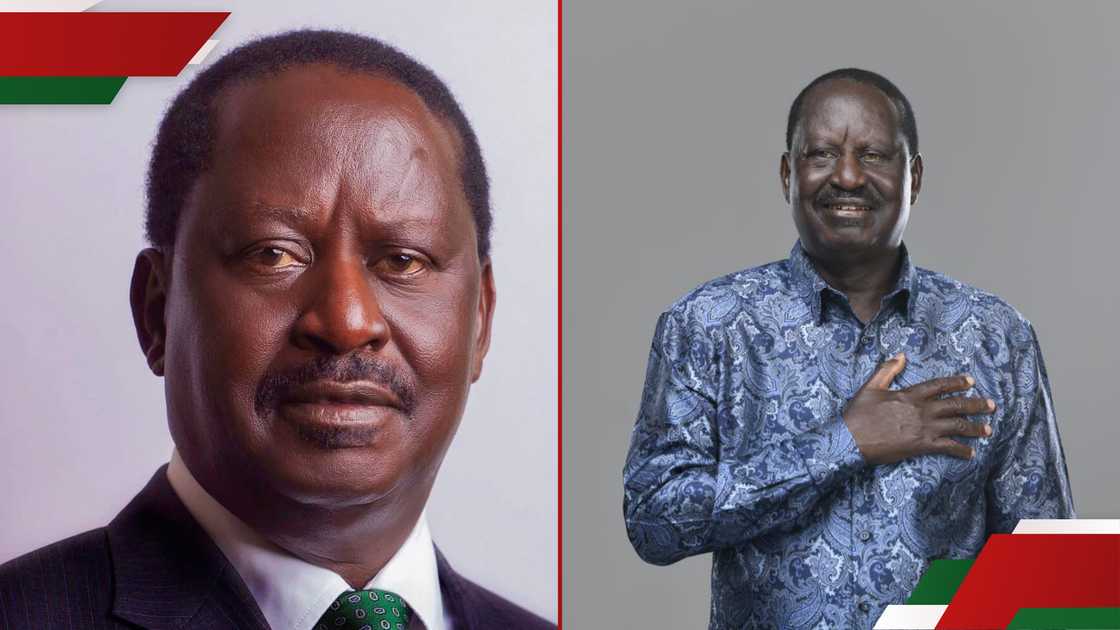
A Life Marked by Struggles and Resilience
Raila Odinga, the former Prime Minister of Kenya, passed away last week at the age of 80. His life was a tapestry woven with personal tragedy, political setbacks, and betrayals that shaped his journey through the corridors of power in Kenya.
Early Life and Baptismal Struggles
Born in 1945 in Maseno, a region known for its strong Anglican influence, Raila’s early life was marked by cultural and religious conflicts. His father, Jaramogi Oginga Odinga, a traditionalist, insisted on baptizing his children with African names. However, this caused a rift when a priest refused to baptize them due to their lack of Christian names. The incident led to a heated confrontation, with Raila’s mother walking out of the church in anger.
Despite the initial refusal, a European priest eventually performed the baptism. However, the family faced another challenge: Raila’s mother was reluctant to participate due to the humiliation she had endured. In the end, Jaramogi sought help from his students to carry the children to the church, and the baptism took place.
Cold War Intrigues and Political Challenges
In 1962, at just 17 years old, Raila became a victim of Cold War politics. The Kenyan colonial government denied him a passport due to his father’s connections with the Communist world. This decision was rooted in the fear of Soviet influence in East Africa. Jaramogi, a prominent nationalist, had become a key figure for the Soviet Union, who provided him with financial support and scholarships for his children.
Oburu, Raila’s brother, was the first to leave for Moscow. According to MI5 documents, he traveled on the same Ghanaian passport as his father. Later, Raila followed, using a secret agreement with the Tanganyika government to bypass Kenyan immigration laws. This allowed him to travel to East Germany under one of the 50 scholarships secured by his father.
Personal Tragedies and Family Losses
Raila returned to Kenya in 1970 to find his father in detention after an incident involving the opening of a hospital. The detention had severe financial consequences for the family, leading to the closure of their businesses and the loss of jobs for some of his siblings.
In 1975, Raila suffered another blow when his brother Frederick Odima took his own life, frustrated by the challenges of life. Two years later, the Odinga family home was auctioned off, leaving nothing behind. In 1982, both Raila and his father were arrested and detained, enduring harsh conditions and torture.
Raila’s mother passed away in 1984, and his brother Omuodo Agola died shortly after being released from prison. Omuodo, who had diabetes, was denied medication while in custody, leading to his untimely death. These losses deeply affected Raila and fueled his commitment to social justice and political reform.
Political Activism and International Support
Raila’s experiences in prison and his family’s struggles propelled him into radical politics. He became a vocal advocate for multipartism and constitutional changes, which made him a target of the Moi regime. While other activists received international attention, Raila was largely ignored, with only the support of friends, relatives, and Amnesty International.
After his release in 1992, Raila faced continued harassment from state agents. On multiple occasions, his home was raided, and his car was vandalized. Fearing for his safety, he fled to Uganda, where he sought asylum but found no country willing to offer refuge.
Return to Kenya and Continued Struggle
With the help of a British official, Raila managed to return to Kenya in 1992. Despite the challenges, he remained a prominent figure in Kenyan politics, playing a key role in various parties and movements.
His life was also marked by the loss of his firstborn son, Fidel Odinga, who was seen as his heir. This tragedy left a deep scar on Raila, though he continued to fight for his vision of a better Kenya.
At the time of his death, Raila had transformed from a radical politician into a statesman, understanding when to push for change and when to step back to ensure national stability. His life, filled with struggles and resilience, has come to an end, leaving a legacy that will be remembered for generations.


