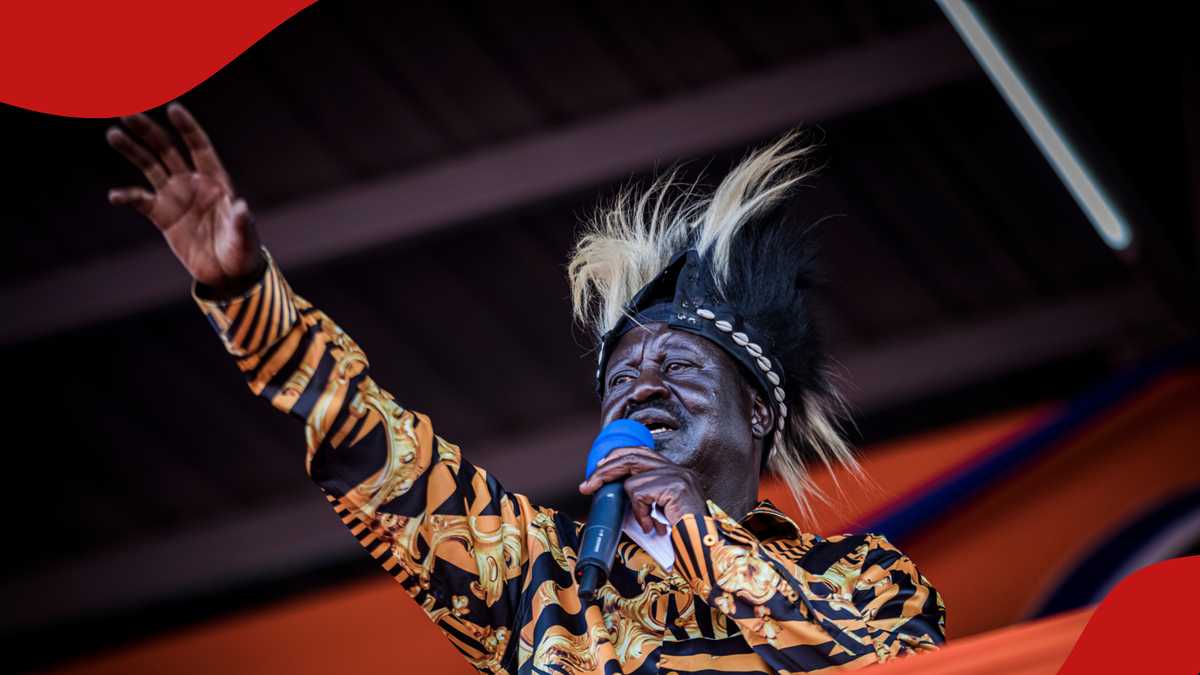
The Political Void Left by Raila Odinga in Luo Nyanza
Raila Odinga’s passing has created a significant void in the political landscape of Luo Nyanza, leaving the region grappling with uncertainty and redefining its future. Across Kisumu, Siaya, Homa Bay, and Migori, grief has turned into anxiety, with some supporters expressing doubts about their political engagement moving forward.
Political analyst Philip Wanyonyi highlights that Raila’s death has not only reshaped Nyanza politics but also impacted national dynamics. His influence was so profound that it shaped the region’s political direction for decades, keeping its opposition spirit alive. Now, with his absence, many are questioning who will take up the mantle and how the region will navigate the upcoming 2027 General Election.
Emotional Attachments and Political Shifts
For many in Luo Nyanza, Raila was more than just a political figure—he was a symbol of resistance and unity. His long-standing presence in Kenyan politics, from the struggle for multiparty democracy in the 1990s to his five presidential bids between 1997 and 2022, anchored the region’s political choices. Even in defeat, Raila’s message united millions under the Orange Democratic Movement (ODM) banner, solidifying the region as an opposition stronghold.
However, the 2027 elections present a unique challenge. Without Raila’s influence, questions remain about who will inherit his loyal base and whether the region will maintain its turnout for a single candidate. Some lifelong supporters feel detached from the coming contest, leading to fears of voter apathy and fragmentation.
Voices of Disillusionment
Vicente Otieno, a student, expressed his deep emotional attachment to Raila, stating, “I’ve always known Raila since I started voting in 2017. I’ve never considered anyone else even if Raila is raised from the dead today, I’ll vote for him.” Such sentiments reflect the emotional ties that defined Luo Nyanza’s politics for over three decades.
Kennedy Omondi from Ugunja echoed similar feelings, saying, “Why should I vote when Raila is no longer there? All these years, I’ve only ever voted for Raila. This time, the country should be left to Gen Z to decide the way forward.” These statements highlight a growing sense of political fatigue among lifelong supporters who tied their participation to Raila’s journey.
Ruto’s Strategic Moves
President William Ruto has been quick to court the Nyanza vote, recognizing the need to secure support in a region that once served as a traditional opposition stronghold. His broad-based government strategy, which included Raila’s endorsement of the unity framework before his death, was a calculated attempt to neutralize the opposition and pull Luo Nyanza closer to the ruling coalition.
Ruto’s overtures were initially met with skepticism, but they have gradually gained traction, especially among leaders seeking partnerships and political survival. Philip Wanyonyi, a political analyst and human rights defender, believes that Raila’s death has not only altered Luo politics but also reshaped the national balance.
Raila’s Final Political Strategy
Raila’s political life was marked by defiance and resilience, but his final acts seemed to be guided by pragmatism. His decision to support the broad-based government, once unimaginable, was a masterstroke of survival. It allowed him to protect ODM’s structure and ensure his legacy outlived his political career.
Wanyonyi suggests that Raila’s gradual withdrawal was misunderstood by many of his loyalists, who viewed his cooperation with Ruto as betrayal. However, Raila understood that his time was up and prepared the party for future survival. He believed that by focusing on coalition-building, ODM could participate in national governance while building strength for future elections.
Internal Struggles Within ODM
Raila’s absence has intensified internal jostling within ODM, with younger leaders such as Nairobi senator Edwin Sifuna, Embakasi East MP Babu Owino, and Saboti MP Caleb Amisi emerging as vocal figures. These leaders are positioning themselves as heirs to the opposition mantle, but their approach often clashes with Raila’s long-term vision.
While he favored a gradual transition through coalition-building, the youth demand immediate change and independence from the government. According to Wanyonyi, these young leaders are influenced by internal power dynamics and personal ambitions. Some of them secretly resisted Raila’s bid for the African Union Commission (AUC) chair, viewing it as an opportunity to seize control of the party.

This internal tension could determine ODM and Nyanza’s political fate in the years leading up to the next polls. As the region navigates this uncertain period, the question remains: who will step up to fill the void left by Raila Odinga?


