
Treasure finds in England have reached a record high, with some of the most unusual items ever discovered making headlines. Among these are a lamp shaped like a human foot and an earwax scoop, which have captured the imagination of historians and enthusiasts alike.
According to provisional government data recorded by the British Museum’s Portable Antiquities Scheme, 1,446 discoveries were made in England in 2024—an increase from 1,266 in the previous year. These findings include multiple items, and eastern England has emerged as a hotspot for such discoveries, with 388 finds recorded last year alone.
Metal detectorists play a significant role in uncovering these treasures. Emma Youell, one such enthusiast, estimates that she has found thousands of artifacts over the years. She describes herself as a “massive history nerd” and emphasizes the value of recording her finds, which contributes to our understanding of the past.
Emma recalls finding a hammered coin featuring Henry VIII’s portrait, taking her back to the Tudor era. She also discovered gold coins from Iron Age tribes, dating back approximately 2,000 years. Her passion for history is evident in every find she makes.
For the first time, the 2024 findings include two objects that meet a new definition of treasure. Previously, treasure had to be at least 300 years old and made of precious metals or part of a hoard. However, from July 2023, this definition was expanded to include objects at least 200 years old if they are deemed to have outstanding historical, archaeological, or cultural significance, regardless of the material they are made from.
The 2024 provisional figures also show 85 additional treasure finds in Wales and nine in Northern Ireland, where there are stricter regulations on searching for archaeological objects. Scotland has its own separate law for treasure trove, so its figures are not included in the data.
Viking King’s Coin
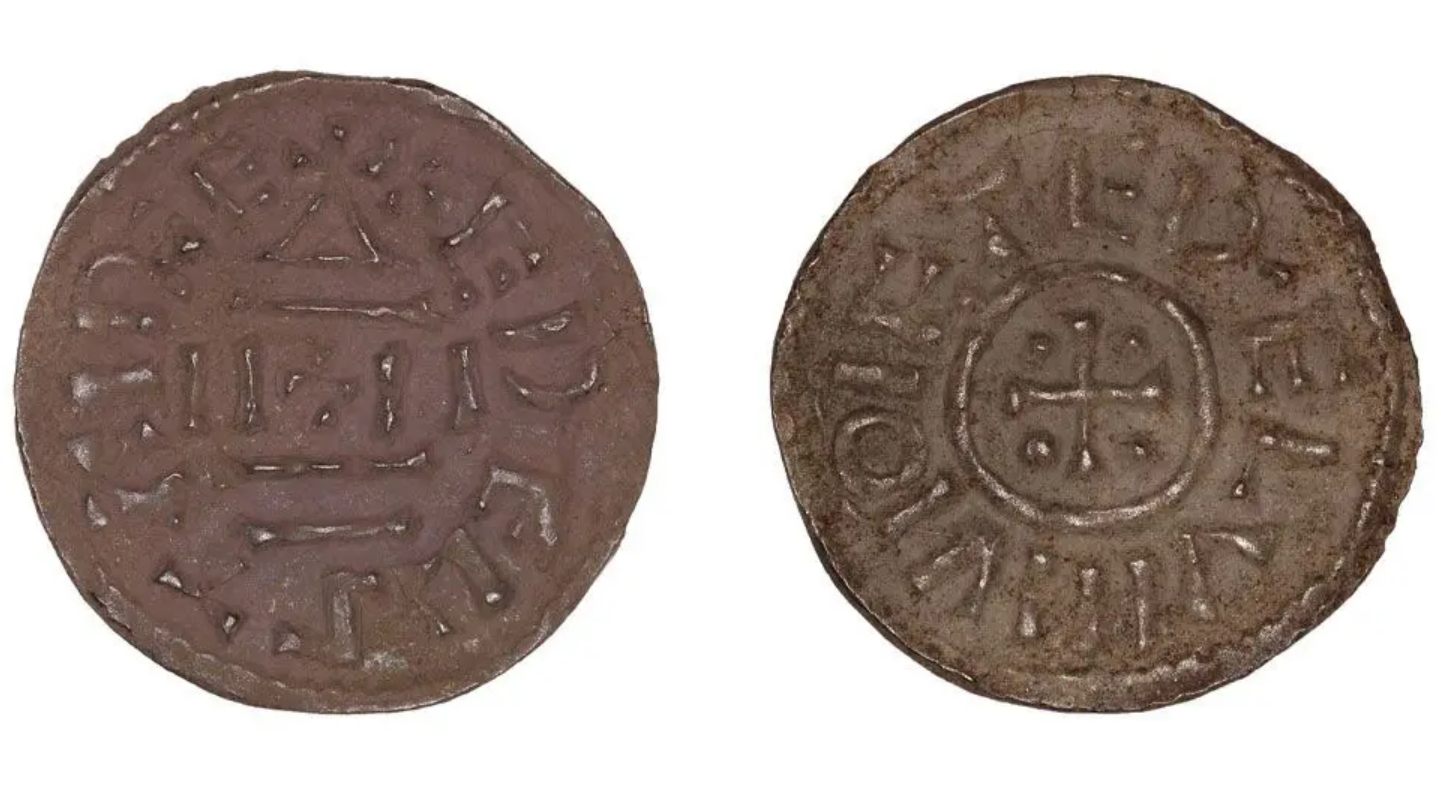
One of the most notable finds under the new definition is a 9th-century penny from Norfolk, England—the country’s treasure capital. Norfolk recorded 138 finds in 2024, the highest number of any county. Dr. Helen Geake, a finds liaison officer in Norfolk, suggests that the area may be the richest in terms of discoveries due to its arable fields, historical population density, and strong collaboration between detectorists and archaeologists.
“This is the first official coin issued by Aethelstan,” Dr. Geake said. “A proper government coin.” It was minted by a Viking warlord after he converted to Christianity and became known as Aethelstan II. This coin symbolizes a shift from the image of Vikings as raiders to that of peaceful settlers.
“A lot of people think of Vikings as being raiders and pillagers who attacked monasteries, but this coin shows how they evolved into more settled communities,” she added.
A Lamp Shaped Like a Human Foot
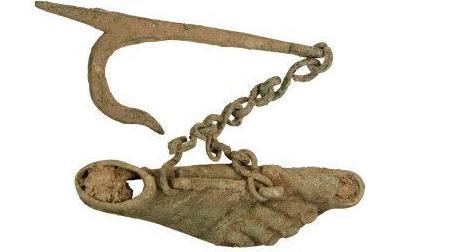
Another unique find is a Roman copper alloy lamp in the shape of a sandaled foot, discovered in Kent. According to the Portable Antiquities Scheme, this is the first known example of its kind found in Britain. The lamp was uncovered by a study group exploring what is believed to be a small Roman fort.
Dr. Geake described it as “the most astonishing thing.” Roman foot-shaped artifacts are associated with the cult of Isis and were also used as novelty items. Their meaning and purpose remain a topic of interest among historians.
An Earwax Scoop
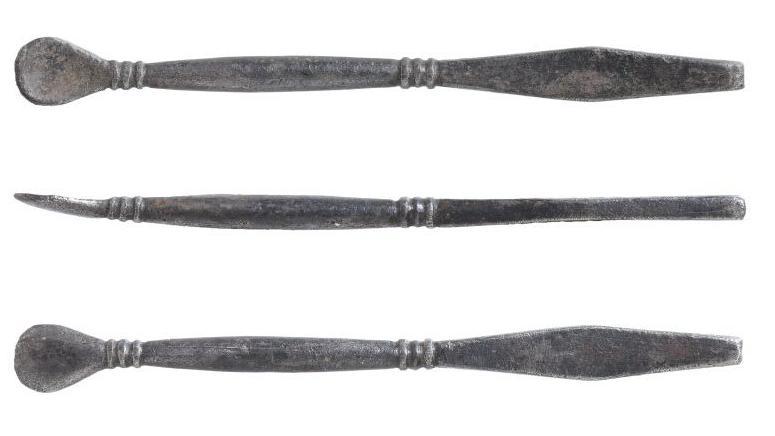
Among Dr. Geake’s favorite finds is a Roman ear scoop, used to remove earwax. “It’s fascinating to think about how someone used this object,” she said. “It brings you into a strange, personal connection with the person who owned it.”
She believes that these personal items offer a unique glimpse into the lives of those who lived centuries ago. “When I record objects like this, I feel like I have the best job in the world,” she said.
“My Husband Knows I’m a Massive History Nerd”
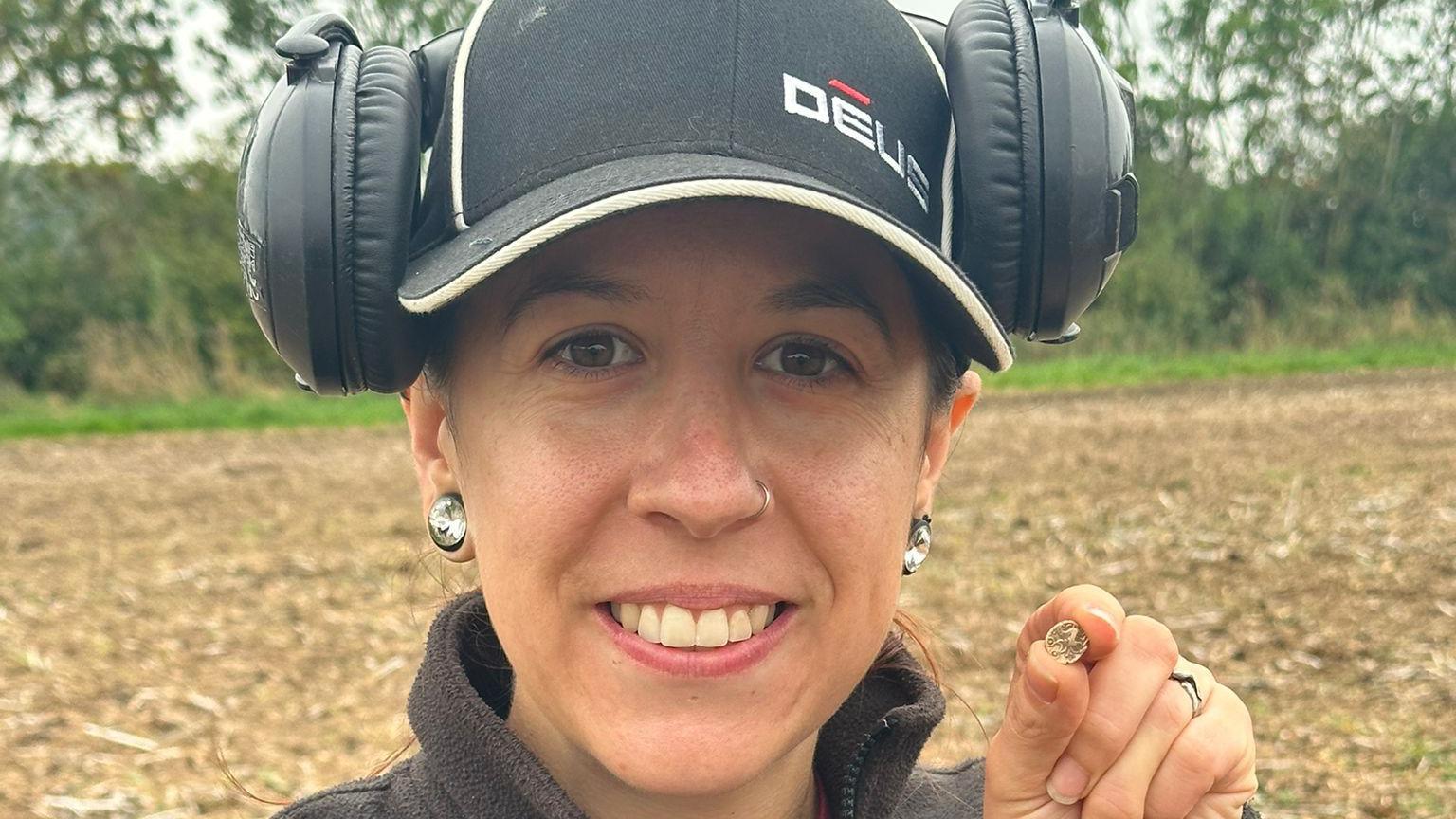
Emma Youell has been metal detecting nearly every weekend for the past 12 years. As the youngest member of her detecting group and one of the few women, she has seen a growing interest in the hobby, especially among younger people and women.
She now helps run a Facebook group for female detectorists and uses her camper van to travel across the country. “My husband knows I’m a massive history nerd. He’s very happy for me to go off on a Sunday and do my thing. It’s just what I love to do.”
Emma enjoys participating in “weekenders”—camping on farms with fellow detectorists and the farmer’s permission, from Friday until Sunday. These events often involve barbecues and socializing, allowing people to form lasting friendships across the UK.
Dr. Geake believes the rise in treasure finds can be attributed to more detectorists, better awareness of the importance of reporting finds, and the impact of farming activities on archaeological sites. “You can’t blame a farmer for ploughing up an archaeological site they didn’t know was there,” she said. “There are pressures on small farms, and discussions with landowners, archaeologists, and the public are essential to preserving our historic environment.”
“We Have This Conception of Treasure – But We Shouldn’t Get Blighted by That”
Julian Evan-Hart, editor of Treasure Hunting magazine, has had his finds displayed in museums. However, one of his favorite aspects of the hobby is reuniting people with sentimental objects. He has found wedding rings, baby jewelry, and even a plane cap badge belonging to an elderly woman whose father crashed a plane decades earlier.
“This was a tiny crumpled piece of copper—worth nothing intrinsically, but priceless to the daughter,” he said. “We have this idea of treasure being gold and silver, but we shouldn’t be blinded by that. The tiniest object can mean more to someone than anything else.”
In 2023, 1,358 treasure finds were initially recorded, later adjusted to 1,343. These numbers represent 32,768 individual artefacts. The 2024 provisional figures will be confirmed in 2026, along with the total number of artefacts they include.
Additional reporting by Jonathan Fagg


