The Legal Battle Over the Chagos Islands
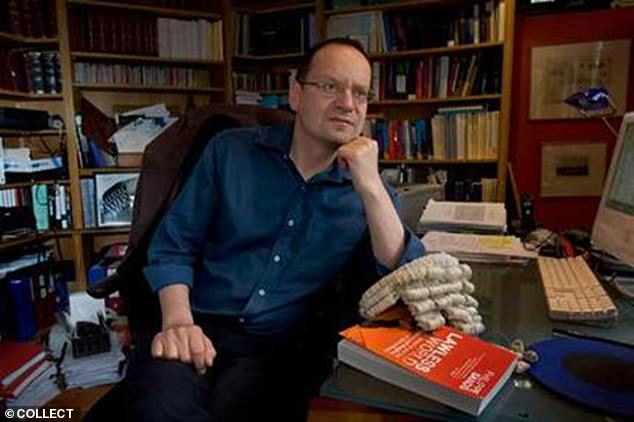
The legal case that led to Britain’s decision to transfer sovereignty of the Chagos Islands has been a significant and symbolic moment in international law. Central to this case is the human rights lawyer Philippe Sands, whose role has sparked considerable debate and controversy.
Sands, known for his earnest and reassuring presence, was seen in 2022 with a smile as the Mauritian flag was raised over the Indian Ocean territory. A year later, he expressed satisfaction with the outcome of an international court case against his own country, which he described as a complete humiliation for Britain. This victory, however, has come with a hefty financial reward.
According to recent reports, Sands received a share of an £8 million pot from his former position as chief legal counsel to Mauritius. In the world of international jurisprudence, this is a substantial sum. Colleagues have remarked that it is “nice work if you can get it.” Additionally, Sands was granted Mauritian citizenship and received various civilian honors.
The Controversial Deal
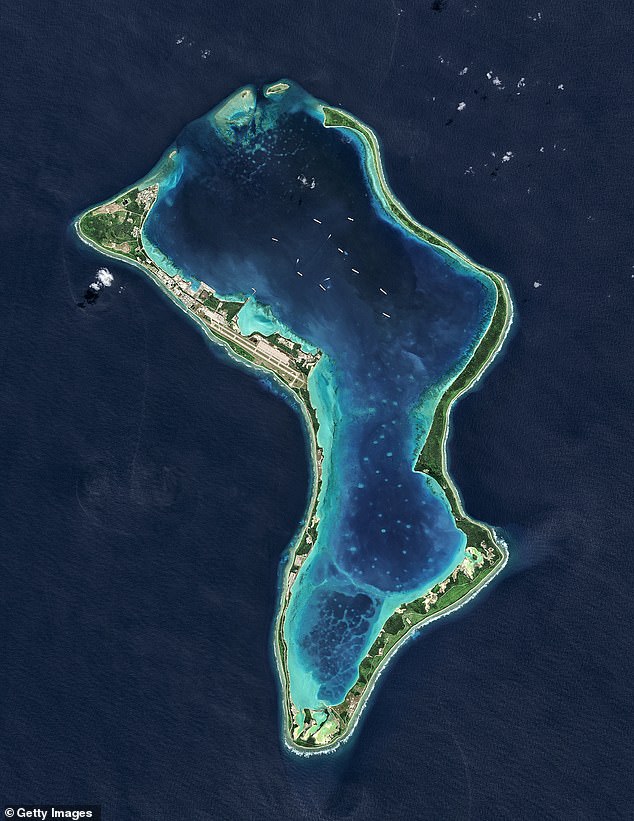
The deal involves Britain handing over the Chagos Islands while leasing the strategically important Diego Garcia military base for 99 years at a cost of £35 billion. This decision has caused concern, particularly due to the influence of China in the affairs of Mauritius.
Despite the financial burden on Britain’s already strained defense budget, Sands has framed the transfer as a personal crusade. Friends claim he was surprised by the public reaction to his payout, as though it were a trivial matter. In a House of Lords committee, Sands stated that he was remunerated for his work, not doing it pro bono. He emphasized that ridding Britain of what he called its “last colony” was also a key motivation.
Ideological Alignment and Influence
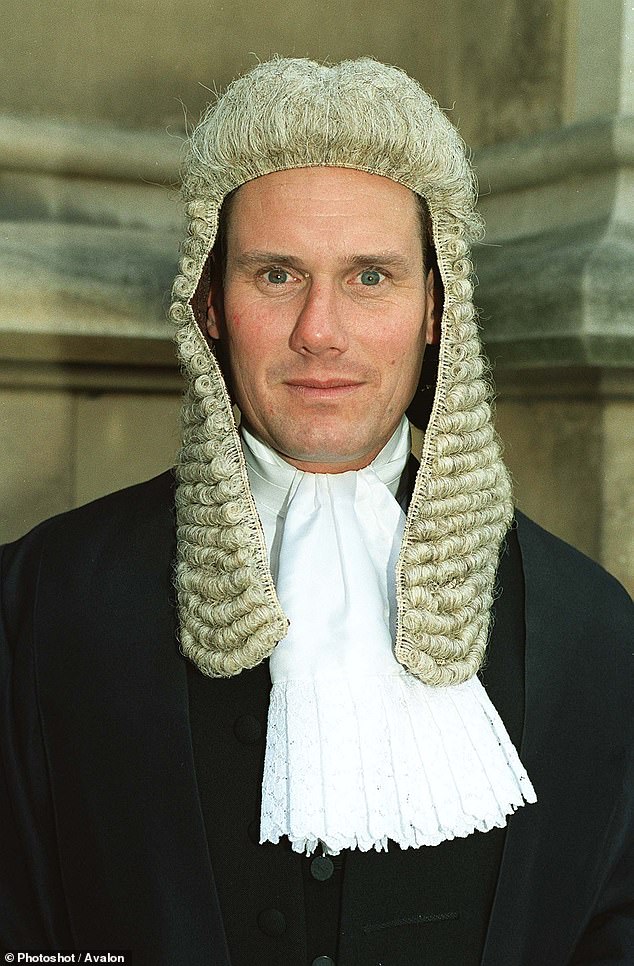
Professor Sands, who holds an academic post at University College London, has built his career around a doctrine that prioritizes international justice over national interests. He is part of a group of legal minds that includes Lord Hermer, the Attorney General, and Prime Minister Sir Keir Starmer. Sands volunteered for Starmer’s campaign and has described him as a “great friend.”
These individuals are associated with Matrix Chambers, a firm known for its left-wing civil liberties advocacy. Sands co-founded the firm in 2000 and has been involved in high-profile cases, including accusing Tony Blair of being a war criminal over the Iraq invasion.
Public Perception and Criticism
While Sands is celebrated for his intellect and contributions, he is also a polarizing figure. Labour MP Graham Stringer criticized him as a “mercenary” for representing foreign interests. Stringer accused Sands of pretending to care about rights while pushing for Mauritian control over the Chagossians, who he claims do not want it.
Shadow foreign Secretary Dame Priti Patel echoed similar sentiments, calling Sands a traitor who sells out the country. These criticisms highlight the contentious nature of the Chagos transfer decision.
Political and Strategic Implications
The decision to hand over the Chagos Islands has been justified as part of decolonization efforts. However, some argue that not all Chagossians wish for Mauritian control. They emphasize the distinct history, faith, and culture of the Chagossian people, who see Mauritius as another colonial power.
Donald Trump’s mixed reactions to the deal further complicated the situation. His comments ranged from calling it an “act of great stupidity” to praising it as the best move possible. These inconsistencies reflect the broader uncertainty surrounding the decision.
Personal Life and Legacy
Despite the controversies, Sands remains a prominent figure in legal and academic circles. He is described as a “man for all seasons” in legal publications, highlighting his diverse achievements as a writer, podcaster, and expert speaker.
However, Sands’ Who’s Who entry omits his education at University College School, a fee-paying institution in Hampstead. Left-wingers view such schools as symbols of Tory elitism, making this omission noteworthy.
Born into a middle-class family, Sands grew up in Hampstead and now lives there with his wife and three children. He credits a politics teacher for inspiring his passion for justice. While he has criticized Conservative leaders like Boris Johnson, he remains focused on issues like the consequences of the Iraq and Afghanistan invasions.
Literary Contributions and Personal Connections
Sands has written extensively on genocide and crimes against humanity, winning the UK’s top non-fiction prize for his book East West Street. He has also collaborated with spy writer John le Carré, sharing a skepticism of the Iraq war. Their friendship influenced Sands’ approach to storytelling and legal arguments.
In interviews, Sands reflects on his experiences, including witnessing the aftermath of the 9/11 attacks. He emphasizes the importance of learning from past mistakes, particularly the flawed decisions following the attacks.
Conclusion
The Chagos Islands transfer remains a contentious issue, with ongoing debates about its political and strategic implications. As Sands continues to advocate for international justice, the legacy of this decision will likely be debated for years to come. Whether it will be seen as a triumph of justice or an act of political and strategic vandalism remains to be seen.