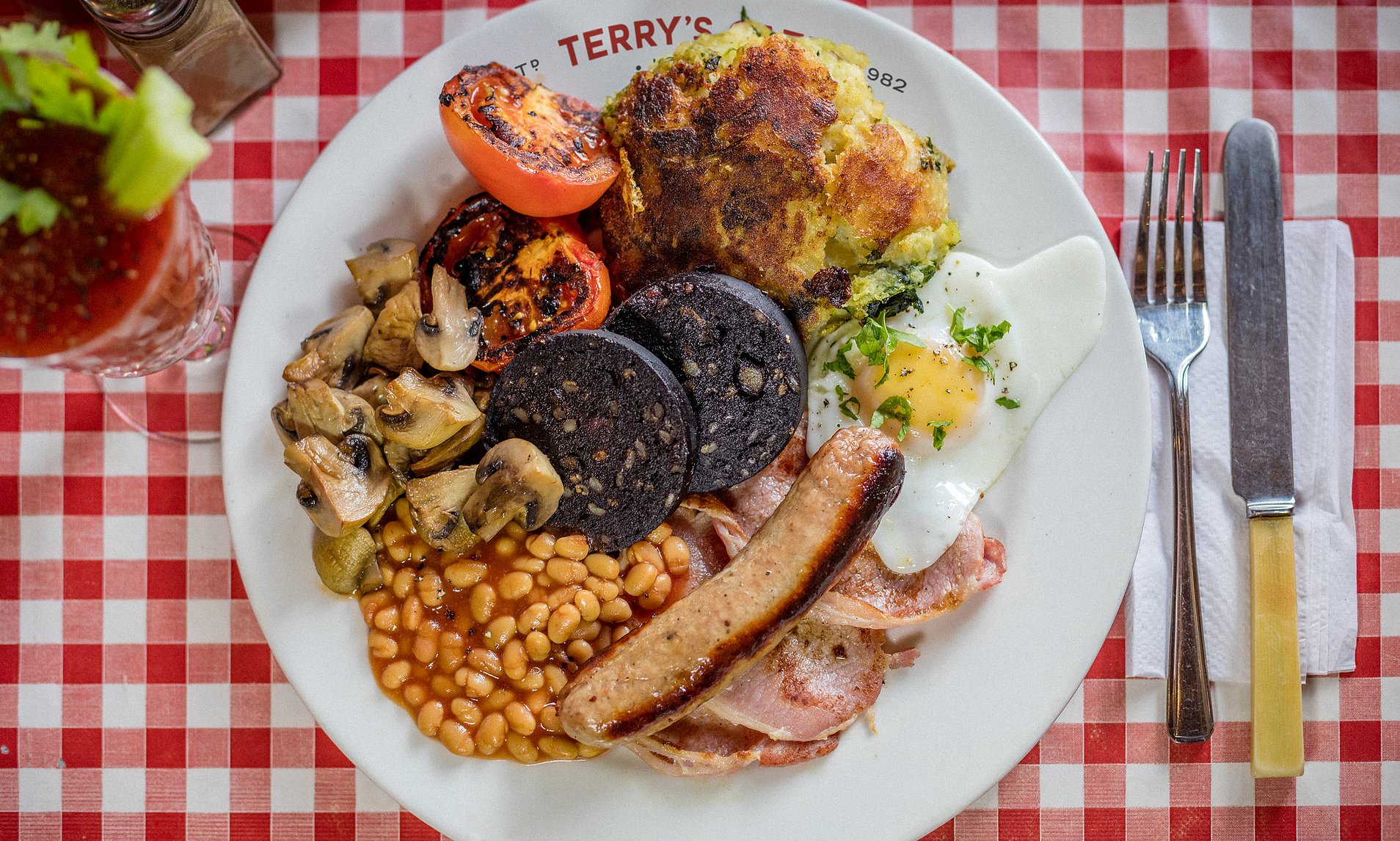
The Threat to the Full English Breakfast
Keir Starmer, the Prime Minister of the United Kingdom, has faced criticism for allegedly endangering the traditional full English breakfast. The rising costs of essential ingredients such as eggs, bacon, and sausages have sparked concerns among both politicians and business owners. This issue has become a focal point in the ongoing debate over the economic policies of the current government.
A Tory MP, Mark Pritchard, recently criticized the government during a session in the House of Commons, warning that the disappearance of the full English breakfast from high streets would not be easily forgiven. He highlighted the significant price increases across various food items, stating that mushrooms, bacon, eggs, sausages, bread, tea, and milk have all seen substantial hikes. These price surges pose a real threat to the beloved British fry-up, which is an integral part of the high street experience.
According to data analyzed by the Daily Mail, the cost of a dozen eggs has risen from £3.23 in June 2024 to £3.38 in September. Similarly, a kilo of sausages has increased from £6.62 to £6.88. Milk prices have also gone up by 2p, while teabags have seen a 15p increase. However, there was a slight decrease in the price of bacon, which dropped from £8.47 to £8.34 per kilo.
The rising costs have had a significant impact on small businesses, particularly cafes. Austin Yardley, the owner of Terry’s cafe in London, has experienced a 10% surge in food costs following the previous year’s Budget. He now charges £17.50 for his largest fry-up, which includes a variety of traditional items. Despite the high demand, he admits that making a profit has become increasingly difficult.
Yardley, who took over the cafe after his father’s passing in 2010, believes that the quality of the English fry-up is undervalued. He regularly receives complaints from customers about the price, but he remains committed to maintaining the quality of his offerings. He has already raised prices by £1 across the menu and warns that further increases may be necessary in the new year.

When asked about potential future Budget changes, Yardley expressed his willingness to adapt, stating that he is grateful for the business and determined to continue his legacy. His sentiment reflects the resilience of many small business owners facing economic challenges.
The issue of rising costs has prompted the Conservatives to call for the abolition of business rates for thousands of retail, hospitality, and leisure premises. Shadow business secretary Andrew Griffith proposed a 100% rates relief for these sectors, aiming to alleviate the financial burden on businesses.
Communities minister Miatta Fahnbulleh acknowledged the pressure on businesses, attributing it to years of stagnant productivity and economic growth. She emphasized the need for action to address these challenges.
Sarah Olney, the Liberal Democrats’ business spokeswoman, called for urgent measures to reduce energy bills and improve the business environment. She advocated for breaking the link between gas and electricity prices and suggested negotiating a new customs union with the EU to support small businesses.
Earlier this week, Treasury minister Dan Tomlinson indicated that some high street businesses might pay less in business rates following the upcoming Budget. However, a Conservative motion to abolish business rates for high street premises was rejected, highlighting the complexity of the issue.

As the debate continues, questions remain about the future of the high street and the impact of business rates reforms. The challenge lies in finding a balance between supporting local businesses and addressing the broader economic challenges facing the UK. The outcome of these discussions will play a crucial role in shaping the future of the high street and the economy as a whole.


