President Samia Suluhu Hassan’s Bold Move to Release Youth Accused of Treason
Tanzanian President Samia Suluhu Hassan made a significant announcement on Friday, ordering the release of nearly 500 young people who were facing treason charges for participating in anti-government demonstrations during the October 29 General Election. This decision was seen as a strategic move to connect with a crucial demographic of the country’s population, especially during the early stages of her final term in office.
In a speech that was highly anticipated by the public, which was still recovering from the aftermath of violent clashes between demonstrators and state security forces, President Samia emphasized that most of the accused individuals “did not know what they were doing” and were simply “going with the flow.” She expressed her belief that the youth are the builders of the nation, not its destroyers, and urged prosecutors to evaluate each case individually before making decisions.
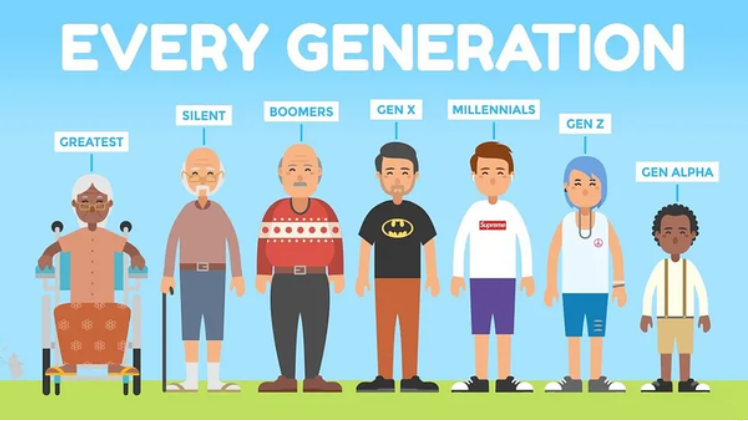
The crackdown on Gen Z protesters resulted in a tragic death toll, estimated to be in the hundreds or even thousands, although the government has yet to release official statistics. The president acknowledged the gravity of the situation, outlining new initiatives aimed at addressing youth concerns, including the establishment of a dedicated ministry and a special unit within her office focused on job creation and income generation.
Governance Reforms and Reconciliation Efforts
President Samia also addressed broader governance reforms that had been highlighted by the protests. She mentioned that a team of inquiry had been formed to investigate the election-related chaos, with the aim of restarting dialogue with the opposition. “Since Tanzanians have now given me a fresh mandate, I will not tire of extending my hand of reconciliation to my political rivals,” she stated, emphasizing the importance of using Tanzanian norms and traditions rather than external pressures.
Despite her firm stance on international relations, the real challenge for Samia lies in whether she will maintain or soften her current hardline approach towards critics of her regime and the opposition demands for reforms.
Strategic Appointment of Mwigulu Nchemba
To reassure investors and development partners about the legitimacy of the disputed election, President Samia elevated her former finance minister, Mwigulu Nchemba, to the position of prime minister. This appointment is seen as a strategic move to restore confidence in her administration as she begins her second and final term in office.
Dr. Nchemba, a 50-year-old PhD holder in economics, has been instrumental in promoting economic diplomacy on the global stage. His experience and exposure as finance minister gave him an edge over other potential candidates, and he is expected to play a key role in addressing the fallout from Tanzania’s most controversial election.
Economic Development and Infrastructure Priorities
President Samia outlined several priorities for her government, including fast-tracking economic development, infrastructure, and services, while upholding justice and maintaining peace and political stability. By 2030, her government aims to construct new roads, interchanges, bridges, and flyovers in Dar es Salaam and key areas across Tanzania, targeting to attract more investments in shipping and cargo transport business.
A new standard gauge railway (SGR) connecting Tanga port on the Indian Ocean to Musoma in Lake Victoria is also part of the plan, expected to promote trade between Tanzania and neighboring countries such as Malawi, Zambia, and the Democratic Republic of Congo (DRC). Cooperation with Zambia to modernize the Tanzania and Zambia Railway (Tazara) is another priority.
Focus on Key Sectors and Tourism Growth
Other priorities include the procurement of eight new aircraft for Air Tanzania, construction of new airports in northwestern Tanzania, and investment in Information and Communication Technology (ICT) to drive digital transformation and industrial growth. Manufacturing, tourism, and finance sectors are set to be top economic drivers by 2030.
Tourism is also a major focus, with the goal of increasing the number of visitors from the current 5.6 million to eight million in the next five years through marketing and business innovation, wildlife conservation, and a marketing blitz in Europe, America, and other key global tourist markets.
Healthcare and Water Infrastructure
Healthcare infrastructure and universal access to health services are also among the government’s priorities. President Samia pledged to expand health insurance coverage, upgrade medical facilities, and ensure fair service delivery, particularly for rural and economically disadvantaged communities.
Additionally, the government plans to construct a national water grid to distribute water nationwide and build the Kidunda Dam to supply water in Dar es Salaam and the Coast Region for domestic and industrial uses.
New Cabinet Formation and Future Challenges
The formation of a new cabinet of ministers under Dr. Nchemba is expected to provide further insight into how the administration intends to address the challenges ahead. The new cabinet is anticipated to be announced within a week, marking a significant step forward for President Samia’s government as it seeks to regain its footing on both the domestic and international fronts.


