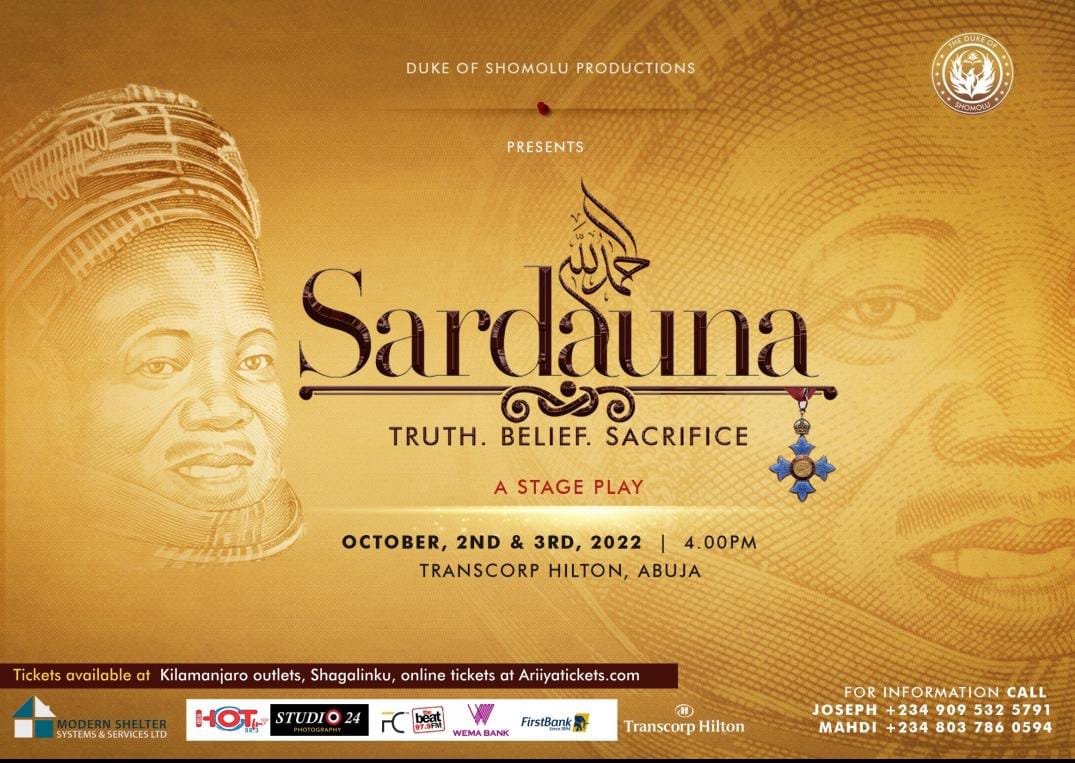
The Legacy of Sardauna: A Model of Leadership in Northern Nigeria
Sardauna stands as a prime example of how preparation and opportunity can converge to create effective political leadership. Unlike many who inherited power, he was not born into a position of authority but rather cultivated his leadership skills through active learning. His time at Katsina College provided him with a foundation that colonial policies had designed for the school to impart—advanced studies, administration, discipline, and a deep understanding of the leadership framework needed for northern Nigeria’s future.
In contrast, today’s northern governors represent a mixed bag of leadership styles. Some have risen to power without adequate preparation, while others seem to be caught between luck and responsibility. There are also those who demonstrate the dangers of opportunism when faced with reality. Although there have been a few competent governors since 1999, the overall trend has been one of under-preparation and under-performance.
Sardauna understood the shifting dynamics of his era and the demands it placed on leaders. He recognized that the aristocracy he belonged to was no longer the sole force in governance and that the old world of religion and tradition had to find common ground with the new world of modernity. He positioned himself as a bridge between these two worlds, advocating for harmony rather than conflict. Unfortunately, contemporary newspapers and political commentators often mischaracterized this balanced approach as “conservative,” when in fact, it was ahead of its time in terms of liberalism.
Another notable leader, Bello, had a clear sense of purpose. He identified the unique challenges facing the northern region and understood that these issues were distinct from those in other parts of Nigeria. He recognized that the north lagged behind in education, infrastructure, and economic development. To address this, Sardauna prioritized education, aiming to train enough civil servants, military officers, and professionals to build a strong foundation for the region. Initiatives like the Bank of the North were ambitious and remain some of the most significant efforts in the region to foster a private sector.
Today, many northern governors focus on constructing unnecessary infrastructure, such as flyovers and bridges, even where they are not needed. This misplaced investment highlights a deeper issue of leadership malaise. Unlike Sardauna, who became an expert in multiple fields—from agriculture to industry, taxation to health—modern governors often lack the broad-based education necessary to lead effectively. Their isolation from the people they serve and their lack of mission or purpose further exacerbate this problem.
As northern Premier, Sardauna made it a priority to engage with everyone, from farmers to extension workers and marketing board members. While data was scarce at the time, sincerity and purpose were abundant. He believed that his position was not for personal vanity but for the service of the people. His commitment to public service was so profound that those who worked with him carried that same dedication to their graves.
This sense of purpose is notably absent in many current northern governors. They often fail to inspire trust or belief among the people they lead. Instead, some have become agents of division, fostering sectarian tensions that have led to violence and unrest. The cultural and political diversity of the north, which Sardauna understood and respected, remains a challenge today. He emphasized mutual respect, compromise, and justice, ensuring that development projects served the greater good rather than favoring specific regions.
Sardauna’s model of leadership was one of unity amid diversity. He feared the politicization of religion, which did not occur during his tenure. However, in recent years, many governors have contributed to the spread of sectarian hate, leaving open wounds that continue to fester.
While we cannot bring back Sardauna or the northern region of his time, we can certainly learn from his legacy. For any northern governor seeking to lead effectively, there is much to be gained from studying the principles he upheld. His model of cultural harmony and political diversity offers a path forward, one that could help heal the divisions that still plague the region.


