The Rise of the Alternative Luxury Economy in Southeast Asia
In today’s economic climate, where liquidity and luxury are no longer aligned, many individuals across Southeast Asia are finding innovative ways to maintain their aspirational lifestyles while managing their finances. From Bangkok to Jakarta, instalment plans, online resale markets, and live-streamed bargains are bridging the gap between what people desire and what they can afford.
Jirapun Ngam, a 42-year-old property agent from Bangkok, exemplifies this trend. She relies on instalment plans to purchase designer goods, allowing her to keep cash available for real estate investments. “I need cash to invest in my business, but I also want luxury items,” she said. “With instalment plans, I get the product immediately and pay it off monthly with only a small amount of interest.” Her approach reflects a broader shift among Southeast Asia’s middle class, who are unwilling to let their tastes decouple from the super-rich despite economic challenges.
Reshaping Luxury Consumption
The alternative luxury economy is evolving as consumers seek more flexible and affordable options. Mariella Merlino, a luxury commercial and merchandising executive, notes that this market is “resilient rather than immune” to economic headwinds. “The higher end of the customer base remains strong, while more aspirational consumption is more exposed to macroeconomic pressure.”
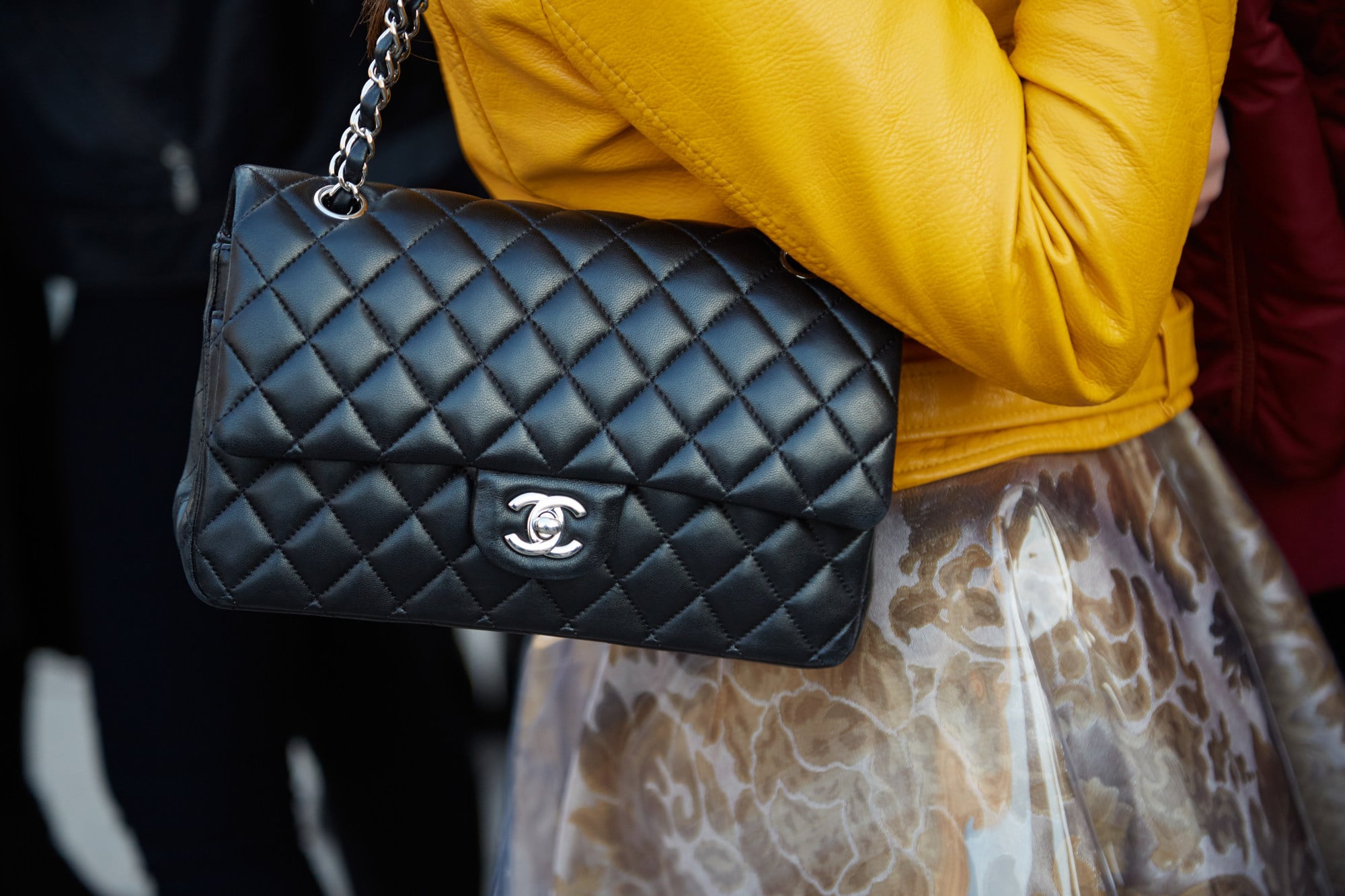
Even in times of belt-tightening, setting luxury aside can be difficult. Jirapun believes that items like the Coco Chanel Classic bag and Rolex watches lend a “polished and distinguished image” to her and her husband. “Could I afford to buy them without financing? Absolutely. But this makes more sense.”
Economic Shifts and Luxury Trends
Similar forces that are squeezing household spending have reshaped how governments plot their economic plans for the coming months. In Southeast Asia, luxury has become a bellwether of confidence, holding firm from Jakarta to Ho Chi Minh City and growing in the region’s bling capital, Singapore.
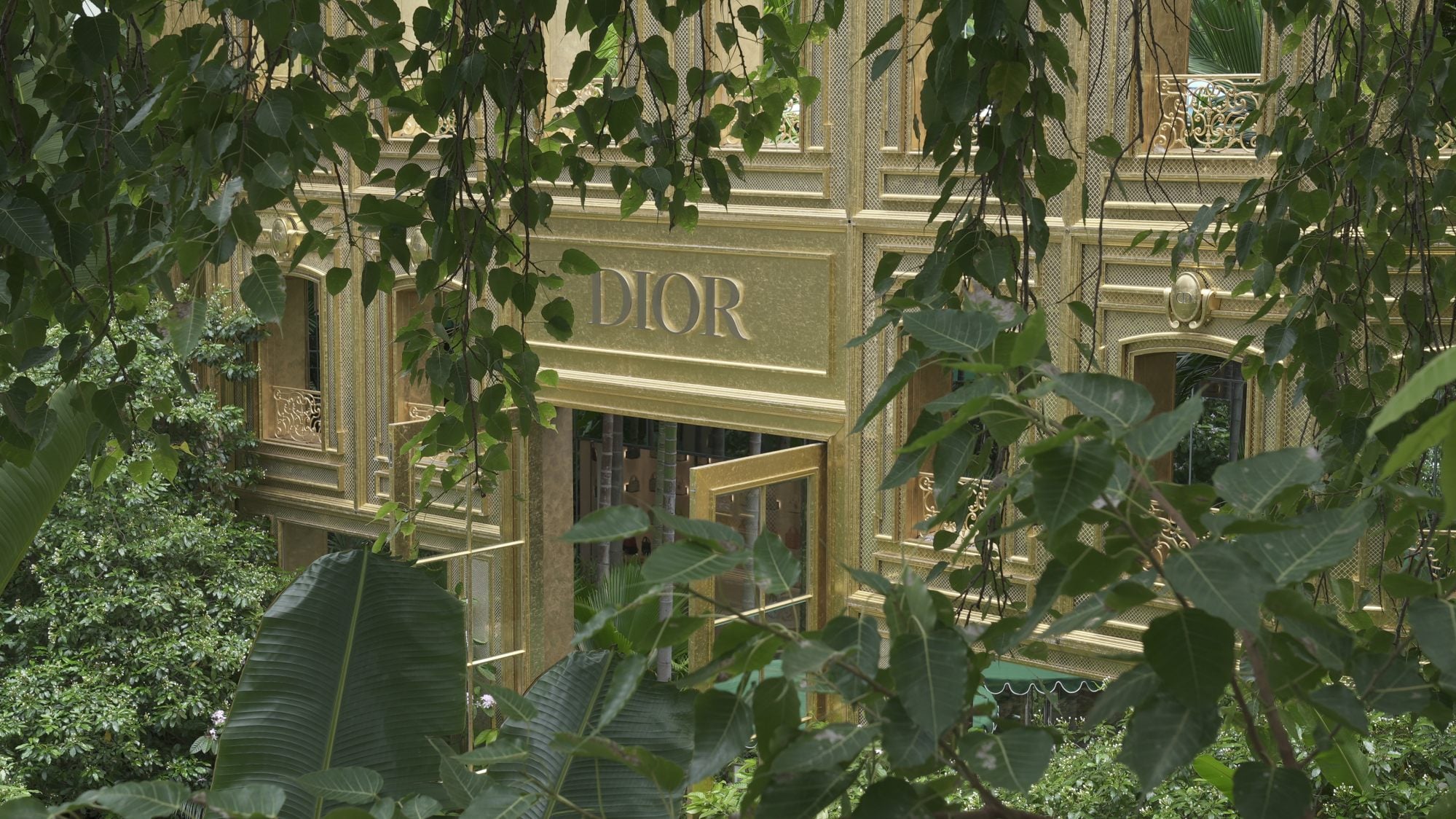
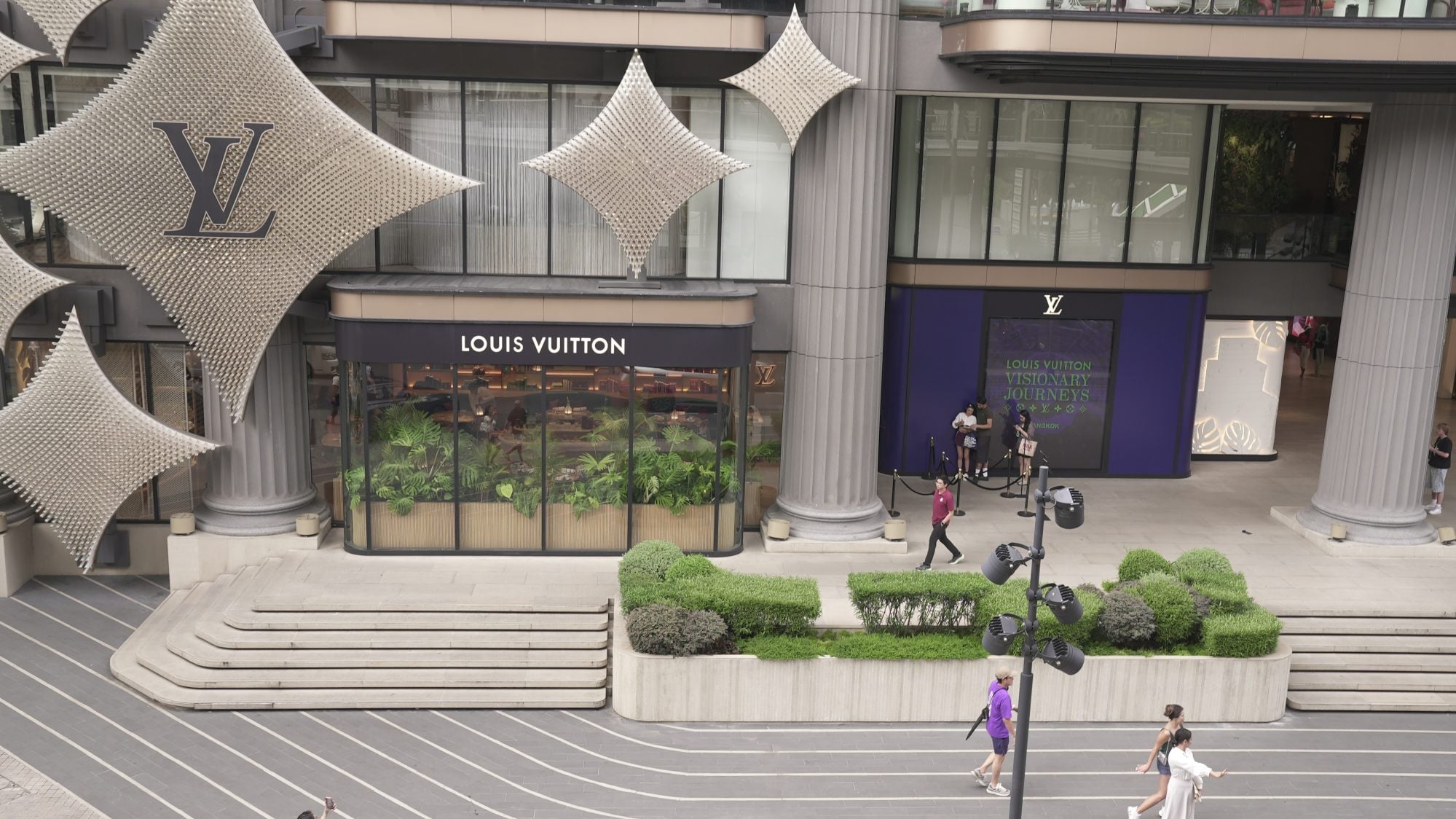
In Bangkok, top brands have clustered around the money. Louis Vuitton and Dior have opened concept stores, with the latter establishing a garish “Gold House” in downtown Chidlom. These developments reflect a belief in the future of Thailand’s luxury retail sector, which is estimated at around US$4.4 billion and expected to grow by 5 per cent each year for the next two to three years.
The Role of Second-Hand Markets
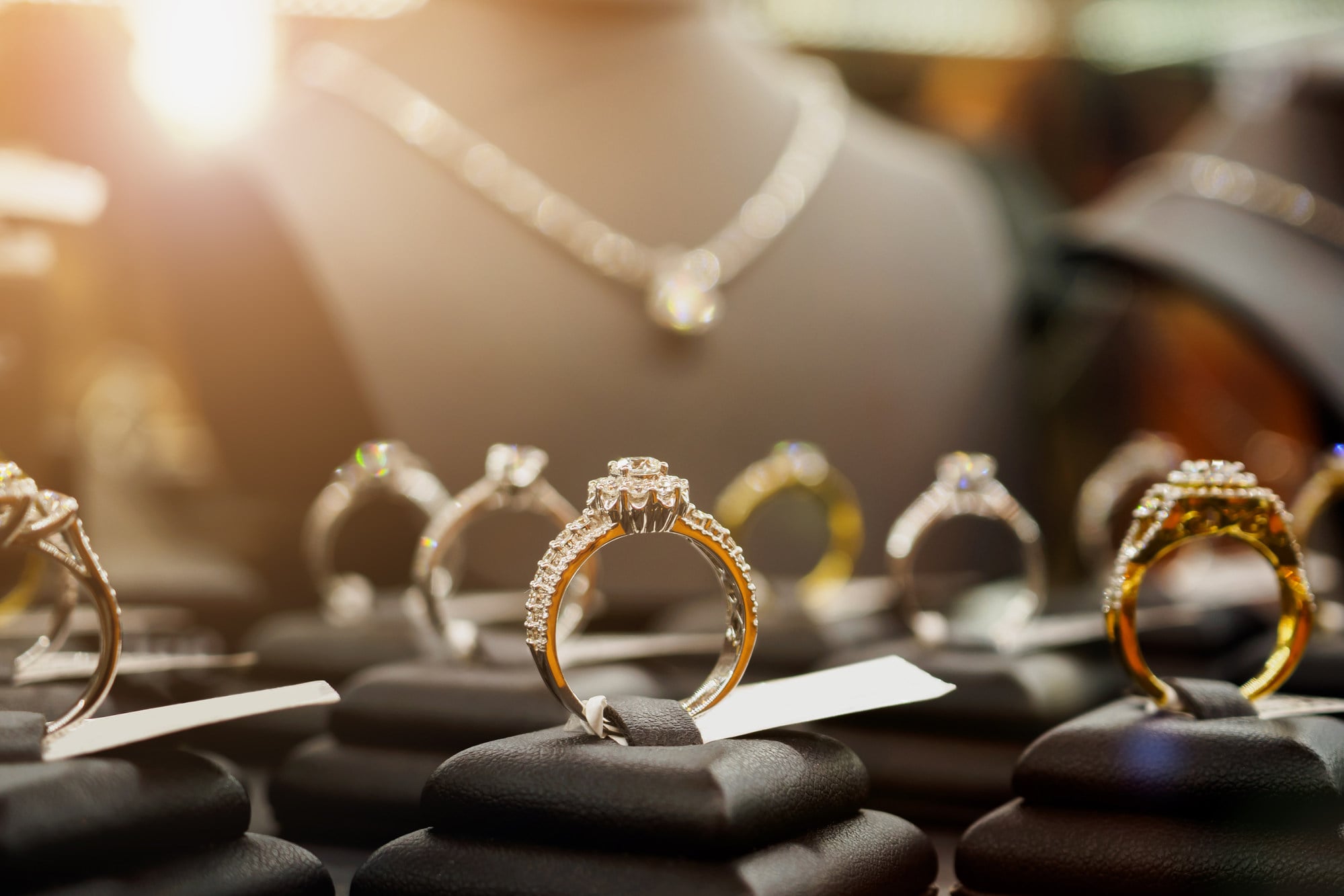
Wealth experts suggest that the thriving second-hand and resale market for luxury goods points to multiple layers of demand in Southeast Asia. Paphon Manaspakorn, CEO of Brandname Money, says credit and collateral are proving a lucrative entry point to the luxury market. His company has issued around 200 million baht (US$6 million) in loans for bags, watches, and jewellery, with down payments of 30-50 per cent of the item’s value.
“People are completely open and accustomed to paying in instalments,” he said. “The taboo of today’s society may be not having the item, rather than how you got it.” Customers pay back at reasonable, legal rates of under 12 per cent, he adds, insisting there is none of the strong-arming associated with the loan industry in Thailand if clients miss a payment.
The Super-Rich and Their Impact
The world’s super-rich are accumulating so much, so fast that they have in many ways cut ties with the “normal” economy experienced by the majority. According to Altrata, there were 556,850 ultra high net worth (UHNW) individuals across the world last year, a nearly 15 per cent increase on the year, mainly powered by the technology boom.
Asia is growing fast, with just over 141,000 UHNW individuals, most of them clustered in China, India, Japan, and South Korea. Julius Baer, a Swiss wealth management firm, notes that Asian super-rich differ from their American peers, being younger and counting many more women among them.
Changing Spending Patterns
Luxury demand globally is increasingly concentrated among high net worth and top tier clients, whose spending tends to be less sensitive to short-term economic cycles. In Southeast Asia, this is reinforced by continued wealth creation and a growing concentration of affluent consumers across the region.
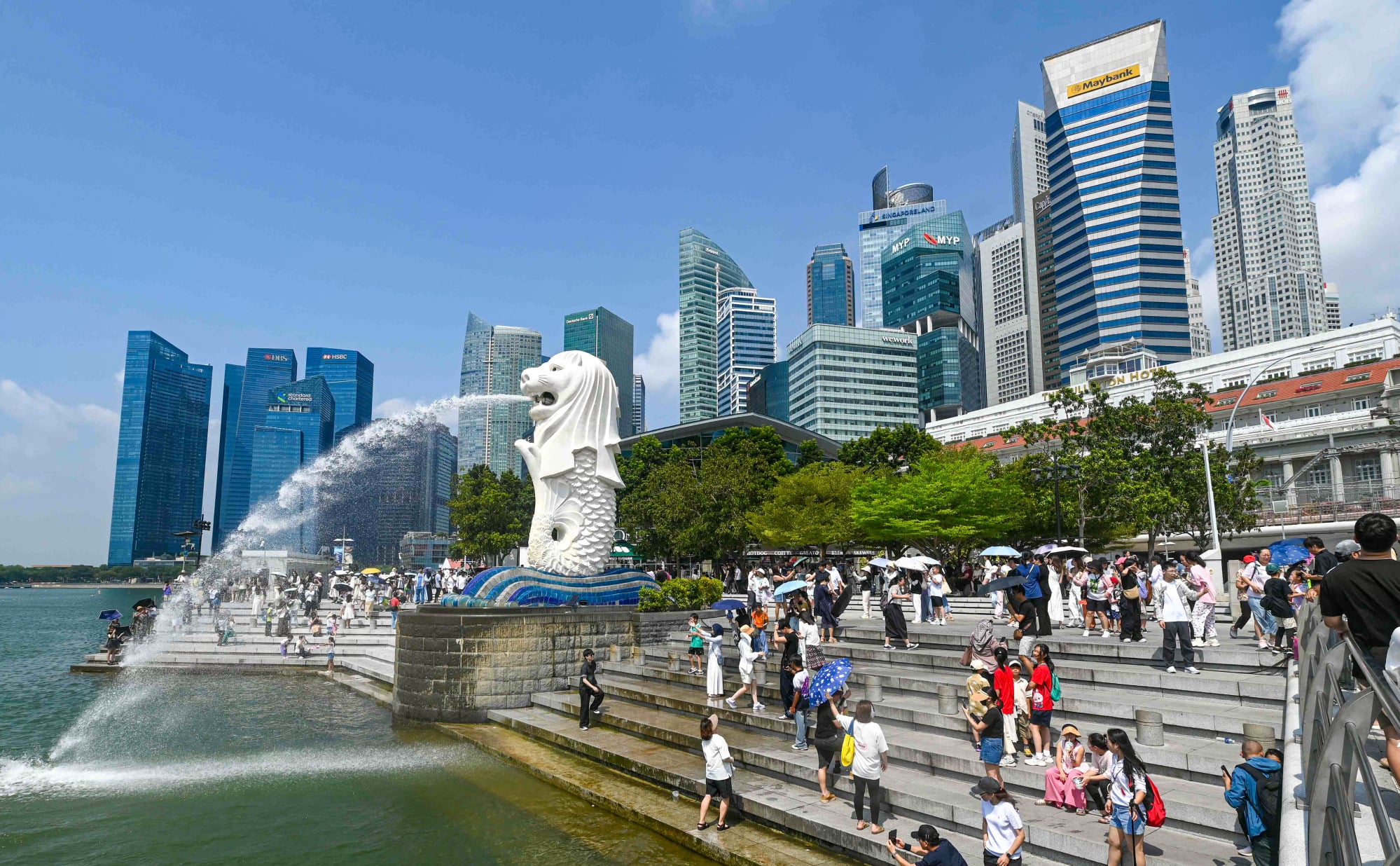
In Julius Baer’s annual wealth and lifestyle report, published last month, five of the top 10 cities for spending by the global rich were in the Asia-Pacific. Singapore retains top spot, with Hong Kong (fourth), Shanghai (sixth), Sydney (eighth), and Bangkok creeping in at 10th spot—elbowing out New York and Dubai.
Rental Vehicles and Smart Spending
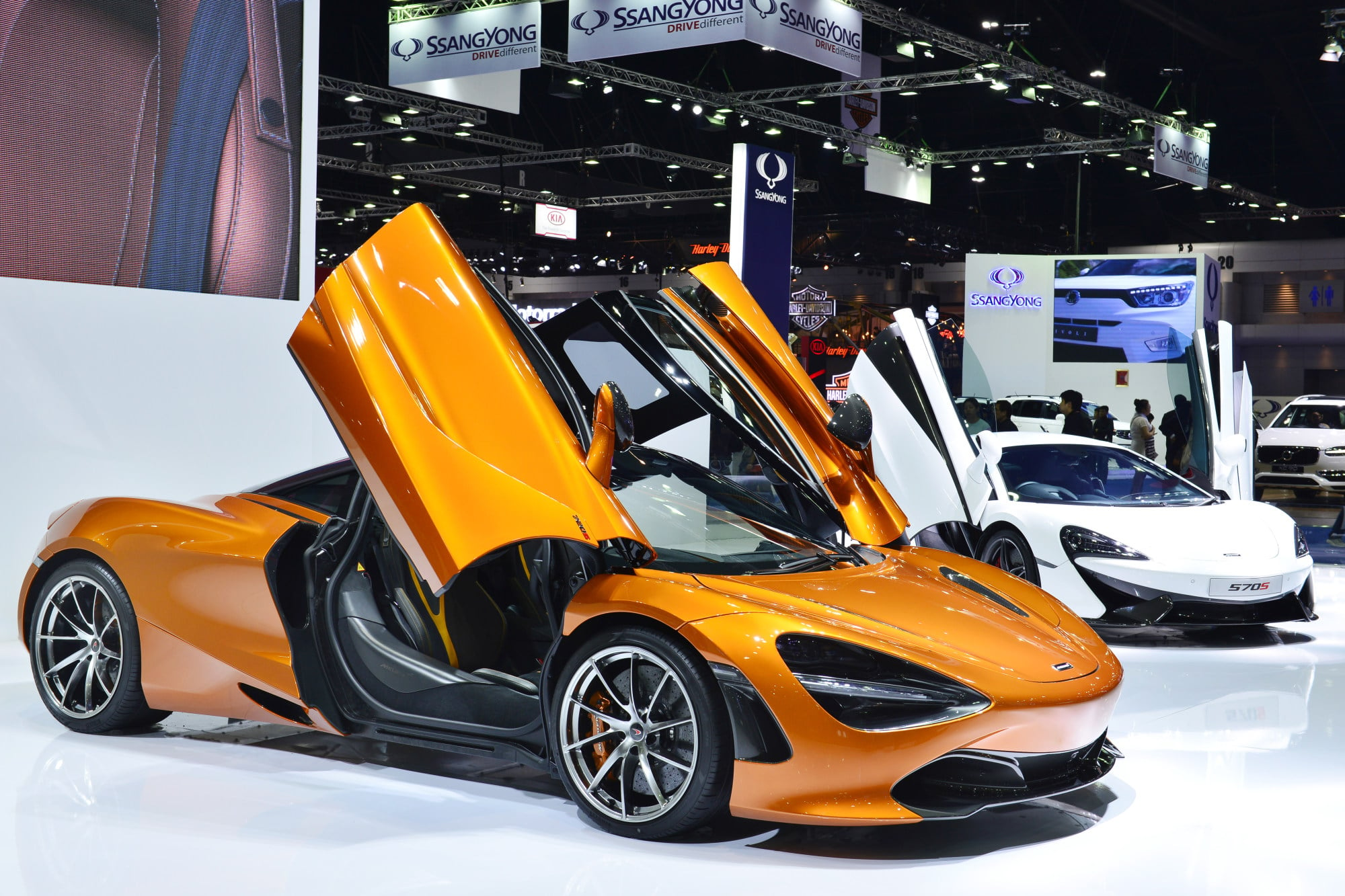
Yet in an economy whose gears are shifting, even high net worth Thais and holidaymakers are seeking to avoid onerous financial burdens without jettisoning their luxe experiences. At Primes Automotive, a Bangkok-headquartered luxury car rental company, renting a McLaren 720S will set you back around US$5,400.
Company marketing manager Anakin Rittimontree says hard times tend to sieve out those who want luxury just for show. “Most of our customers are genuine car enthusiasts,” he said. The company has seen 22 per cent growth over the last year in the rentals of the 50 or so Bentleys, McLarens, Ferraris and Lamborghinis at its Bangkok showroom.