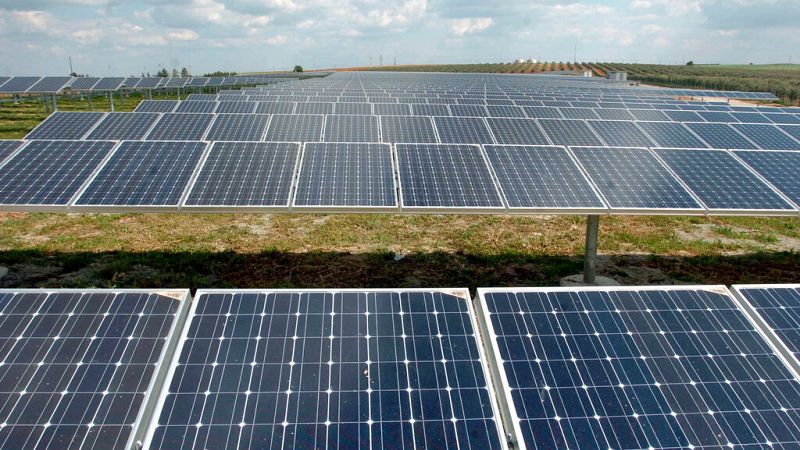
Overview of the Sophia Photovoltaic Solar Park
A new solar project, to be based in the Portuguese district of Castelo Branco, is facing significant opposition from environmental organizations and local municipalities. The initiative, known as the Sophia Photovoltaic Solar Park, aims to “reconcile renewable energy production with environmental enhancement of the territory and lasting benefits for local communities,” according to the company behind the project, Lightsource bp.
The solar park is expected to be one of the largest in the country, with a total of 867 MWp of power, and an investment of around €590 million. Lightsource bp estimates that it will supply more than 370,000 homes and prevent the emission of around 24,500 tonnes of CO₂ per year, contributing to the goals of the National Energy and Climate Plan 2030.
The project covers the municipalities of Fundão, Penamacor, and Idanha-a-Nova and went through a public consultation phase for over a month until 20 November, receiving more than 10,000 comments—making it the most participatory public consultation ever.
Why This Location and When Will It Be Operational?
Lightsource bp explained that the choice of location for any renewable energy project depends on proximity to the electricity grid. For the Sophia solar park, the connection point is REN’s Fundão substation, linked through a Capacity Reservation Agreement (TRC). The area selected resulted from a technical environmental analysis that confirmed this option as having the least impact within a 30-kilometre radius around the substation.
The company stated that the preliminary study involved exhaustive work to collect environmental information, with the project being in the initial licensing phase, scheduled for commissioning in 2030.
Environmental Impact Study
The Environmental Impact Study, dated September 2025, details that the solar plant will consist of 1,365,588 photovoltaic modules, occupying a total area of around 390 hectares. The selected model has advantages in terms of efficiency, reliability, and energy yield.
The analysis states that the project does not cover areas of the National Network of Protected Areas or Natura 2000 Sites. However, it overlaps with the UNESCO Naturtejo World Geopark. The construction phase is considered the most critical period in terms of negative impacts, particularly on land use, flora, vegetation, habitats, fauna, and landscape. Risks include deforestation, road opening, and substation construction.
During the construction phase, the report notes that plant communities affected are predominantly of low conservation value. It also mentions the need to fell or affect isolated holm oak or cork oak trees—1,120 and 421 of each, respectively.
For fauna, various actions are expected that could lead to negative effects on different fauna groups. The project will also have landscape impacts in a location close to three historic villages: Castelo Novo, Idanha-A-Velha, and Monsanto.
Impact on Local Communities
The Beira Baixa Intermunicipal Community, which includes the three municipalities where the power station will be located, expressed an “unfavourable position” towards the project, citing huge impacts on the community and territory. They criticized the “significant and continuous extension of the area that is planned to be artificialised,” leading to “undeniable degradation of the landscape.”
Mayor João Lobo of Proença-a-Nova highlighted concerns about the visual impact on the landscape, emphasizing the need to evaluate solar parks to ensure they do not affect the region’s natural and cultural heritage. He warned that the scale of the installation could harm tourism and traditional production methods.
Lobo emphasized that once an area is covered by the solar park, it cannot be used again, unlike relocating tree populations. He concluded that while there is room for photovoltaic plants, they must be installed in locations that do not compromise the region’s natural and cultural values.
Company Response and Environmental Concerns
Lightsource bp claims that the project will be an engine for local development, with added value shared with the community. However, Mayor Lobo accused the company of not putting enough effort into engaging with local entities and the population.
Lightsource bp refuted these accusations, stating that the project is being developed with full respect for local communities and that contacts have been maintained with local councils and parish councils. The company also mentioned that they have contacted around 30 public and private entities to ensure transparency and community alignment.
Despite these assurances, Ricardo Filipe of the Zero association criticized the Environmental Impact Study, highlighting the felling of forests that are not yet classified as priority habitats but are moving in that direction. He also pointed out the occupation of National Ecological Reserve areas and the potential soil erosion from stripping topsoil over 1,060 hectares.
Conclusion
Environmental associations such as Zero, QUERCUS, FAPAS, and Rewilding Portugal have raised concerns about the project’s environmental and social impacts. They argue that the size of the solar plant and the lack of sharing benefits with local populations could undermine climate neutrality objectives and create an unfavourable social environment for renewable energies in Portugal.
Lightsource bp remains open to improving the project, organizing informative sessions in the area, and maintaining communication with local authorities and communities. The company emphasizes that the project and its Environmental Impact Assessment are still in the early stages, allowing for detailed adjustments based on recommendations and public contributions.


