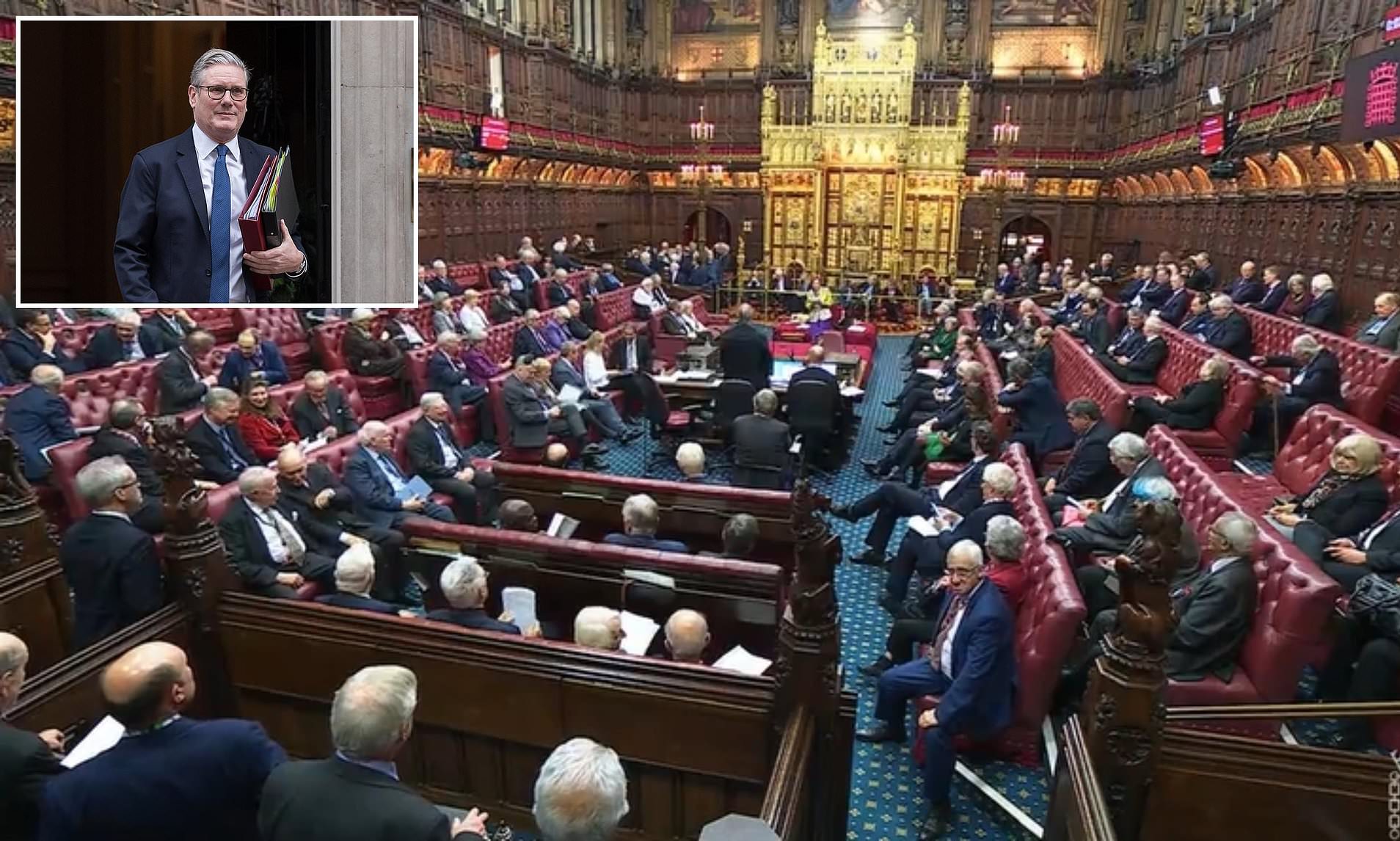
Keir Starmer vowed his workers’ rights overhaul will pass Parliament by Christmas today after suffering another humiliating defeat in the Lords.
Furious peers voted down a last-minute change to the legislation that could open the door to unlimited unfair dismissal payouts. Crossbenchers were among those warning the move could be a ‘job-killer’.
The latest setback means the government faces a race against time to force the Employment Rights Bill through Parliament before Christmas.
Unions are calling for MPs and peers to delay the recess due to start next Thursday, and sit through the weekend if necessary. And No10 insisted that the flagship measures will go through by December 25.
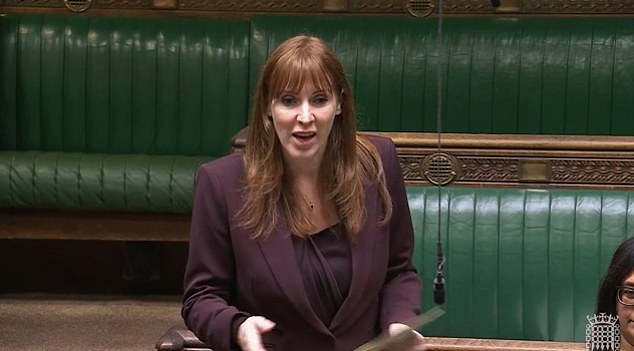
The standoff shows little sign of ending despite ministers ditching Labour’s manifesto pledge of day-one protection against unfair dismissal. That compromise deal angered MPs including Angela Rayner, who championed the package before being forced to quit in September.
The PM’s frustration was underlined yesterday when he unveiled 25 new Labour peers. Sir Keir previously pledged to scrap the upper chamber, but aides now openly admit they are stuffing it with supporters to offset out the Tory majority.

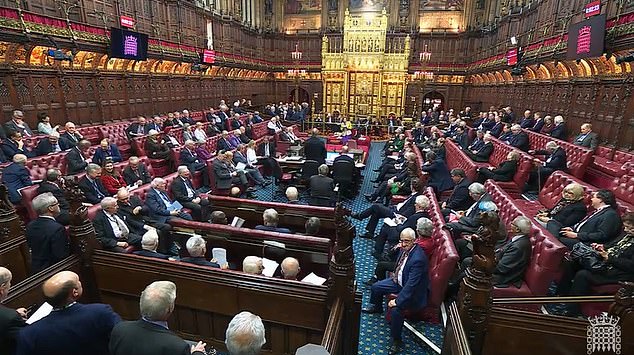
The Commons and Lords are engaged in ‘ping-pong’ over the Employment Rights Bill – where legislation is batted back and forth until one side capitulates.
The government has already conceded there will be a six-month qualifying period for unfair dismissal, instead of workers getting rights from day one.
However, to appease Labour MPs ministers also introduced a measure to scrap the compensation caps, which are currently the lower of 52 weeks’ pay or £118,223.
The Labour administration insists this formed part of the compromise agreement reached with business groups and trade unions – but that is denied by critics.
Peers backed by 244 votes to 220 – majority 24 – a Tory call to force a review of the existing compensation limits, which ministers are seeking to remove.
The PM’s spokesman reiterated the commitment to have the Bill passed by Christmas today. He stopped short of ruling out more concessions, although that would risk fuelling a rising backlash from Labour MPs.
‘On this compensation specifically, these changes ensure employees who have been unfairly dismissed are properly compensated for their losses, remove incentives for unnecessarily complex claims, and make it quicker and easier for tribunals to deliver fair outcomes,’ the spokesman said.
‘Independent tribunals will still decide compensation awards based on the facts and in reality most awards fall far below the existing cap of around £118,000.
‘We remain committed to passing this Bill before Christmas and will work with the unions businesses and legislators to get this done in line with our implementation road map.’
Amid bitter recriminations in the Commons this morning, business minister Chris Bryant accused the Lords of being bitter about Labour’s crackdown on hereditaries.
‘Why did we lose the vote last night? Twenty-five Tory hereditary peers. Why on earth would that be? Why do you think that they might not be willing to support Labour?’ he said.
Shadow business secretary Andrew Griffith said: ‘Labour have suffered yet another humiliating defeat on the Unemployment Bill even after handing our peerages to the Lib Dems in a vain attempt to get it over the line.
‘The Government must listen to businesses and compromise on this disastrous Bill before it is too late.’
Unions accused the Lords of ‘defying the will of the British public’.
TSSA general secretary Maryam Eslamdoust said: ‘The Labour government must now treat this an emergency and override the Lords’ attempts to override democracy.
‘It’s imperative that the bill is delivered in full by Christmas, even if that means the Commons sitting at weekends to ensure it passes.’
Steve Wright, the FBU general secretary, said: ‘There must be no more watering-down of the bill.
‘Keir Starmer must prioritise the urgent delivery of the legislation – and get it passed before the Christmas recess. If that means MPs must sit on a Saturday, as the Commons did during Brexit, then so be it.’
TUC general secretary Paul Nowak said: ‘Enough is enough.
‘Continuing to vote down the Employment Rights Bill, a clear manifesto commitment, is undemocratic.
‘This Bill has been debated and scrutinised for months. Tory peers are actively defying the will of the British public and their own supporters who overwhelmingly support measures in this Bill.’
He added: ‘The unelected Lords who are holding up this landmark legislation must urgently move out the way.’
Mike Clancy, general secretary of the Prospect union said: ‘This deal was struck after painstaking negotiation to find a compromise that all sides could agree with, the amendment passed by the House of Lords undermines that compromise by reversing the decision to lift the cap on compensation for unfair dismissal.
‘The behaviour of the House of Lords can no longer be seen as constructive scrutiny and increasingly looks like cynical wrecking tactics that risk a constitutional crisis if they continue.’
During a tense debate last night, Tory shadow business minister Lord Sharpe of Epsom told the House: ‘The constitutional implications of introducing major new policy at ping-pong are profound.’
He added: ‘This is not obstruction. It is the bare minimum that a competent administration should undertake.’
Lord Sharpe argued an uncapped regime would benefit higher paid workers, such as water company executives ‘who have overseen sewage being pumped into our rivers and seas’.
He said: ‘Are these individuals really now to be entitled to multimillion-pound payouts for so-called unfair dismissal?
‘Is that the policy intention?
‘Are members opposite truly comfortable becoming the party defending corrupt water bosses, while ordinary claimants are pushed further back in the queue?
‘This policy is a recipe for the rich and a wrecking of justice for working people.’
Business minister Baroness Lloyd of Effra defended the change, telling peers: ‘The Government believe that the current compensatory award caps incentivise claimants to construct complex cases which allege discrimination to access uncapped compensation.
‘These types of claims are more complex and take longer for the tribunal to handle.
‘Therefore, by our removing the compensation cap for ordinary unfair dismissal claims, this incentive will be lessened, making it easier for tribunals to reach a judgment more quickly and decreasing burdens on the system.’
Insisting the Government had listened to peers’ concerns, she said: ‘They have gone away and worked collaboratively with employers and trade unions to find a compromise and have now delivered on that compromise as part of a package deal to get the Bill to royal assent.
‘I now respectfully ask the House to acknowledge the movement made by the Government and allow the Bill, a manifesto commitment, to progress on to the statute book so that working people can start to benefit from these important and popular reforms to workers’ rights without any further delay.’
But independent crossbencher Lord Vaux of Harrowden said: ‘The irony of this is that the main beneficiaries are likely to be senior employees on high salaries, who are moving towards the end of their careers, not the workers the Government claims to be helping.’
He also argued introducing such a significant change at such a late stage ‘runs a coach and horses through the proper process of scrutiny of legislation’.
Fellow crossbencher Lord Londesborough said his email inbox had been ‘awash with anger and indignation’ from businesses over the Government ‘sneaking in this clause on uncapped compensation’.
He said: ‘It’s anti-entrepreneurial, it’s anti-enterprise, and I fear a job destroyer, and in my view, has no place in a free, growth driven economy.’
 Read more
- Is Labour’s flagship Employment Rights Bill a ticking time bomb as business leaders slam it for potentially costing firms a whopping £5 billion a year?
- Blockbuster showdown: Can Labour’s Employment Rights Bill navigate fierce opposition from business leaders fearing economic chaos?
- Could Labour’s controversial Employment Rights Bill sideline Parliament and reshape British workforce regulations with unprecedented speed?
- Could Labour’s proposed workers’ rights bill be the final nail in the coffin for businesses battling to stay afloat?
- Shockwaves in Parliament: Will scrapping the cap on unfair dismissal claims spell economic disaster for UK businesses?