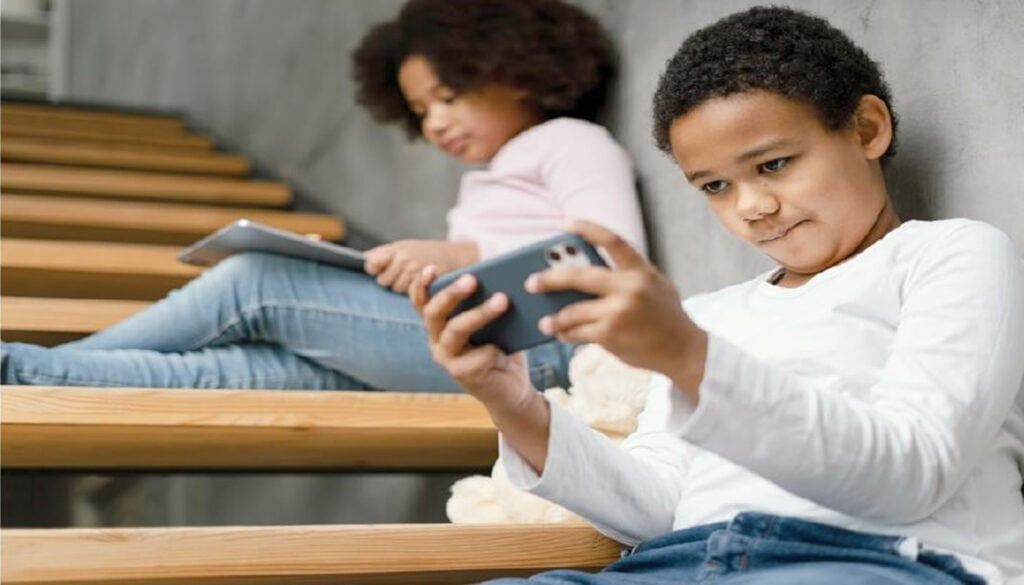
In a world where technology has become an integral part of daily life, the impact of social media addiction on human relationships is becoming increasingly evident. This issue not only strains personal connections but also contributes to a rise in emotional distress, including loneliness, anxiety, and even suicidal thoughts.
Professor Chinua Achebe once highlighted the importance of genuine togetherness, reminding us that community is about seeing one another, not just the moon. However, today’s reality often contradicts this wisdom. The very devices designed to bring people closer are now eroding the bonds they were meant to strengthen, turning shared spaces into silent rooms and family time into isolated moments.

Across homes and families, individuals sit together yet feel emotionally distant. Relationships are being strained as partners feel abandoned, children compete with smartphones for attention, and families drift apart despite living under the same roof. What should be moments of connection have become silent evenings where everyone is physically present, yet no one is truly together.
A lost relationship
Sofia Omor, a 26-year-old fashion entrepreneur, experienced the painful effects of digital neglect firsthand. Her two-year relationship with Mike Oboh ended due to his growing obsession with social media. Initially, Mike was attentive and loving, but as he became more absorbed in online activities, their relationship began to deteriorate.
Omor recalled how Mike’s behavior changed, leading to feelings of insecurity and ultimately the end of their relationship. She described how their communication weakened, intimacy faded, and the bond they had nurtured slowly disintegrated. As Mike focused more on building his online presence, their physical interactions diminished, and she felt invisible in his eyes.
‘Phone snubbing’
Her experience is not unique. Psychologists describe this phenomenon as phubbing, or phone snubbing. It involves ignoring companions in favor of a phone or similar device. Social media addiction, characterized by the compulsive need to check feeds, post updates, or seek online validation, is quietly eroding human intimacy.
Couples now spend more time gazing into screens than into each other’s eyes, parents neglect children while endlessly scrolling, and friends gather more for pictures than for real conversations. This behavior leads to feelings of rejection and loneliness, creating a cycle where people seek connection online, only to become more disconnected offline.
The other women
Omor also suspected that Mike was engaging with other women online, which further strained their relationship. She felt neglected and eventually decided to walk away. Despite promises from Mike to change, he continued to drift emotionally, leading to a painful and exhausting situation.
A family divided by screens
For Charles Ibezimakor, a 49-year-old lawyer, the effects of phubbing extend beyond romantic relationships; they divide entire families. His children, like many Nigerian youth, are engrossed in social media, games, and cartoons, leaving little room for meaningful interaction.
Ibezimakor took drastic measures to curb their screen addiction, banning mobile devices for two months. He emphasized the importance of parental guidance and warned against allowing children unrestricted access to technology. He cited cases where children became so addicted to screens that they experienced mental breakdowns when deprived of their devices.
Hidden dangers
The rise of ‘digital orphans’—children raised with heavy exposure to technology but little parental guidance—has become a growing concern. While social media was designed to bring people closer, it has, in many cases, achieved the opposite. Emotional neglect and fractured relationships are common consequences.
Saturday PUNCH found that phone snubbing is fueled by online advertisements encouraging people to chat with “lonely individuals abroad” for money, drawing many deeper into an addictive virtual world. This has widened what experts describe as ‘digital distance’, an emotional gap created by divided attention.
The Setzer tragedy
In February 2024, 14-year-old Sewell Setzer reportedly took his own life after becoming obsessed with an AI chatbot character. His mother sued the AI company, alleging that their service played a role in her son’s death. Setzer’s life spiraled after he started using the chatbot service, leading to withdrawal, isolation, and eventually, a tragic outcome.
Newborn starved to death
In another incident involving addiction to an AI platform, a couple in South Korea was arrested for starving their three-month-old daughter to death while they devoted hours to playing an AI game. Their neglect led to the death of their real baby, highlighting the dangers of excessive screen time.
Expert urges balance
Dr Yinka Adebayo, a relationship therapist, emphasizes the need for balance in social media use. He notes that while social media can connect long-distance lovers and revive old friendships, it can also disconnect people from those who matter most. True connection comes from presence, empathy, and undivided attention.
Victory Ndukwe, a computer engineer, explains that social media platforms are designed to keep users hooked, triggering dopamine release and creating a cycle of dependence. He warns that excessive use can deepen isolation, even as people turn to social media to feel less lonely.
Studies confirm that the more time spent on social media, the higher the levels of loneliness, especially among those using it to maintain relationships. This highlights the importance of mindful and moderated use of digital platforms to ensure positive outcomes.


