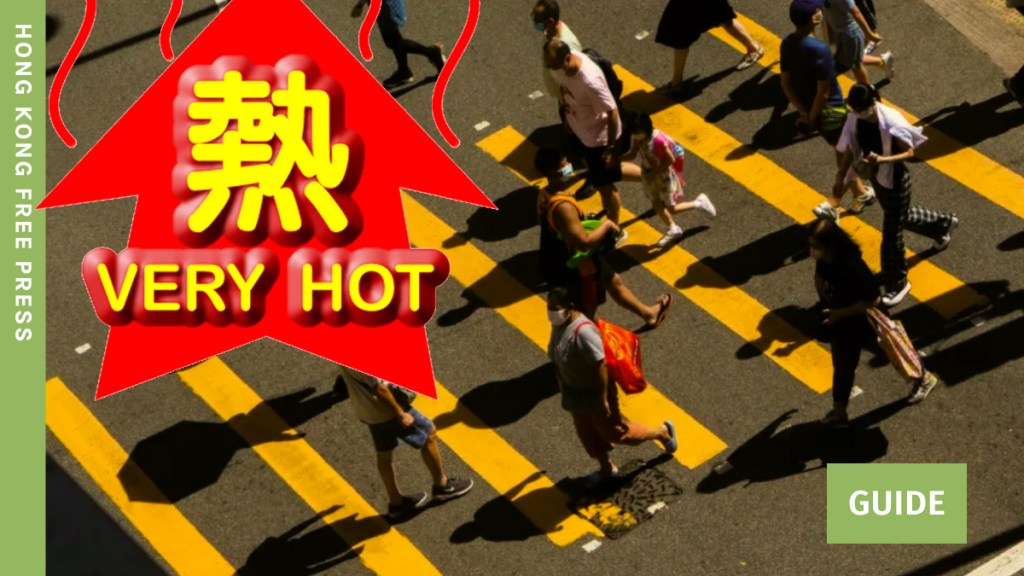
Hongkongers are experiencing extreme heat this summer, with the city breaking its record for the highest temperature ever recorded at the Observatory’s Tsim Sha Tsui headquarters on Sunday. In the following days, temperatures surpassed 38 degrees Celsius in some parts of the territory.
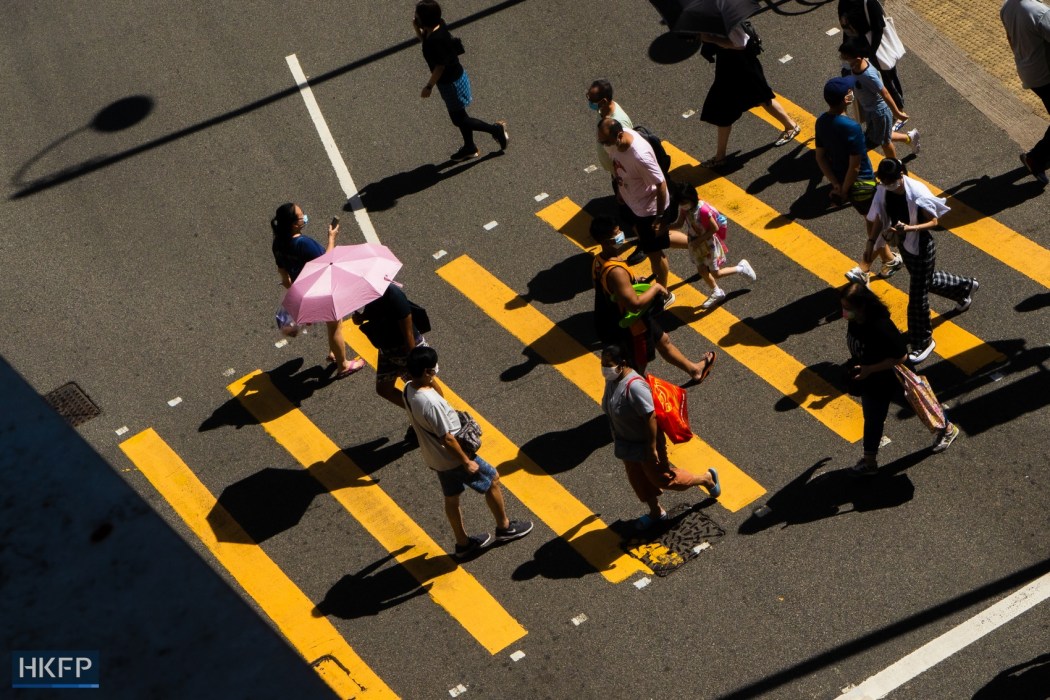
The city is naturally hot and humid due to its sub-tropical location, warm seas, and the “urban heat island” effect, where towering skyscrapers, dense concrete, and air conditioning exhausts trap heat near ground level. More record highs are expected this year, as the Observatory warns about the influence of climate change and a “super-strong” El Niño event intensifying in the tropical Pacific Ocean.
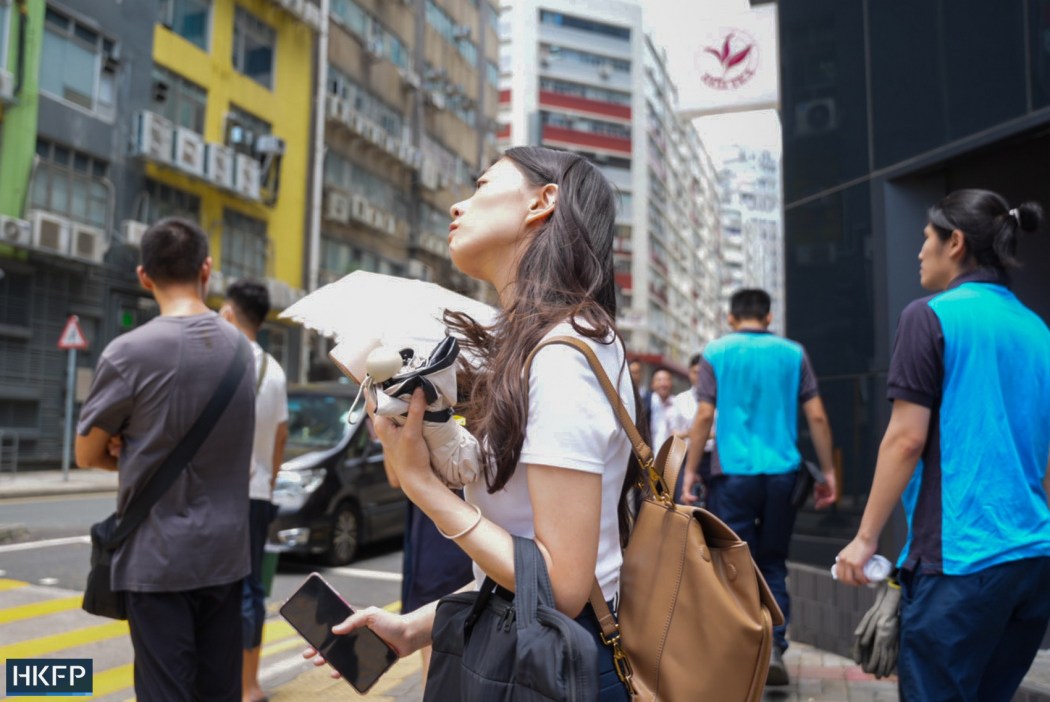
The Hong Kong Observatory’s (HKO) three-tier warning system for heatwaves includes a “Very Hot” warning, issued when temperatures reach 33 degrees Celsius; a “Prolonged Heat” special alert, issued when a few days of very hot weather or hot nights occur in succession; and an “Extremely Hot” special alert, issued when temperatures reach 35 degrees Celsius.
The Observatory’s website helps keep residents informed about heat warnings, and its MyObservatory app sends automatic updates to users who have enabled push notifications.
Read more:
How extreme heat became the deadliest silent killer among world weather disasters
Extreme heat is dangerous to the human body, and heat-related symptoms can be deadly if not promptly treated. While no one is spared, elderly persons, pregnant women, infants, children, people who are overweight, and those with chronic illnesses are particularly at risk.
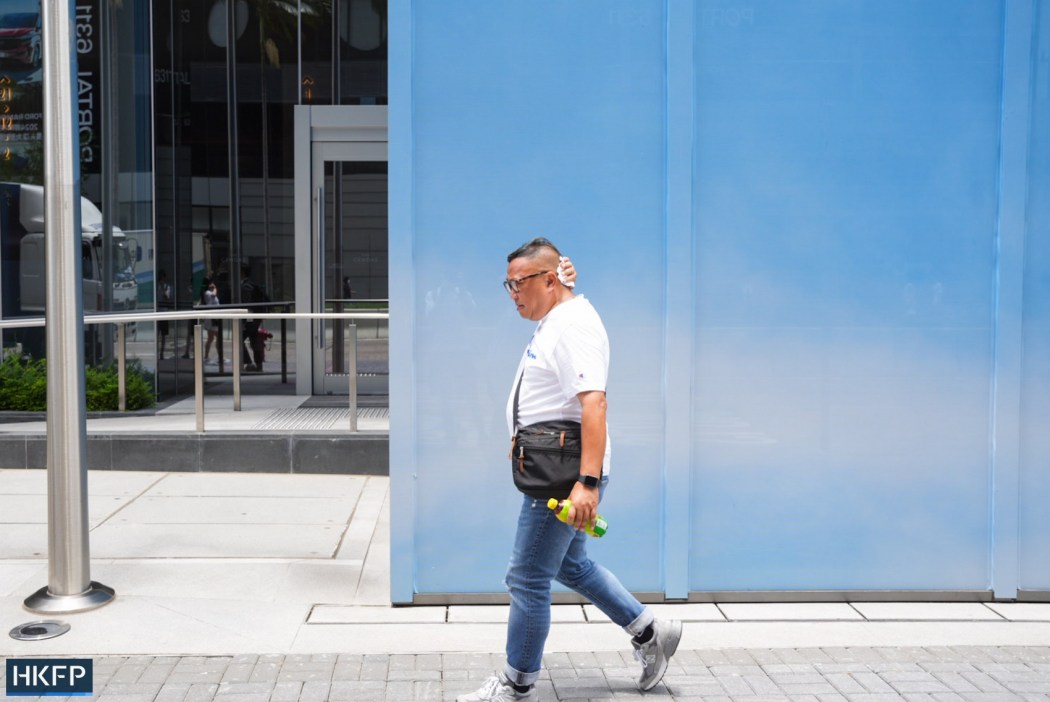
HKFP has compiled key tips and proactive measures residents can take to protect their health and stay safe as temperatures soar.
Seek shelter, day or night
The Home Affairs Department temporarily opens heat shelters across all 18 districts when a Very Hot Weather Warning is in force. Inside, residents can typically find ventilation facilities, rest areas, drinking water dispensers, and even food items. Bedding is also provided from 10.30pm until 8am the following day for those in need. For more information, call the department’s hotline before midnight on 2572 8427. A list of shelters and addresses can be found above, or click here for the latest details.
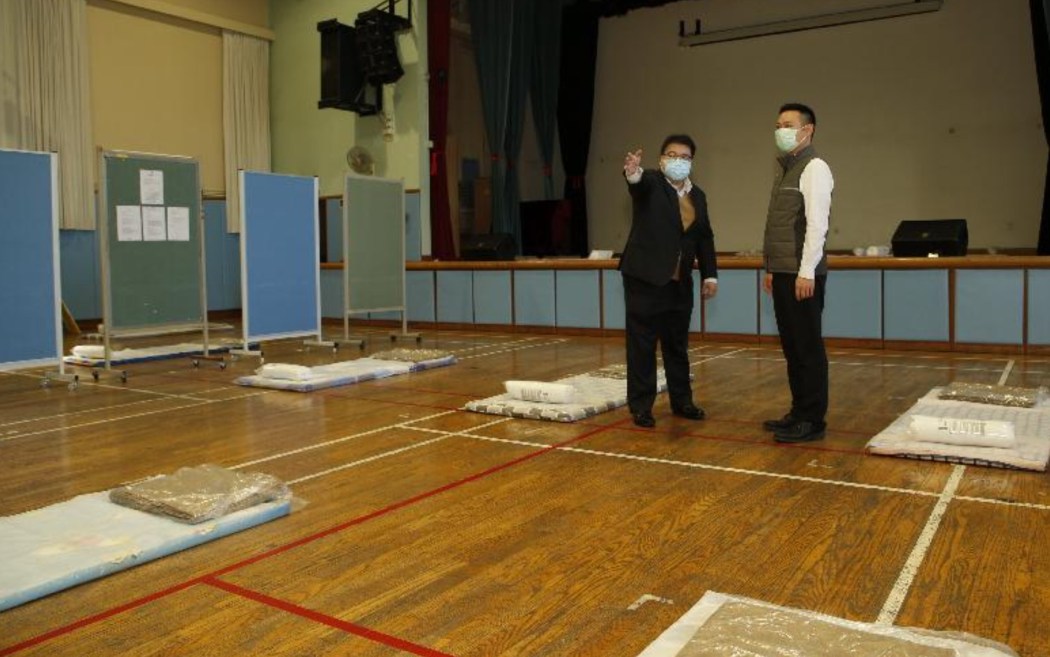
Additionally, a number of community halls and centres can be used by residents seeking shelter from the heat. Addresses and operating hours can be found here.
Hong Kong’s many shopping malls can also offer respite on hot days. Because they are so widespread, malls, indoor walkways, footbridges, and MTR underground networks – many of which are air-conditioned – can often be utilised to move around while avoiding the scorching streets. The Central Elevated Walkway, connecting roughly 40 buildings across Admiralty, Central, and parts of Sheung Wan, is a good example.
Keep cool at home
The HKO advises on keeping indoor areas well ventilated and maintaining appropriate temperature and humidity by opening windows or using a fan or air conditioning. The air conditioning temperature should be kept between 24 and 26 degrees Celsius to balance energy conservation and thermal comfort, according to the Electrical and Mechanical Services Department. It also helps avoid sudden temperature shocks when people step outside, which, while not life-threatening for healthy people, can still cause mild thermal shock, muscle tension, headaches, and nasal irritation.
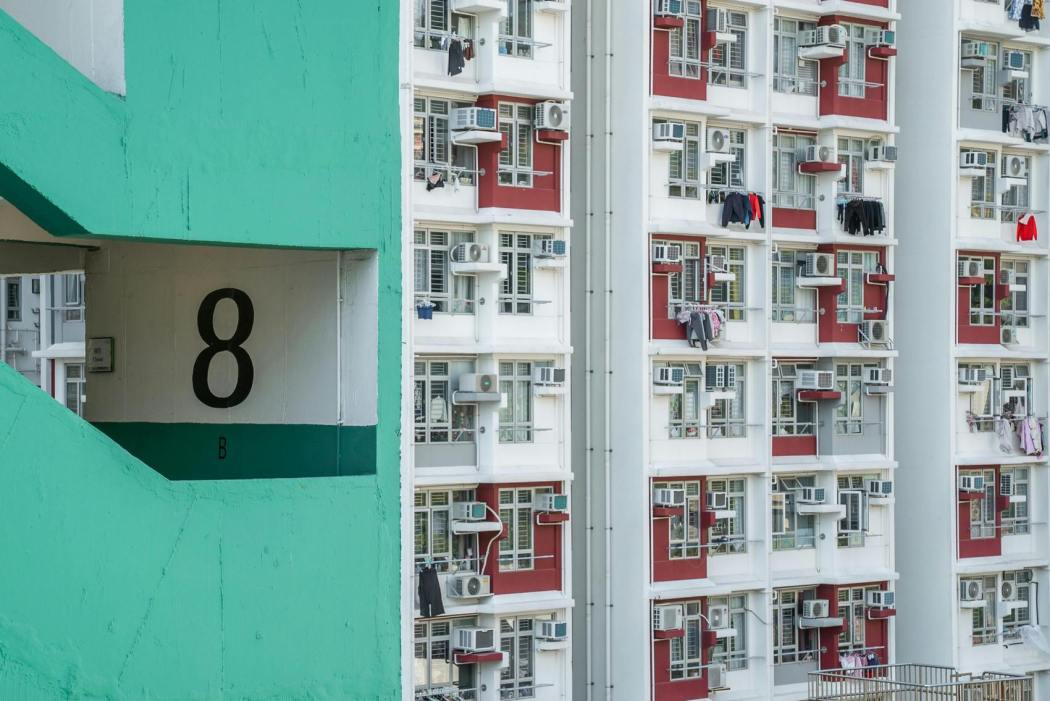
Another good practice is to run a ceiling or standing fan alongside the air conditioner as circulation makes the room feel cooler. During late-night and early-morning hours, windows should be left open to allow the built-up heat to dissipate, while pulling curtains during the peak hours of sunlight is an effective way to block heat gain indoors.
Residents who do not have access to air-conditioning or other cooling systems at home are advised to seek shelter at cooling centres and other public facilities during the hottest hours of the day.
Stay hydrated
In extreme heat, sweating cools the body through evaporation but drains vital fluids and electrolytes. As blood volume drops, the heart works harder to supply oxygen to organs, putting heavy strain on the cardiovascular system. Without prompt rehydration, this elevated heart rate and reduced cardiac efficiency quickly lead to fatigue, dizziness, heat exhaustion, and heat stroke.
So, while keeping hydrated is always key for overall health, it is especially important in hot conditions. While the Hong Kong government does not recommend an exact amount of water, a good starting point is eight cups (two litres) per day. Those working or exercising outdoors should aim for more and should drink at shorter intervals – approximately one cup of water (250 millilitres) every 15-20 minutes. At the same time, the hourly intake should not exceed 1.4 litres. Pale, odourless, and plentiful urine is a good indicator of optimal hydration.
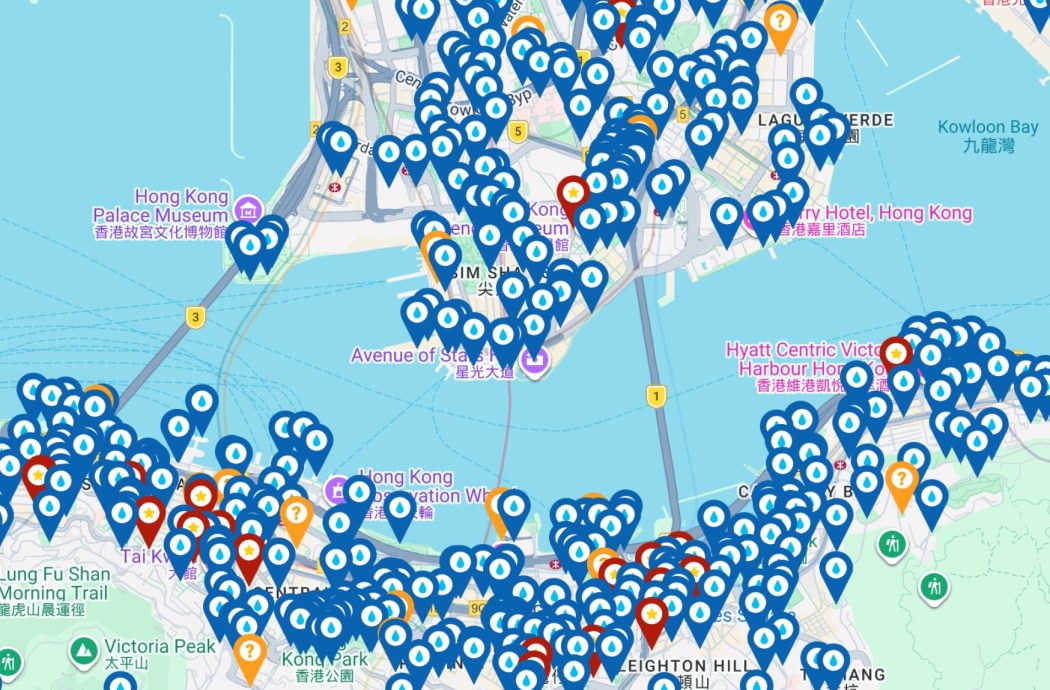
When out and about, residents can use the Water For Free app to find the water fountain nearest to them.
Alcohol, as well as caffeinated drinks like coffee, energy drinks, and even Hong Kong’s beloved milk tea should be avoided as they can cause dehydration and increase heart rate and blood pressure in some individuals.
Choose nourishing, hydrating foods
Even if high heat dampens your appetite, eating nutrient-rich foods during a heatwave is nearly as vital as staying hydrated. The World Health Organization (WHO) advises eating small, frequent meals centred on hydrating produce – such as watermelons, berries, peaches, and cucumbers – alongside nutrient-dense soups and fresh juices.
Heavy, fried foods should also be avoided, as their unhealthy fats boost internal body temperature, demand more digestive energy, and leave you feeling sluggish. It is also recommended to avoid cooking on the stove during a heatwave, and to opt for a microwave instead of an oven to keep the environment cool.
Dress appropriately
Choosing the right clothing during a heatwave is vital for both comfort and safety. Experts recommend loose, lightweight garments made from natural, breathable fabrics like cotton and linen. These materials allow sweat to evaporate, which is the actual process that cools the body down. Conversely, the WHO advises against synthetic fabrics, which trap moisture and heat.
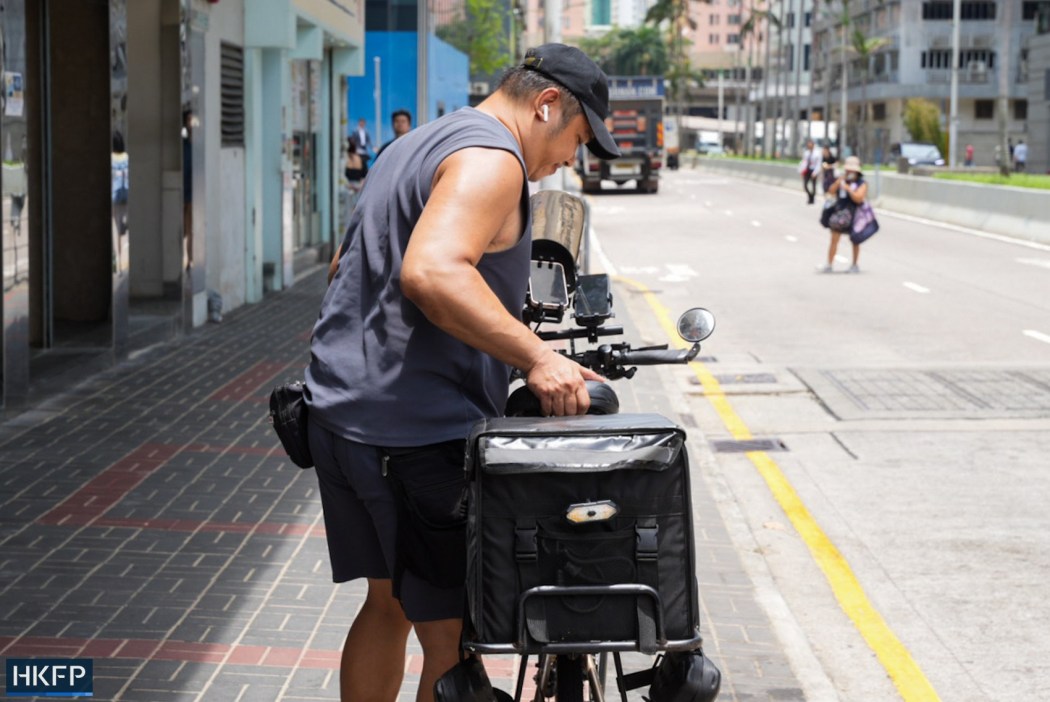
When it comes to colour, the science is surprisingly nuanced. While light clothing reflects incoming sunlight, dark clothing absorbs body heat and radiates it away – provided the garments are loose enough for the breeze to carry the trapped heat away before it touches the skin. (A widely cited 1980 study on desert Bedouins revealed they gained no additional heat wearing black robes compared to white).
Finally, smart layering allows you to adjust as temperatures shift throughout the day. To guard against UV damage, the WHO recommends pairing loose layers with sunscreen, UV-blocking sunglasses, and a wide-brimmed hat.
Adjust your workout arrangements
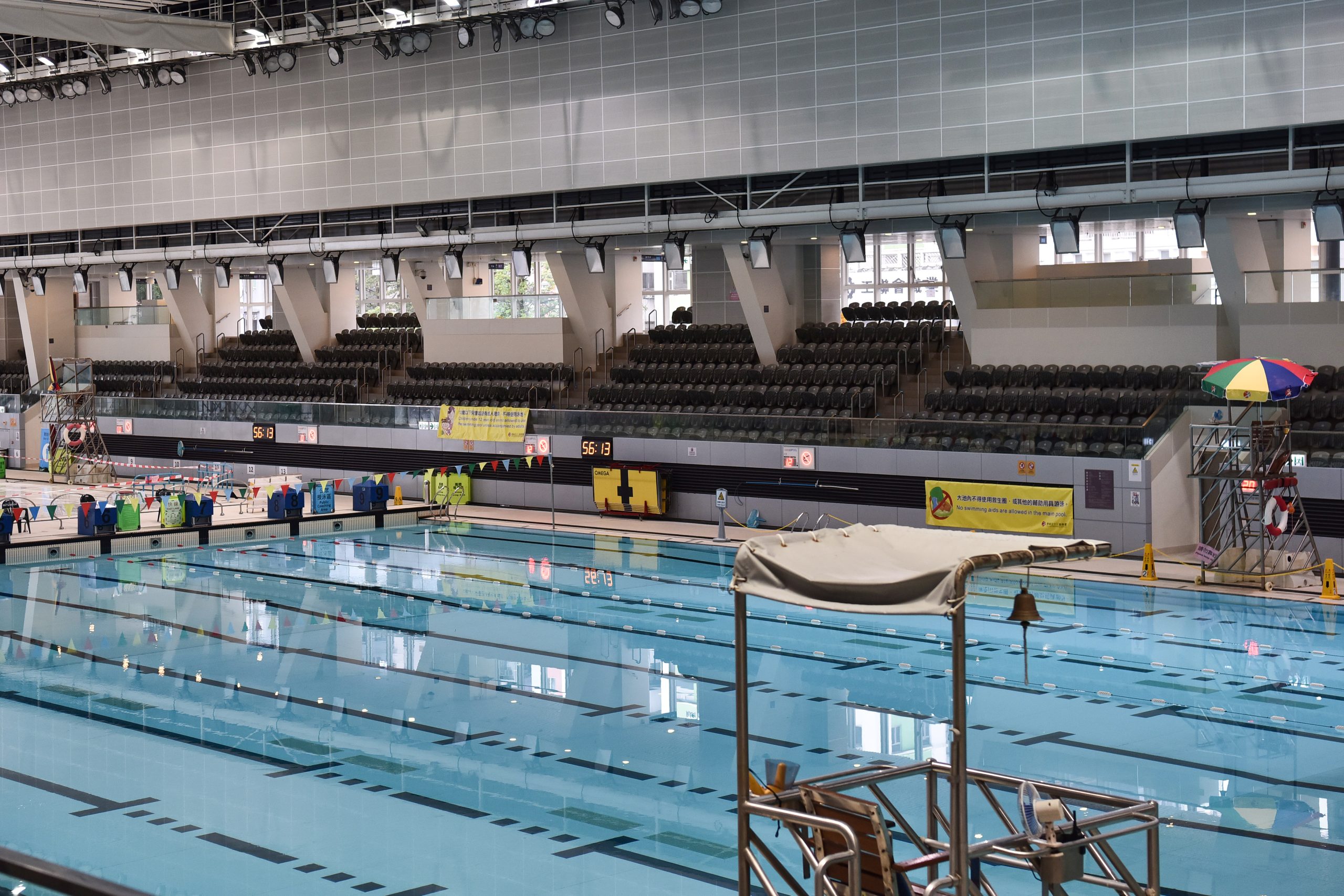
To exercise safely during extreme heat, schedule lighter workouts – like walking or yoga – for early morning or late evening. Hong Kong is also home to many indoor sports centres scattered around the city, which are listed on the Leisure and Cultural Services Department’s (LCSD) website.
When exercising or hiking outdoors, wear loose, breathable clothing and take 5-10 minute breaks in the shade every 15-20 minutes to let your body cool. Pre-hydrate before exercising, drink water every 15-20 minutes during your workout, and switch to electrolyte drinks if working out for over an hour.
When it comes to hiking, a favourite among Hongkongers, the LCSD recommends avoiding it on days of very hot weather, high humidity, with no wind or when the Air Quality Health Index is very high or serious. Hikers should also avoid prolonged exposure to direct sunlight and ensure proper hydration with water and electrolytes. They should also have a thorough understanding of heat-related symptoms so they can promptly and adequately react when they occur.
Special considerations for outdoor workers
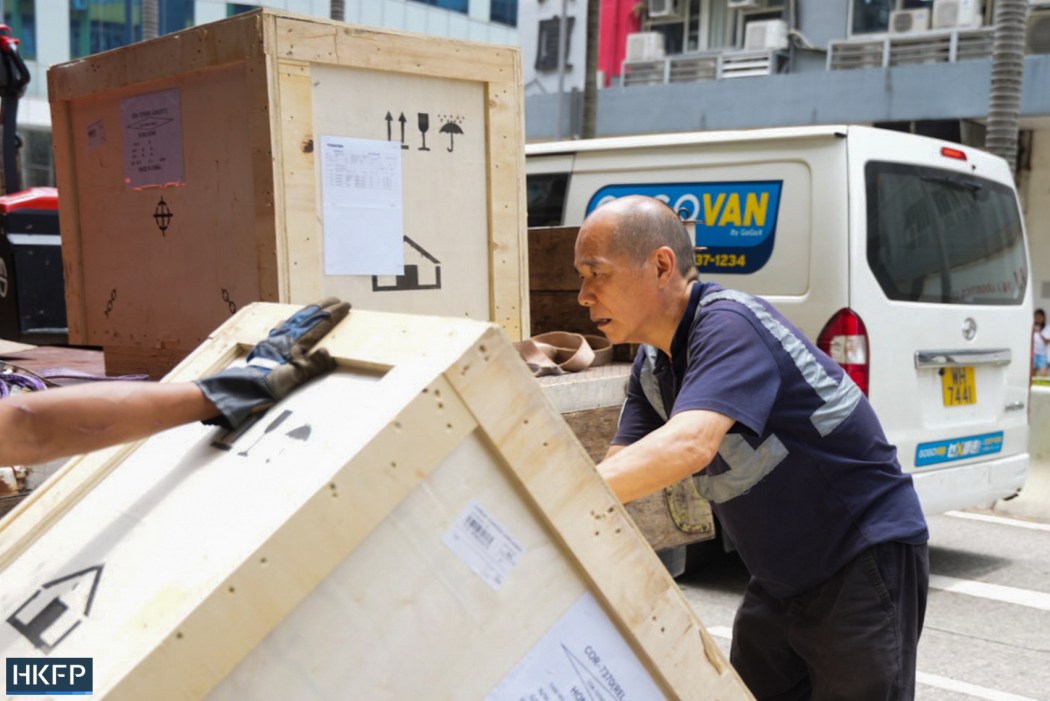
Hong Kong’s workers do not have specific legally binding statutory rights when it comes to high temperatures, although the Employees’ Compensation Ordinance covers work-related illnesses or fatalities like heatstroke.
Outdoor workers, those working in indoor environments that lack air conditioning systems, and employees working in proximity of heat-generating machinery such as boilers should make particular considerations during extreme heat. Aside from the obvious considerations surrounding hydration, a 2021 study (https://www.ncbi.nlm.nih.gov/pmc/articles/PMC8101208-3/fulltext/) also found that heatstroke frequently strikes healthy workers and active individuals whose clothing or gear prevents sweat from evaporating properly. Whenever possible, those working outdoors should also avoid prolonged exposure under sunlight.
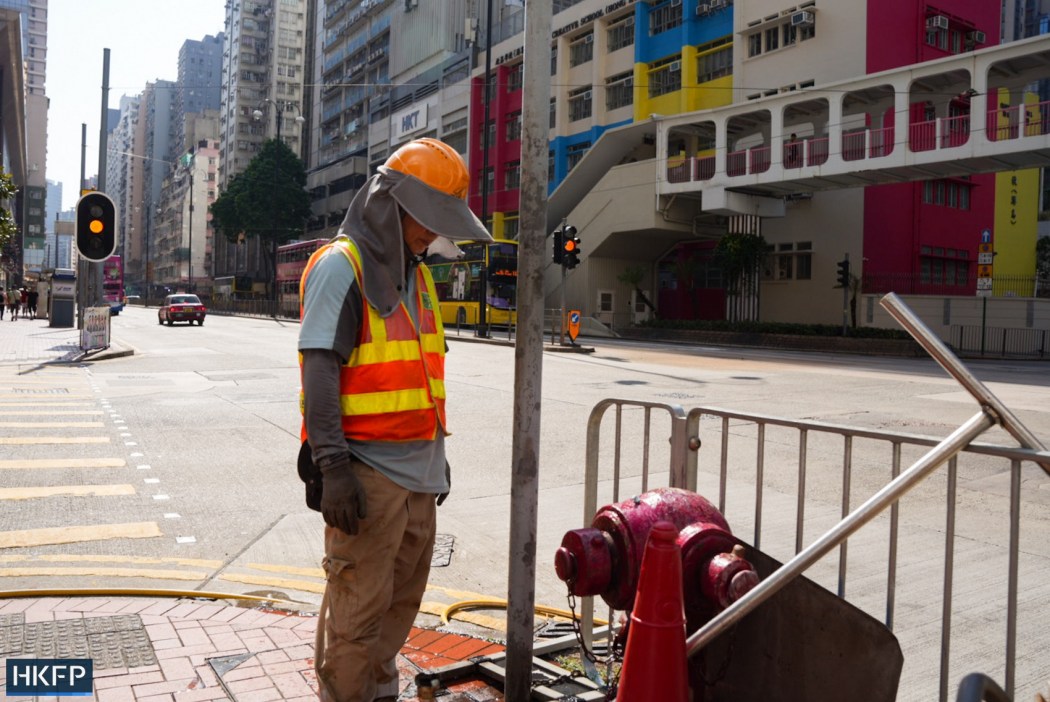
The Occupational Safety and Health Ordinance also commits employers to “conduct risk assessments on the heat stress of employees at work, and take appropriate measures based on the assessment results to prevent employees from getting heat stroke at work.”
The Labour Department lists a series of non-binding recommendations for employers, including supplying employees with cool drinking water; isolating or relocating heat-emanating devices and equipment and providing personal protective equipment to employees; providing shade or cover from direct sunlight; making work arrangements to reduce the intensity and speed of work during the hottest hours of the day; as well as arranging both working hours during cooler daytime periods and rest time whenever possible.
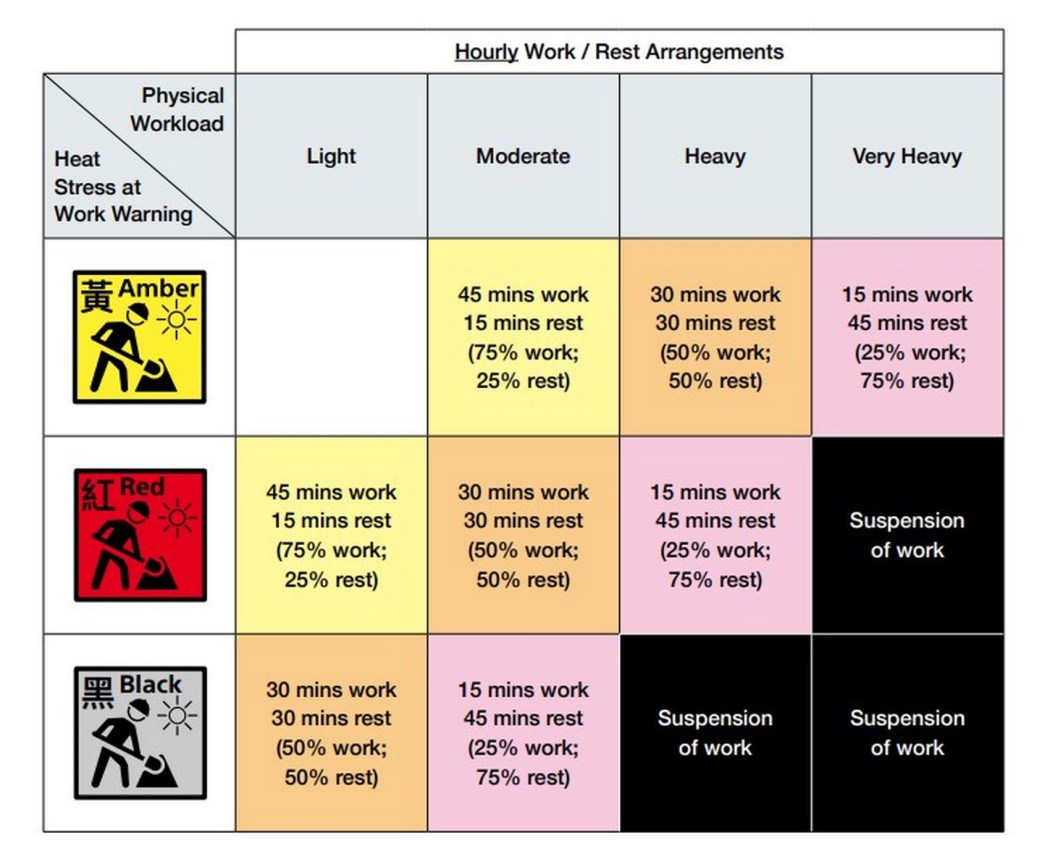
Launched in 2023, the Labour Department has also rolled out a Heat Stress at Work Index consisting of amber, red, and black alerts. They recommend different rest arrangements for employees working outdoors or without air conditioning. However, none of the recommendations are legally binding upon employers, and authorities have vowed to revamp it having never triggered red or black alerts despite record heat recently.
Understand the symptoms
Institutional protections exist, but they are often impractical or out of reach for vulnerable residents. That makes personal awareness vital: recognising the early warning signs of heat stress allows people to act quickly before mild symptoms turn severe.
Heat stroke is one of the most common health risks in hot weather in Hong Kong, resulting in over 200 hospital admissions each year in the past five years and between two and five fatalities. But heat is also nicknamed a “silent killer” because underlying conditions may be severely aggravated or triggered without dramatic warning signs.
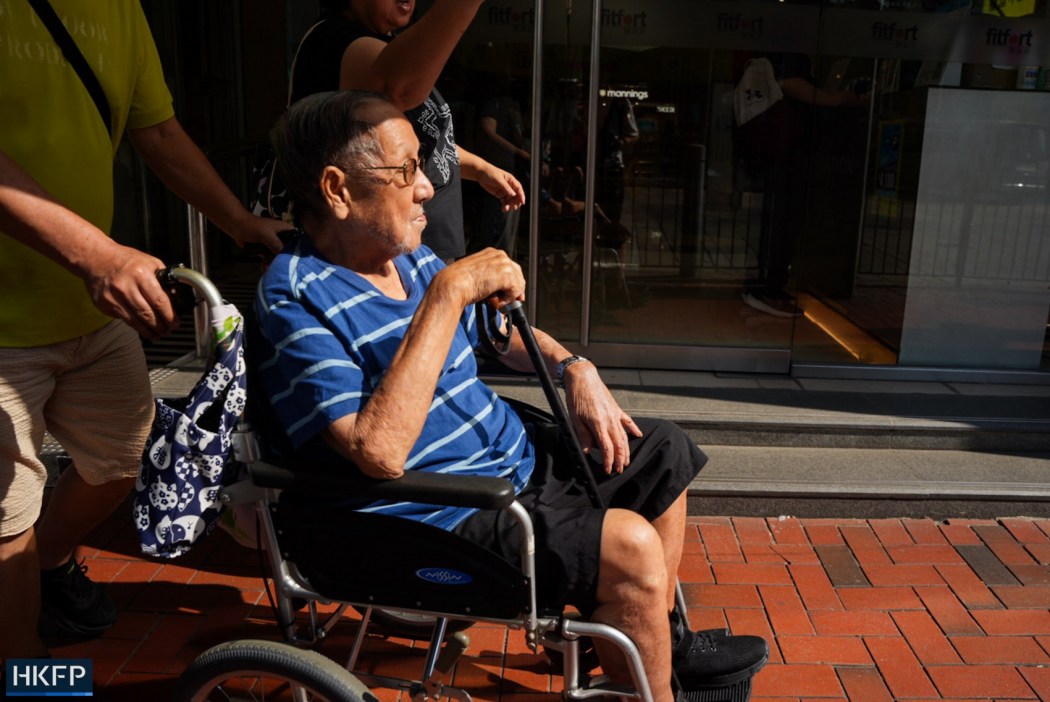
Hongkongers should therefore exercise extreme caution. Authorities say residents experiencing symptoms such as dizziness, headache, nausea, shortness of breath, or confusion should rest and seek help immediately, and seek medical advice as soon as possible. If you or someone else exhibits signs of heat exhaustion or heat stroke, take immediate action such as moving to a cooler location, hydrating, and resting or seek medical help.
You can also take proactive steps to lower your body temperature:
・ Sip water throughout the day to support your body’s natural cooling mechanisms and prevent heat exhaustion.
・ Take a cool shower or bath. A quick dip in cool water rapidly lowers core body temperature.
・ Apply cold packs or damp towels to your wrists, neck, and forehead for immediate heat relief.
・ Run fans to keep air moving, and place a bowl of ice in front of a fan for an instant DIY air conditioner.
・ Practice mindful, slow breathing to calm the nervous system and help lower your physiological perception of heat.
・ Block direct sunlight during peak hours by closing curtains, then open windows at night to circulate cooler air.