The Rise of ESG Investing and Its Impact on Global Financial Systems
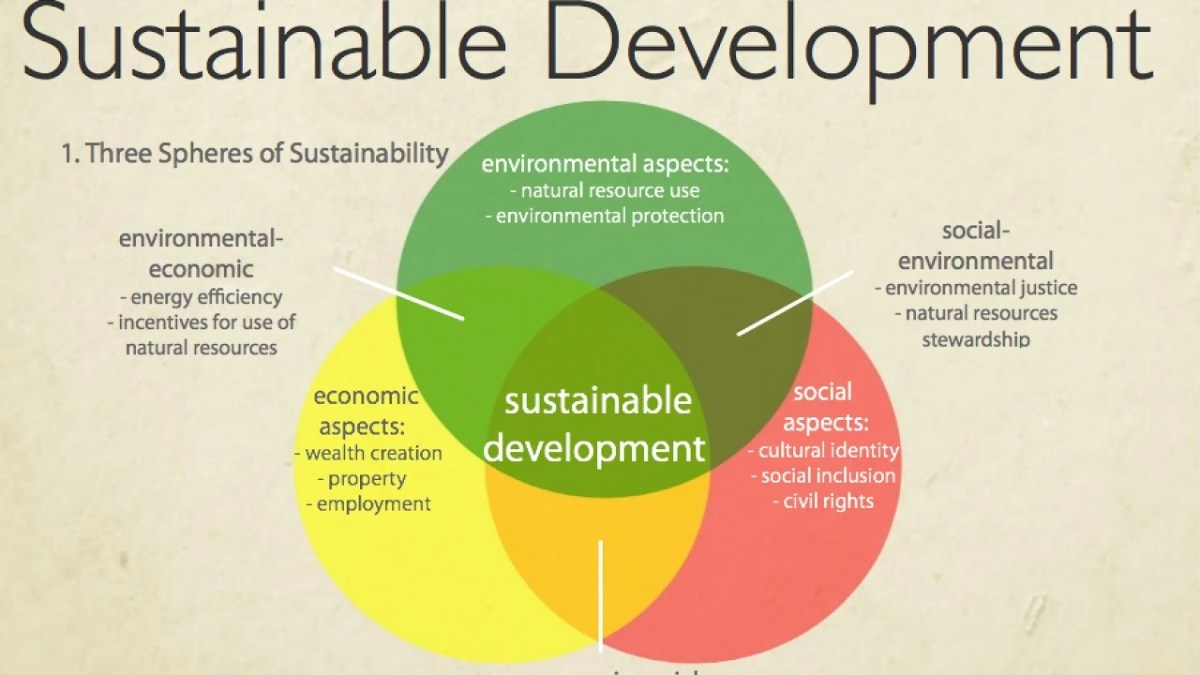
The emergence of a contemporary global economy has placed particular emphasis on the broader dimensions of sustainability. This shift is driven by the recognition that sustainability has become an indispensable tool for global financial institutions to scrutinize their operations and business activities. Investment decisions that prioritize sustainability are increasingly seen as catalysts for positive social change, balancing financial returns with moral values.
Sustainable investing emphasizes the need to expand the range of financial products that can deliver financial returns while aligning with societal values and contributing to sustainability and climate-related objectives. Beyond capital markets, many business firms have shifted from a pure profitability approach to focusing on the influence of their activities on society as a whole.
Despite these advancements, the future prospects of sustainable investing remain at a critical global stage. Proponents of sustainable economic growth have incorporated innovative and systematic environmental, social, and governance (ESG) considerations into basic financial analysis and institutional strategies. Today, ESG insights are believed to promote more inclusive and sustainable growth while boosting corporate financial performance and improving long-term outcomes.
In the corporate spheres of many progressive economies, ESG reporting has been widely embraced for encouraging fairness, transparency, and ethical fiscal behavior in financial markets. A 2022 ESG Study revealed that more than a quarter of global investors significantly prioritize ESG considerations in their investment strategies.
Diverse metrics and benchmarks have been established globally to guide business firms in ESG reporting. Ghana, like many serious countries, has responded well to the international push for sustainable investing by promoting ESG reporting in its capital markets. This paper will discuss the extent to which Ghana adopted ESG investing, the legal or institutional frameworks that inform it, and how the country can extract optimal outcomes from ESG investing.
Understanding ESG: Environment, Social & Governance
The acronym ‘ESG’ stands for Environment, Social & Governance. It is a collective term comprising arranged standards and metrics used to measure a corporate body’s impact on the environment, social fabric, and transparency in its activities. At core, ESG designates the framework used by stakeholders to assess how environmental, social, and governance factors affect the sustainability of companies and states.
In principle and practice, ESG appraises the efficiency with which a business enterprise undertakes its environmental obligations, addresses social impacts, and maintains proper governance practices. By examining these considerations, shareholders and stakeholders gain comprehensive insight into a corporation’s long-term sustainability.
A survey conducted by the Confederation of British Industry (CBI) reveals that two-thirds of investors incorporate ESG considerations when contemplating investments. A report by Bloomberg Intelligence highlights the global significance of ESG practices, stating that there is a high probability for international ESG investment assets to exceed $50 trillion by 2025, representing one-third of the assets held by then.
This data suggests that ESG is here to stay and thrive, establishing a philosophy of sustainability in corporations that drives exponential success in a transparent and accountable manner.
Ghana’s Commitment to ESG Principles
Ghana’s commitment to Environmental, Social, and Governance (ESG) principles has gained remarkable momentum, positioning the country as a leader in sustainable finance across West Africa. The regulatory framework supporting this transformation reflects both government commitment and market demand for responsible investing practices.
Key regulatory milestones have created a robust foundation for ESG integration. The Bank of Ghana introduced Sustainable Banking Principles in November 2019, marking the beginning of a systematic approach to sustainable finance. This was followed by the Ghana Stock Exchange’s launch of ESG Disclosure Guidelines in 2022, creating mandatory reporting requirements for listed companies. Most recently, the Institute of Chartered Accountants, Ghana announced a phased roadmap for adopting IFRS Sustainability Disclosure Standards, aligning the country with international best practices.
Progress in ESG Reporting Among Ghanaian Companies
Progress in ESG reporting among Ghanaian companies demonstrates significant advancement in corporate transparency and accountability. Recent analysis reveals that sixteen out of thirty-one companies listed on the Ghana Stock Exchange—representing 52 percent—are actively engaging in ESG reporting. This substantial participation rate indicates that Ghanaian companies recognize the strategic value of sustainability disclosure beyond mere regulatory compliance.
Diversity of reporting approaches among these companies reflects varying levels of ESG maturity. While some organizations have developed comprehensive sustainability frameworks addressing climate risks, social impact metrics, and governance structures, others are in the early stages of establishing baseline measurements. This variation presents both challenges and opportunities for standardization and improvement across sectors.
Policy Landscape and Green Finance Taxonomy
Ghana’s policy landscape has evolved rapidly to support sustainable investment flows. The October 2024 release of the Ghana Green Finance Taxonomy (Phase 1) by the Ministry of Finance represents a significant milestone in providing clarity for environmentally sustainable economic activities. This taxonomy addresses longstanding concerns from the business community about translating government sustainability objectives into actionable investment criteria.
President John Dramani Mahama’s recent announcement of the National Environmental Sustainability Governance and Climate Disclosure Roadmap signals Ghana’s commitment to standardizing sustainability reporting across all sectors. This roadmap aims to attract green investment by providing consistent frameworks for measuring and reporting.
Benefits of ESG Implementation Across Sectors
The implementation of ESG principles across different sectors has yielded measurable benefits that extend beyond environmental protection. In the financial services sector, banks adopting sustainable banking principles have reported improved risk management capabilities and enhanced access to international capital markets. These institutions demonstrate that ESG integration can strengthen operational resilience while supporting economic development objectives.
Mining and extractive industries, traditionally facing scrutiny over environmental impact, have leveraged ESG frameworks to improve community relations and operational efficiency. Companies implementing comprehensive environmental management systems report reduced operational costs, improved stakeholder relationships, and enhanced regulatory compliance. These outcomes illustrate how ESG principles can transform traditionally challenging sectors into models of sustainable development.
Telecommunications and Technology Sectors
The telecommunications and technology sectors have embraced ESG reporting as a means of demonstrating their contribution to digital inclusion and economic empowerment. Companies in these sectors highlight their role in expanding access to digital services, supporting small businesses through technology platforms, and promoting financial inclusion through mobile money services.
Implications for Investment Flows
The growing emphasis on ESG reporting has tangible implications for investment flows into Ghana. International investors increasingly require comprehensive sustainability data before making investment decisions, and Ghana’s proactive approach to ESG disclosure positions the country favorably in global capital markets. The availability of standardized ESG data enables investors to make informed decisions while supporting Ghana’s sustainable development objectives.
Local institutional investors, including pension funds and insurance companies, are also incorporating ESG criteria into their investment strategies. This domestic focus on sustainable investing creates additional demand for companies with strong ESG performance, encouraging broader adoption of sustainable business practices across the economy.
Capacity Building and Future Challenges
The success of ESG implementation in Ghana relies significantly on capacity building initiatives that enhance local expertise in sustainability reporting and management. Collaboration between the Ghana Stock Exchange, Global Reporting Initiative, and International Finance Corporation has resulted in comprehensive training programs for listed companies and their advisors.
These capacity building efforts address practical challenges companies face in implementing ESG frameworks, from data collection and measurement to stakeholder engagement and disclosure preparation. The knowledge transfer facilitated through these programs ensures that Ghanaian companies develop genuine expertise in sustainability management rather than merely meeting compliance requirements.
Despite significant progress, several challenges remain in Ghana’s ESG journey. The quality and consistency of reported data varies considerably among companies, reflecting different levels of internal capacity and systems development. Some organizations struggle with establishing baseline measurements for key environmental and social indicators, while others face challenges in integrating ESG considerations into core business strategies. However, these challenges present opportunities for continued improvement and innovation.
Conclusion
Ghana’s embrace of ESG investing and reporting represents more than regulatory compliance; it embodies a strategic commitment to sustainable development that positions the country for long-term economic prosperity. The progressive outcomes achieved thus far—from improved corporate transparency to enhanced access to international capital—demonstrate that sustainability and profitability are complementary rather than competing objectives.
For investors, both domestic and international, Ghana’s ESG progress signals a maturing market that understands the importance of sustainable business practices. The availability of reliable ESG data and the commitment to continuous improvement in sustainability reporting create conditions favorable for responsible investment that can drive economic growth while addressing environmental and social challenges.
Ghana’s ESG story is ultimately about transformation—transforming how businesses operate, how investments are evaluated, and how economic progress is measured.


