The Rising Concerns Over Tax Hikes and Economic Stagnation
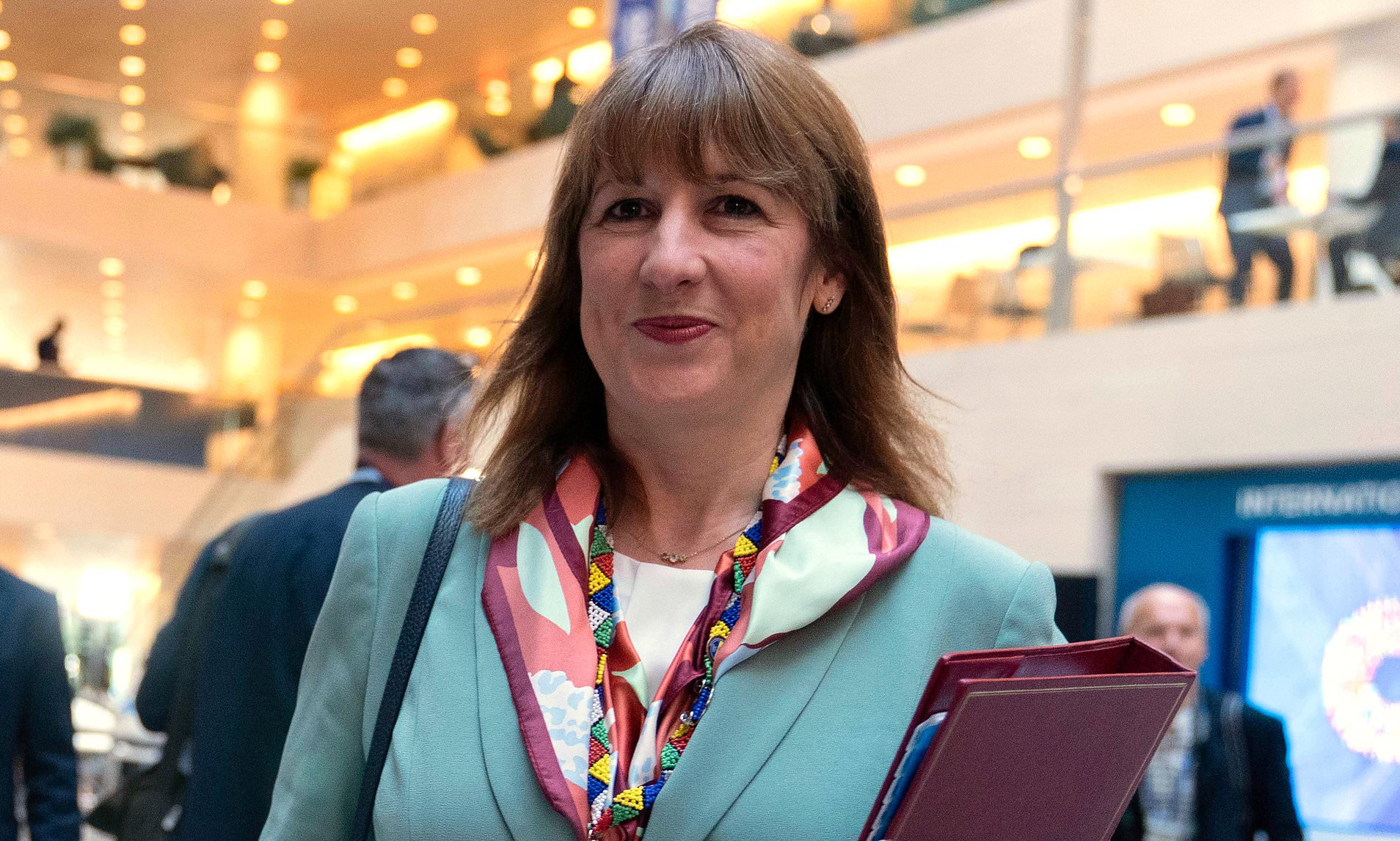
Chancellor Rachel Reeves has sparked concerns over potential tax increases, particularly targeting the middle class. Her remarks during the International Monetary Fund’s annual meetings in Washington have raised fears of a “painful tax raid” on Middle England. She suggested that those with the “broadest shoulders” would need to pay billions more, signaling a shift in focus from income to wealth as a basis for taxation.
Official figures reveal that the economy has flatlined over the summer, with growth at a meager 0.1 per cent in August after a contraction of 0.1 per cent in June. This stagnation has led to speculation about the upcoming Budget, which is expected to target the better-off. While the Chancellor has ruled out a specific wealth tax, her comments suggest alternative methods of raising revenue, such as targeting property, pensions, and savings.
Targeting Wealth: A New Approach
Ms. Reeves emphasized that wealth should be considered differently from income. She pointed out that wealth is not solely based on annual salary but could include assets like homes or savings. This distinction indicates a potential shift in how taxes are structured, focusing on net worth rather than earnings.
Her previous actions, including a £40 billion tax-raising Budget last year, have set the stage for further measures. The Chancellor is preparing to break her promise of not returning with more taxes, indicating a possible increase in the financial burden on high-net-worth individuals.
The Institute of Fiscal Studies estimates that £42 billion may need to be raised to provide enough headroom to avoid a ‘Groundhog Day’ repeat scenario. This highlights the urgency for the government to address the financial black hole while balancing public services and economic stability.
Business and Industry Reactions
Businesses are already preparing for potential job cuts, price hikes, and reduced investment if tax rises are included in the Budget. The Institute of Chartered Accountants in England and Wales reported that many firms have taken similar actions following last year’s tax changes. Alan Vallance, the institute’s chief executive, warned of a damaging cliff edge if the Chancellor decides to raid businesses again at the next Budget.
The economy’s fragile state has led to increased uncertainty, with business confidence waning and investment stalling. Industry experts predict that a tax on private hire vehicles could raise £750 million annually, adding £2 to £3 to the cost of a typical £12 journey. This move has drawn criticism from the opposition, who argue it would disproportionately affect rural areas and people with disabilities.

Energy Bills and Cost of Living Challenges
In addition to potential tax increases, the Chancellor has promised to help struggling households through targeted action to address cost of living challenges. One proposed measure is a cut in the VAT on fuel bills, which currently stands at five per cent. Scrapping this could save households £86 a year but would cost the Treasury up to £1.75 billion.
Another option is lowering some green levies added to energy bills, which cost families over £200 a year. However, this could prove too expensive given the £30 billion black hole in public finances. The Chancellor has acknowledged that inflation is “too high,” with prices rising 3.8 per cent in the 12 months to August.

The Role of Government in Regulated Prices
Ms. Reeves highlighted the government’s role in areas of regulated prices, such as energy bills, noting that prescription charges and bus fares have been capped. Octopus, the UK’s largest energy supplier, warned that electricity prices could rise by 20 per cent within four or five years unless the government changes course.
Households’ average annual energy bills have risen to £1,755 this month as Ofgem raised the energy price cap by two per cent. These developments underscore the challenges facing the government as it navigates the complex landscape of economic stability and fiscal responsibility.


