The Unity Accord and Its Lasting Impact on Zimbabwe
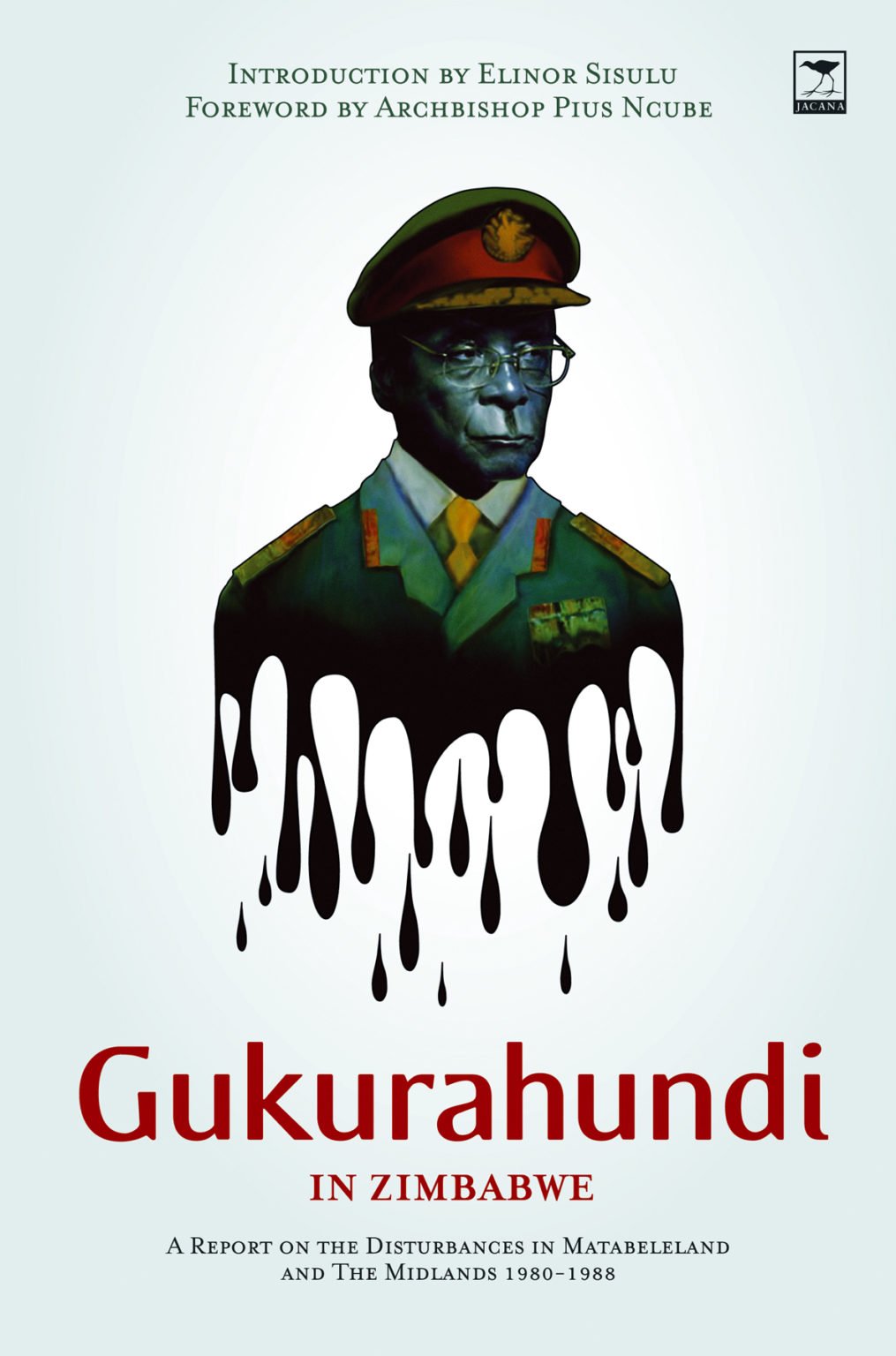
The Unity Accord, signed between Zanu PF and Zapu on December 22, 1987, marked a significant turning point in the history of Zimbabwe. It helped to end physical violence in areas where the 5th Brigade was operating, which had been responsible for the Gukurahundi atrocities since their deployment in Matabeleland in 1983.
For the first time since the 5th Brigade’s activities, the people of Matabeleland and some parts of the Midlands began to experience what is known as “negative peace.” This form of peace is characterized by the absence of direct physical violence such as killing, stabbing, or raping. With the end of curfews, roadblocks, and harassment, daily life started to return to normal in these regions.
Stores, grinding mills, clinics, and schools reopened, signaling a gradual return to normalcy. To this day, the Unity Accord is celebrated as a historic achievement in Zimbabwe’s history, with December 22 recognized as “Unity Day” every year.
However, beneath the surface of this celebration lies a deeper story of unresolved trauma and unaddressed injustices. The negotiations leading up to the signing of the Accord were dominated by Zanu PF, the main perpetrator of the Gukurahundi conflict. As noted by Sabelo Ndlovu-Gatsheni in 2009, the Unity Accord was more than just a peace agreement—it was a “surrender pact” where Zapu was effectively absorbed into Zanu PF.
This top-down approach to peacebuilding excluded local voices and was driven by national elites who sought to accommodate each other in an elite power-sharing arrangement. Zanu PF, being the party responsible for the Gukurahundi conflict, could not be held accountable within a justice system that might have prosecuted its officials.
The negotiations, which lasted from 1985 to 1987, were prolonged not due to substantive discussions but because of arguments over the name of the unified party. Zapu, the victim of the conflict, was even asked under clause (8) of the agreement to take steps to eliminate insecurity and violence in Matabeleland—placing the victim in the role of the perpetrator.
Despite ending the physical violence, the Unity Accord failed to address the root causes and consequences of the Gukurahundi conflict. There was no truth-seeking, trauma healing, remorse, forgiveness, compensation, or reconciliation embedded in the process. All negative experiences of the victims were swept under the carpet, leaving emotional and physical scars that continue to fester.
Zanu PF refused to acknowledge its active role in the conflict, instead shifting responsibility to Zapu through clause (8). Former President Robert Mugabe referred to the Gukurahundi atrocities as “a moment of madness,” but this vague statement offered no real resolution.
The negotiations themselves were not inclusive or participatory. They were an elite pact, resulting in political elites accommodating each other. Joshua Nkomo, the leader of Zapu, was made second vice-president of Zimbabwe, while some of his colleagues were given cabinet posts. However, it was only after the Unity Accord that Nkomo told fearful victims of Gukurahundi that Zapu and Zanu PF had united in a “new party” called Zanu PF.
In 2017, following a military-assisted transition, Mnangagwa promised sweeping changes, including addressing past human rights violations. His 2018 election manifesto included a commitment to capacitating the National Peace and Reconciliation Commission (NPRC) to address human rights violations. Victims of Gukurahundi hoped for justice, but the NPRC remained inactive until its termination in 2023.
Mnangagwa’s failure to act on the Gukurahundi issue suggests that his promises were more about public relations than genuine accountability. Given his history as State Security minister during the Gukurahundi era, any truth-telling process would likely implicate him, which he seems reluctant to face.
The greatest challenge in seeking redress for Gukurahundi victims lies in the asymmetrical power dynamics inherent in the processes meant to resolve the issue. Traumatized victims find it difficult to demand accountability from entrenched political elites who still control the levers of power.
The recent Gukurahundi community outreach programme initiated by the Mnangagwa administration has faced criticism for being poorly designed, partisan, and exclusionary. Using only traditional leaders, who are often seen as aligned with Zanu PF, undermines the credibility of the process.
Traditional leaders are viewed as politically connected to Zanu PF, having been “bought” through material rewards. Their involvement in the process discredits it, as it lacks grassroots support and is seen as a top-down initiative rather than a genuine bottom-up effort.
Mnangagwa’s aim appears to be more about pacifying the people of Matabeleland than achieving true reconciliation. Without acknowledgment of wrongdoing, forgiveness, atonement, and compensation, the legacy of Gukurahundi will continue to haunt Zimbabwe.


