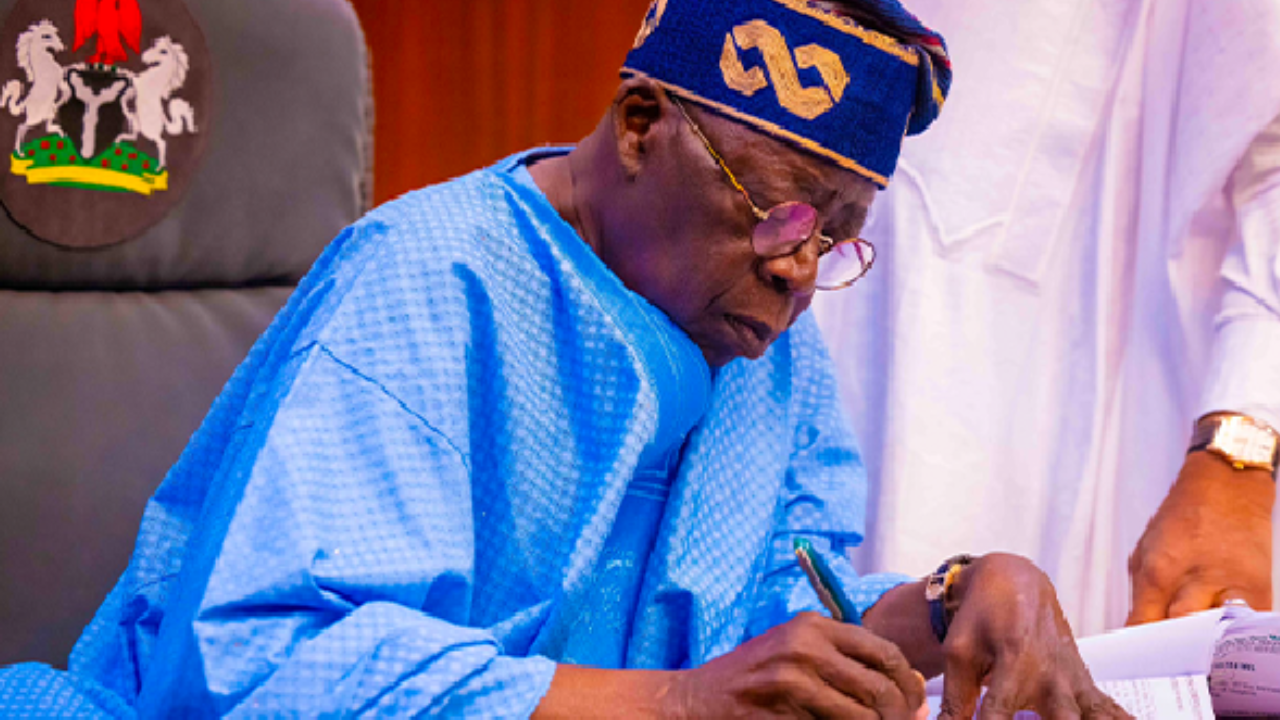
A Political Enigma: The Rise of Bola Tinubu
In recent conversations with a Nigerian political figure who is close to President Bola Tinubu, I was reminded of the complex and dynamic nature of Nigerian politics. While I have never had the pleasure of meeting the President personally, I recall seeing him once at Osun Stadium during the 2014 inauguration of Rauf Aregbesola as governor of Oshogbo. That encounter left an indelible mark on me, not because of his public persona, but because of the quiet strength he exuded.
My friend shared that while I may not know the President directly, I do know some of his family members from our shared experiences in church in Washington, DC, during the 90s. These connections are still very much alive, and they serve as a reminder of how personal ties can influence political landscapes.
Tinubu is more than just a political figure; he is a phenomenon. From his early days as a political activist, to his tenure as Lagos State governor and senator, he has always been a voice that resonates deeply within Nigerian politics. His presence is felt even in the most challenging times, and it’s clear that he holds a unique place in the hearts of many Nigerians.
The Growing Influence of Tinubu
The number of Tinubu’s admirers continues to grow rapidly. In the last two months, several governors across Nigeria have shifted their allegiances, embracing Tinubu’s party ahead of the 2027 election. This shift has led to a cascade of support from party barons and opposition members alike. Many politicians who once opposed Tinubu are now aligning themselves with him, marking a significant transformation in the political landscape.
This change is not without its challenges. Just three years ago, Tinubu faced numerous enemies, including betrayal from friends and jettisoned by party members. Ugly stories were circulated about him, and he was often criticized for his past actions. However, despite these challenges, Tinubu has managed to turn the tide in his favor.
The Transformation of Political Allegiances
Governors, senators, and members of the House of Representatives are now flocking to Tinubu’s party, driven by the promise of change and stability. They are no longer seen as mere political actors but as key players in a new era of governance. This shift has created a sense of urgency among opposition parties, leading to a collapse of their structures and a reevaluation of their strategies.
It’s fascinating to see how former adversaries have transformed into supporters. They are now singing praises of a party they once viewed as an enemy. This shift is not just about political survival; it’s about the potential for real change and progress.
The Impact of Tinubu’s Leadership
One of the key factors contributing to Tinubu’s growing popularity is the tangible impact of his policies. With increased funding to states, governors are now able to fulfill their campaign promises, such as building roads and revamping healthcare facilities. This local focus has helped to rebuild trust between the government and the people.
Additionally, Tinubu’s decision to shut down oil subsidies has allowed for more resources to be directed towards critical infrastructure projects. The recent approval of $3 billion for the Eastern Rail Projects is a testament to this commitment. This investment is expected to transform the transportation sector and drive national economic growth.
The Future of Nigerian Politics
As the 2027 election approaches, the political landscape is evolving rapidly. Even those who once opposed Tinubu are beginning to see the value in his leadership. This shift is not just about political strategy; it’s about the potential for a brighter future for Nigeria.
Ancient Greek tragedian Aeschylus once said, “It is not the oath that makes us believe the man, but the man that makes us believe the oath.” This sentiment rings true in the context of Nigerian politics. When Tinubu made his vows during the 2023 electioneering, many Nigerians believed in him. And as his promises begin to materialize, so too does the hope for a better future.
Conclusion
Nigerians are still navigating the challenges of life, but there is a growing sense of optimism. The modest results achieved in just two-and-a-half years under Tinubu’s leadership are a sign that the rescue mission he has embarked on is gaining momentum. As the nation looks ahead, there is a collective determination to wait for the long-term benefits of his vision.
In a political landscape that is ever-changing, Tinubu’s journey serves as a reminder of the power of perseverance, resilience, and the potential for transformation. Whether one supports him or not, there is no denying the impact he has had on the political narrative of Nigeria.


