The Legacy of the Nepal-India Currency Peg
Nepal’s economic trajectory has always been closely intertwined with its neighbor, India. This relationship is deeply embedded in the country’s geography, trade patterns, and political history. One of the most enduring aspects of this connection is the long-standing currency exchange rate peg between the Nepali rupee (NPR) and the Indian rupee (INR). Established in the 1960s, this peg has undergone several revisions over the decades, often in response to balance-of-payments pressures or misalignments in exchange rates.
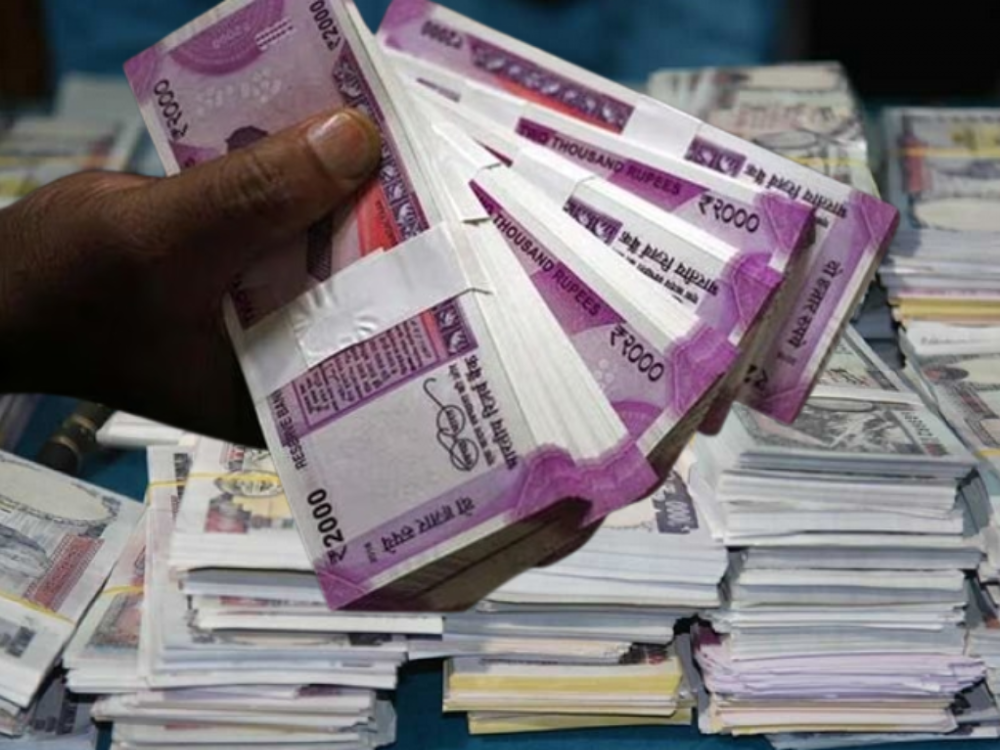
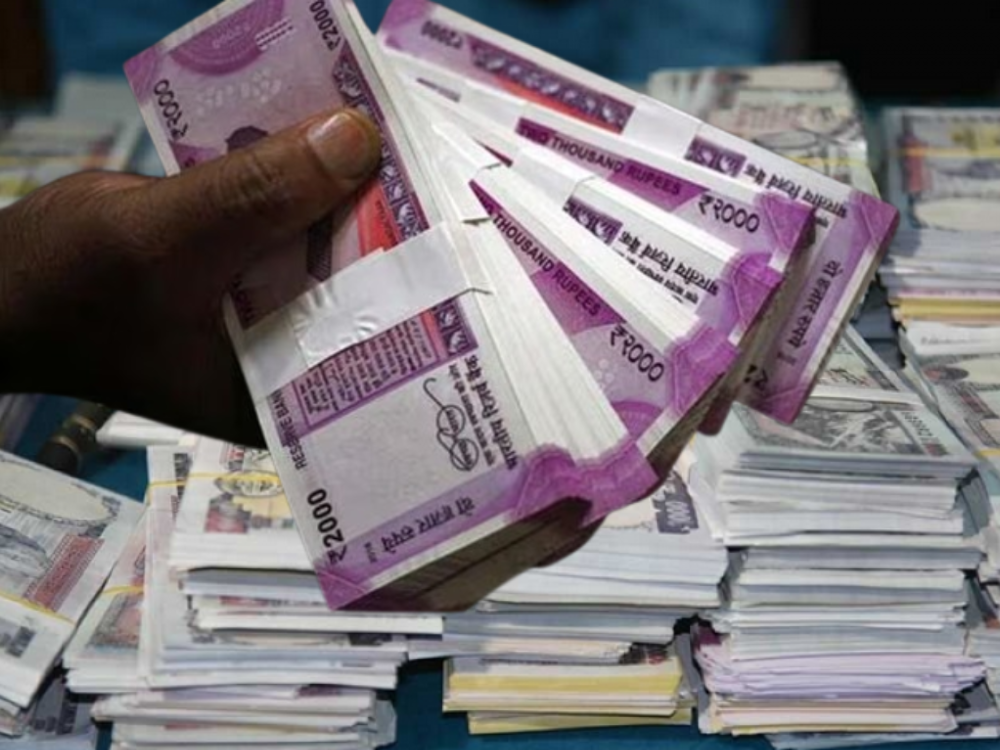
Today, the peg stands at Rs1.6 per INR1, a figure that has become a reference point for traders, bankers, and households. It provides a sense of stability in a country where the economy remains heavily reliant on imports and where foreign exchange markets are limited. However, as Nepal faces growing challenges—such as rising import costs, a persistent current account deficit, and a complex geopolitical environment—the question of whether this peg still serves the country’s best interests has resurfaced.
Why the Peg Has Endured
The persistence of the peg can be attributed to several factors. First, it offers a degree of predictability in a market where most essential goods, from fuel to food to pharmaceuticals, flow through India due to logistical constraints. Approximately two-thirds of Nepal’s trade moves directly or indirectly through India, making the INR an unavoidable benchmark.
This dependency creates a structural imbalance, with Nepal relying heavily on a single trading partner. In such a scenario, the peg acts as a stabilizing force. It helps anchor inflation expectations and reduces the risks associated with fluctuating exchange rates in cross-border transactions. While it may seem like a limitation, the peg also ensures that the majority of Nepal’s economic interactions remain manageable and less volatile.
Floating but Anchored
Despite the perception that the Nepali rupee floats against other major currencies like the US dollar, euro, or British pound, the reality is more complex. These “floating” rates are not determined by supply and demand in the domestic foreign exchange market. Instead, they are derived rates: banks use the INR-USD rate and apply the fixed NPR-INR peg to set the value of the NPR against other currencies.
This system effectively means that Nepal operates under an anchored exchange rate regime. The rupee’s value is largely dictated by the Indian currency, which has been the default design choice for decades. While some argue for full de-pegging, the underlying mechanics suggest that the peg is far more entrenched than it appears.
Political and Geopolitical Implications
A recurring debate centers on whether the peg reinforces Nepal’s geopolitical dependence on India. It is true that currency pegs tie a country’s monetary policy to that of the anchor nation. If India raises interest rates, Nepal feels the impact. If India experiences inflation, Nepal may inherit some of it. In this way, when India sneezes, Nepal gets the flu.
However, it is important to recognize that geopolitical dependence is not solely a result of the peg. Economic autonomy is built on a foundation of diversified trade, fiscal discipline, strong institutions, and robust domestic production. Currency regimes are tools, and their effectiveness should be judged based on outcomes rather than perceptions.
Historical Context and Missed Opportunities
There have been moments in history when de-pegging seemed plausible. During the 1990s, Nepal was undergoing rapid liberalization, and the economy was opening up faster than India’s in some respects. The end of the Jana Andolan movement created a window of political space, and there was optimism about economic reforms. At the same time, India was facing its own balance-of-payments crisis, with foreign reserves at dangerously low levels.
This period offered a rare opportunity for Nepal to re-evaluate its monetary strategy. However, these discussions lost momentum as political instability and institutional weaknesses took hold. The Maoist insurgency further disrupted progress, and the window for bold experimentation closed.
In 2006, after the end of the conflict, there was hope for a new beginning. A favorable re-pegging could have provided a much-needed confidence boost, lowering prices and signaling a fresh start for ordinary citizens. But macroeconomic fundamentals were too weak, and the focus shifted to constitutional debates and the aftermath of the earthquake.
Current Challenges and the Path Forward
Today, Nepal faces a more mundane but equally pressing challenge: an economy stuck in structural stagnation. Weak productivity, a demoralized private sector, and governance issues plague the country. Unhooking the rupee from the Indian currency in this context could lead to significant turbulence, given the shallow markets and limited foreign exchange reserves.
Instead of focusing on immediate de-pegging, Nepal must prioritize structural reforms. Strengthening the export sector—through hydropower, tourism, food processing, niche manufacturing, and clean energy-powered computing—can generate more foreign currency and reduce reliance on remittances. Modernizing foreign exchange markets by introducing forwards, swaps, and hedging tools is also critical.
A Middle Path: Managed Crawl
While the peg may seem outdated, it is not inherently harmful if it continues to serve its purpose. However, there is no need to cling to it indefinitely. When Nepal is ready for serious structural reforms, it can consider a rule-based adjustable peg or a managed crawl—a system that keeps the rupee tied to the INR but allows for small, transparent adjustments over time.
This approach would provide stability while offering flexibility to correct misalignments gradually. It would allow the central bank to manage the currency regime more proactively, ensuring that Nepal remains anchored but not constrained.