When you buy second-hand, it’s a smart move for your wallet and the planet, but it can sometimes reveal quicksand. There’s a fine line between a hidden defect and an outright scam, so don’t let your heart’s desire blind you. This guide is not designed to frighten you, but to put you on your guard and possibly turn you into a detective. Before you pull out your checkbook or open an app to pay, practice this top 10 second-hand pitfalls: spot them before you sign. Learn to read between the lines, otherwise you’ll be left with nothing but tears in your eyes.
Introduction

When you buy second-hand, it’s a smart move for your wallet and the planet, but it can sometimes be a minefield. Between hidden defects and outright scams, the line is thin, so don’t let your heart’s desire blind you. This guide is not designed to scare you, but to put you on your guard and possibly turn you into a detective. Before you take out your checkbook or open an app to pay, practice on these top 10 secondhand pitfalls: spot them before you sign. Learn to read between the lines, or you may end up with nothing but your eyes to cry with.
Artificial urgency
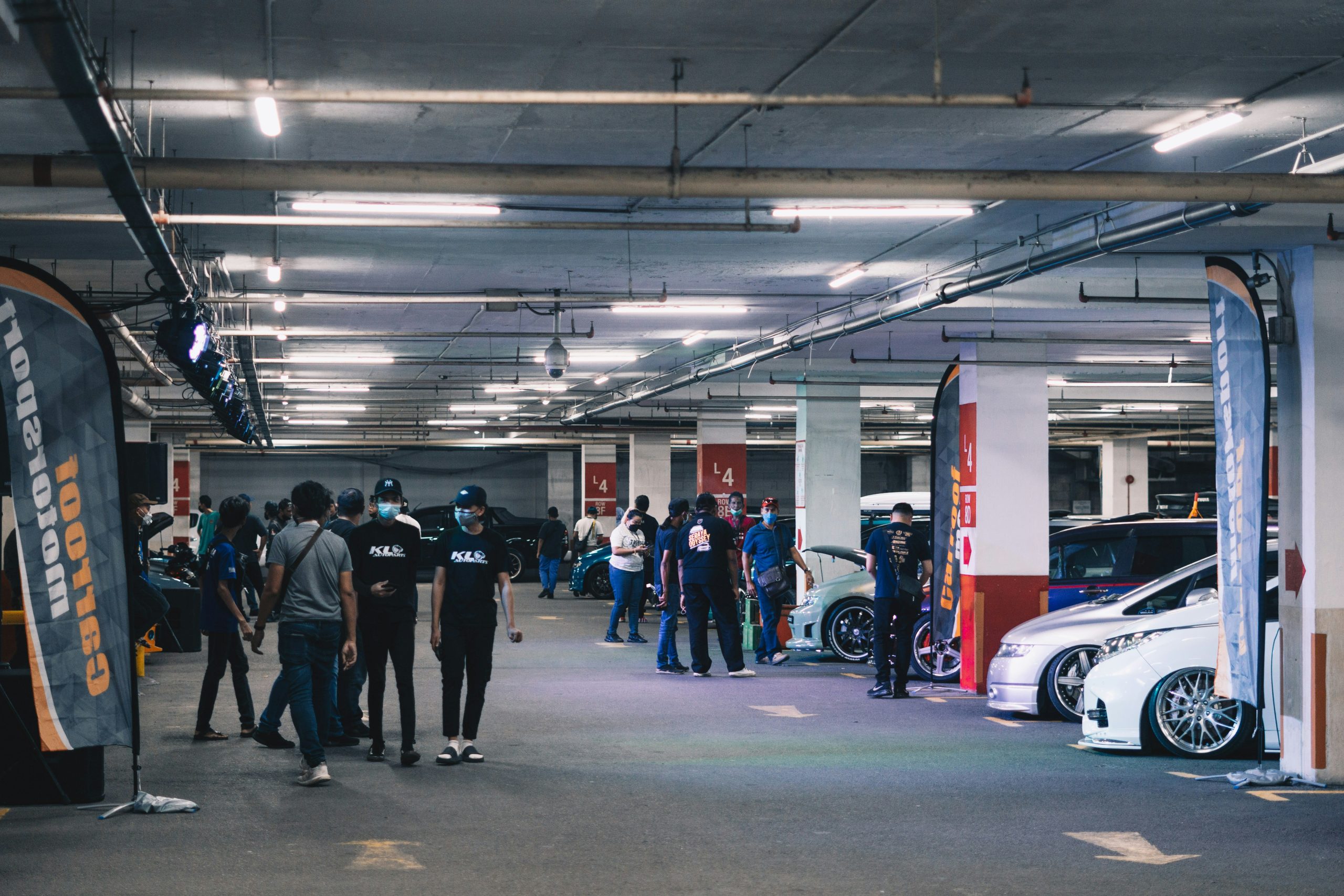
The trap looks like this: “I already have three people interested, so decide quickly.” It’s the oldest sales technique in the book. It aims to short-circuit your judgment by creating social anxiety about missing out (FOMO). An honest seller will give you time to inspect everything at your leisure without pressuring you.
The “too good to be true” price

Someone offers you a car with no scratches at 50% off. When the price defies all market logic, it’s probably a big scam. Behind this supposed gem may lie a stolen product, a counterfeit, or a vehicle with a major hidden structural defect. Keep your eyes peeled.
Catalog photos

The owner displays official photos provided by the manufacturer or found on Google. If there are no photos of the car in its environment, be aware that the seller is probably hiding the actual condition of wear and tear. Or worse: that they don’t even own the item in question. Be wary of perfection.
Refusal of a live test
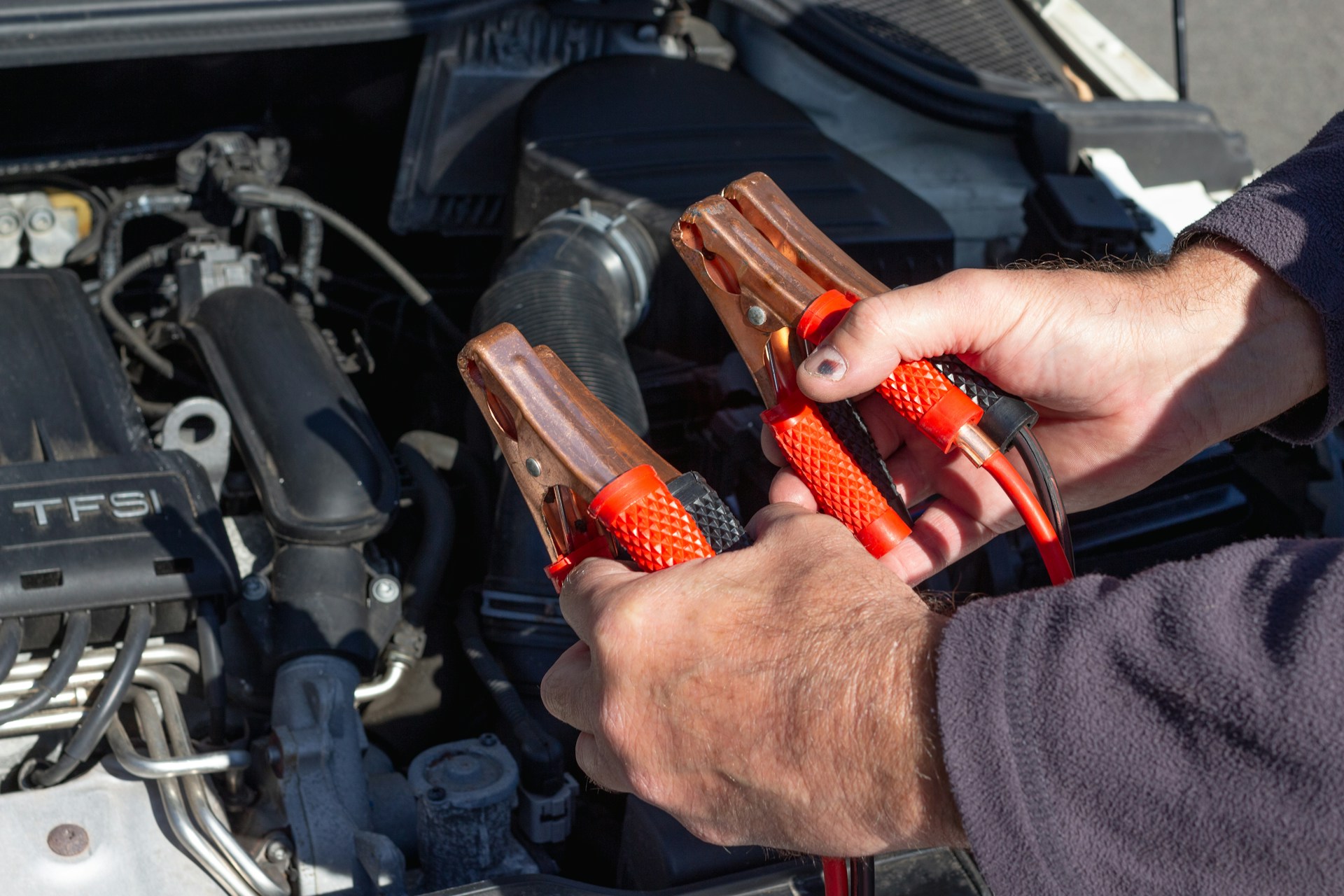
Have you ever heard excuses such as “The battery died” or “I don’t have the cables”? Any excuse that prevents you from starting the vehicle or trying it out is a red flag. A vehicle that the seller refuses to let you test drive should be considered non-functional. Never buy a promise.
The lost maintenance history

For a vehicle, the absence of invoices is suspicious. The answer “I do everything myself” is often code for “It’s been cobbled together with whatever was available.” A maintenance logbook with blank or torn pages is a red flag. Without proof of regular maintenance, you are buying a technical time bomb whose repair costs will exceed the initial savings.
The seller who changes their profile

The seller tells you that their profile was created yesterday, so they have no reviews. Or, on the contrary, they have 50, all dated the same week. Scammers use disposable or hacked accounts. Always favor established profiles with a real history and detailed comments from other buyers.
Off-platform payment

The seller asks you to use WhatsApp and offers payment via Western Union, cash money order, or “between friends” on PayPal. These methods void all your buyer protections and your options for reimbursement in the event of a dispute. Once the money is sent, the seller disappears and you have no legal recourse to recover your funds.
Falsified mileage
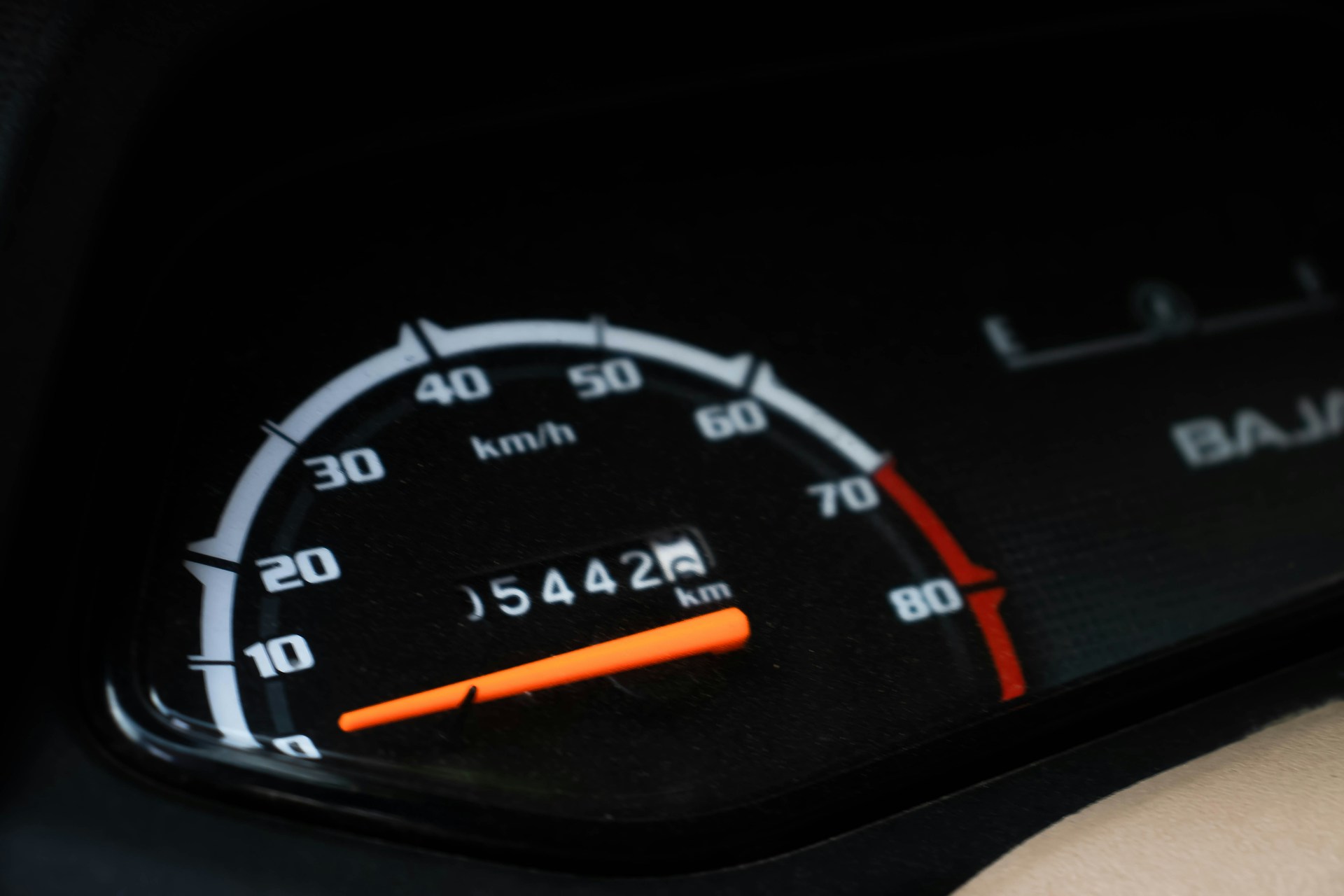
A low mileage reading on the odometer, but smooth pedals and a worn steering wheel? This is a classic car fraud. Check that the digital display matches the physical wear and tear on the contact points. Consult online reports, such as HistoVec, to track mileage jumps between two technical inspections.
Strange meeting location

If the seller insists on meeting you in a deserted place, in a highway parking lot, or late at night, be on your guard. Your safety is worth more than any bargain. Always insist on a public, busy, and well-lit place (such as a supermarket parking lot or in front of a town hall) for the transaction.
Hidden and disguised defects

Fresh paint on a rusty area, a sticker over a crack, or a product that looks too clean (engine washed with a hose)? This “makeup” is used to divert your attention from structural defects. Always look where the seller doesn’t want you to look: underneath, at the joints, and in the corners.