Impact of the Government Shutdown on Airport Security Programs
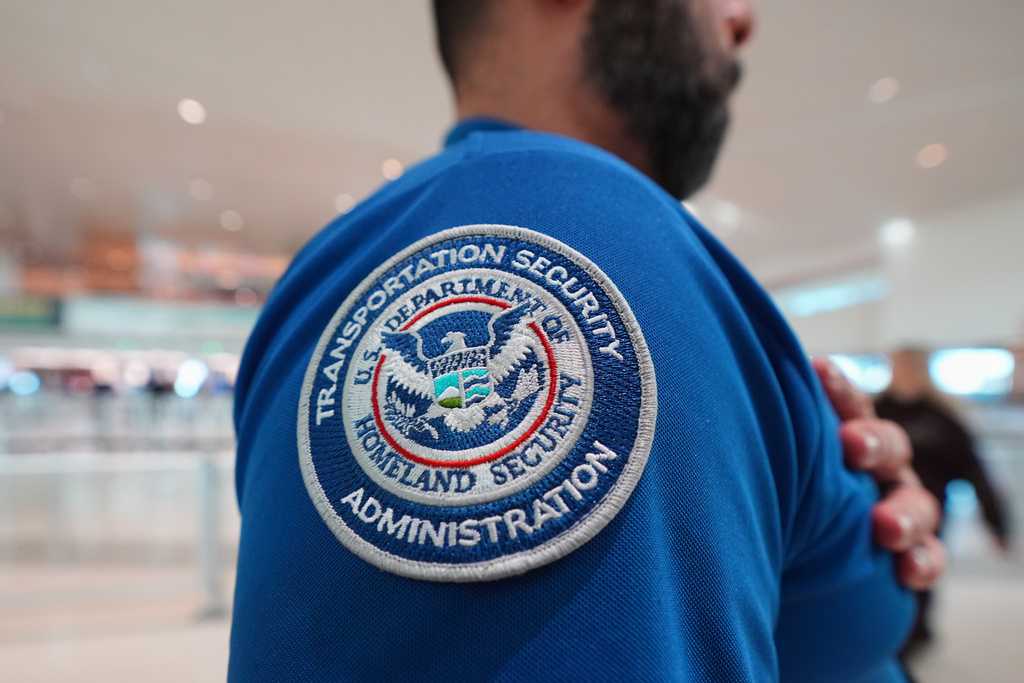
The Department of Homeland Security (DHS) has announced that the Global Entry program will be shut down as long as the partial government shutdown continues. This decision comes after an initial plan to also suspend the Transportation Security Administration’s (TSA) PreCheck program, which was later reversed. The uncertainty surrounding these programs has caused confusion among travelers and raised concerns about the broader implications of the shutdown.
Why the Shutdown Matters
The partial government shutdown began on February 14 after Democrats and the White House failed to reach an agreement on legislation to fund the Department of Homeland Security. A key point of contention is the demand for changes to immigration operations that are central to President Donald Trump’s deportation campaign. As a result, various agencies have had to make difficult decisions about their operations, including the potential closure of programs like Global Entry and PreCheck.
Global Entry is a program run by U.S. Customs and Border Protection that allows pre-approved, low-risk travelers to use expedited kiosks when entering the United States from abroad. Travel industry experts estimate that this program can significantly reduce the time it takes to get through customs, cutting wait times from 30 to 90 minutes to just 5 to 10 minutes in Global Entry lines.
Current Situation at Airports
Despite the announcement, airport lines seemed largely unaffected through midday Sunday, with security check line wait times listed as under 15 minutes for most international airports, according to the TSA’s mobile app. However, some travelers reported longer wait times due to the shutdown of the Global Entry program.
Blair Perkins, a traveler from Dallas, shared her experience after returning from Cancun. She noted that the regular line was long but moved fairly quickly, though she found the process to be slower than usual. “With Global Entry, it usually takes less than five minutes to get through customs,” she said. “Sunday, it took about 30 minutes.”
Perkins expressed frustration with the situation, feeling that Washington was using travelers as a pawn in political negotiations. “It feels like Washington is using travelers as a pawn to try to, I guess, persuade the other side to do what they want,” she said.
Reactions from Industry and Officials
The DHS had previously stated that it was taking “emergency measures to preserve limited funds.” These steps included ending TSA PreCheck lanes and CBP Global Entry service to refocus personnel on the majority of travelers. However, the decision to keep PreCheck operational was welcomed by industry leaders.
Geoff Freeman, president and CEO of the U.S. Travel Association, praised the decision, stating, “We are glad that DHS has decided to keep PreCheck operational and avoid a crisis of its own making.”
Before announcing the PreCheck shutdown, Secretary Kristi Noem emphasized the serious real-world consequences of the shutdown. She also announced that courtesy escorts for members of Congress at airports would be removed during the shutdown.
Mixed Experiences at Airports
Jean Fay, a traveler from Baltimore, reported no issues going through TSA PreCheck at the airport for her early morning flight. However, she only learned about the shutdown after landing in Austin, Texas, while changing planes on her way to Dallas Love Field.
“Airlines for America, a trade group representing major carriers, criticized the announcement, calling it “issued with extremely short notice to travelers, giving them little time to plan accordingly.” The organization expressed deep concern over the suspension of TSA PreCheck and Global Entry programs, suggesting that the traveling public is being used as a political football amid another government shutdown.
Political Criticism
Democrats on the House Committee on Homeland Security criticized the administration’s handling of airport security after the initial announcement. They accused the administration of “kneecapping the programs that make travel smoother and secure.” Sen. Andy Kim, a New Jersey Democrat, claimed that the actions were part of a strategy to distract from other issues and shift responsibility.
“This administration is trying to weaponize our government, trying to make things intentionally more difficult for the American people as a political leverage,” he told CNN. “And the American people see that.”
Looking Ahead
As the government shutdown continues, the impact on travelers remains a pressing concern. While some programs have been kept open, others face uncertainty. The situation highlights the broader challenges of maintaining essential services during political gridlock and the need for swift resolution to prevent further disruptions.