The Controversy Over Reparations and the Misinterpretation of a Report
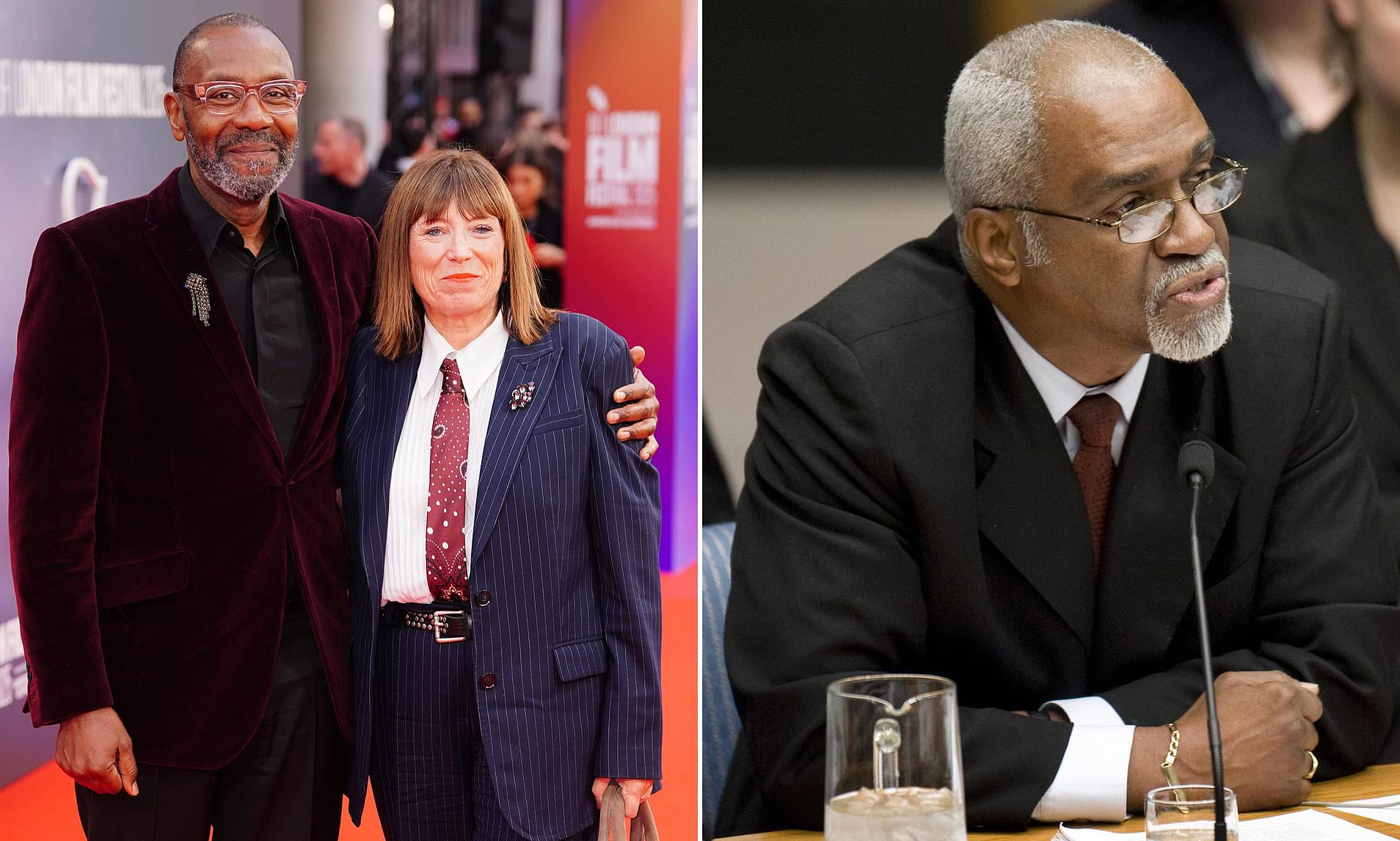
Sir Lenny Henry, a prominent British comedian and activist, has sparked significant debate with his claim that the UK owes more than £18 trillion in slavery reparations. However, the former UN judge who led the study behind this figure has clarified that Sir Lenny’s interpretation was incorrect.
In his new book, The Big Payback, Sir Lenny argues that all black Britons should receive reparations for the historical injustices caused by the transatlantic slave trade. He proposed a “Robin Hood tax” on financial transactions to fund these reparations. This idea is based on a report published by the University of the West Indies in June 2023, which suggested that the UK owed over £18 trillion in reparations. The report estimated that if Britain paid off the reparations over 25 years at an interest rate of 2.5%, it would amount to about £740 billion annually.
However, the authors of the report have pointed out that this figure was not meant to be an exact calculation but rather an estimate to spark discussion on reparations. They emphasized that the total was not an “invoice” but a starting point for negotiations. The report also noted that the sum included reparations for 14 countries, including former Caribbean colonies, but did not account for the UK’s black population.
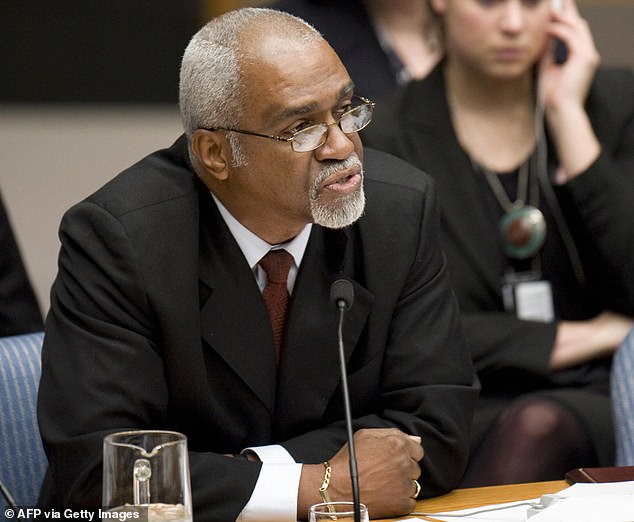
Sir Lenny acknowledged this in his book and argued that the UK should provide an additional unspecified amount to its black population due to the lasting effects of slavery. The report’s lead author, Patrick Robinson, a former judge at the International Court of Justice, has since clarified that the figures were only recommendatory and could be adjusted through negotiations between the UK and affected nations.

Key Figures from the Brattle Group Report
The Brattle Group report, titled Reparations for Transatlantic Chattel Slavery, was supported by a team of economists, lawyers, and historians. It aimed to quantify the reparations owed by former slaveholding states. Here are some of the key figures cited:
- Jamaica: £7,169,250,000,000
- Barbados: £3,679,500,000,000
- USA: £2,508,000,000,000
- Saint Kitts and Nevis: £1,216,500,000,000
- Antigua and Barbuda: £960,000,000,000
- Grenada: £749,250,000,000
- Dominica: £648,000,000,000
- Guyana: £399,750,000,000
- British Overseas Territories: £357,000,000,000
- Trinidad and Tobago: £123,750,000,000
- British Virgin Islands: £99,750,000,000
- Saint Lucia: £51,750,000,000
- Bahamas: £43,500,000,000
- Belize: £1,500,000,000
Total: £18,008,250,000,000
Patrick Robinson highlighted in a letter to the Daily Mail that the report included a crucial qualification: the sums listed were not binding but rather recommendatory. He explained that the UK and other countries could negotiate the final amounts, and the interest rates could also be adjusted.
Addressing Reparations for Black Britons
While the report focused on former colonies, it acknowledged the urgent need to address reparations for black Britons. Sir Lenny argued that modern-day racism and institutionalized discrimination can be traced back to the transatlantic slave trade. He called for reparations to dismantle the foundations of Western society built on slavery and racism.
In the book, Sir Lenny explored how such a massive sum could be generated. One proposal was a financial transactions tax, or “Robin Hood tax,” which could generate up to £117 billion per day if applied globally. Another idea was “repurposed financial sanctions,” where fines imposed on countries for crimes could be redirected to victims of slavery.
Historical Context and Government Stance
Britain played a central role in the transatlantic slave trade, which peaked in the 1700s. Enslaved Africans were transported to British colonies, and goods like sugar, tobacco, and cotton were brought back to the UK. The Slavery Abolition Act of 1833 compensated plantation owners but left enslaved people without reparation.
Calls for reparations have grown in recent years, with groups like Caricom proposing a 10-point plan for economic development and reparatory justice. Some Labour MPs have criticized the government for not engaging in discussions about reparations, while Foreign Secretary David Lammy has stated that the UK will not make cash transfers related to the slave trade.
Despite public awareness of the £20 million paid to slave owners in 1833, successive UK governments have never formally apologized for their role in the slave trade. Prime Minister Keir Starmer has downplayed concerns about the past, suggesting that focusing on the future is more important.
The debate over reparations continues, with many questioning whether the UK should acknowledge its historical role and take meaningful steps toward justice.


