The Women, Peace and Security Agenda: A Quarter-Century of Progress and Persistent Challenges
Twenty-five years after the launch of the Women, Peace and Security (WPS) agenda, the United Nations is highlighting a concerning gap in women’s participation in peace processes. Despite the framework’s goals, women are still underrepresented in negotiations and mediation efforts globally. This issue has become even more pressing as global conflicts reach their highest level since 1946.
In 2024, the Uppsala Conflict Data Programme reported 61 active conflicts involving at least one state, marking the most significant number since World War II. During this time, only 7% of negotiators and 14% of mediators in peace processes were women. These statistics underscore the urgent need for renewed commitment to the WPS agenda.
A Global Call for Action
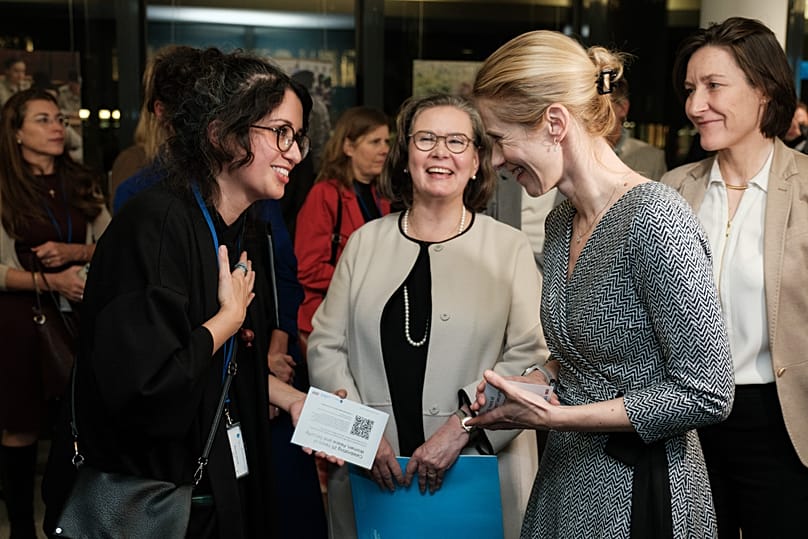
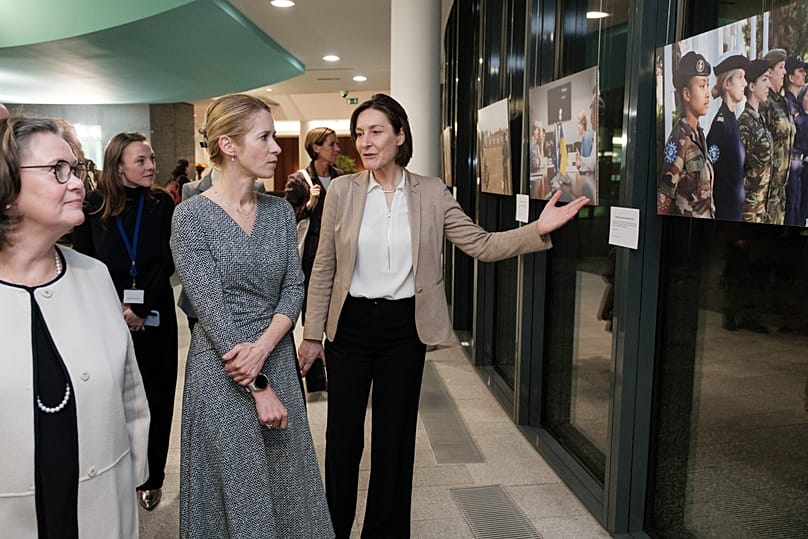
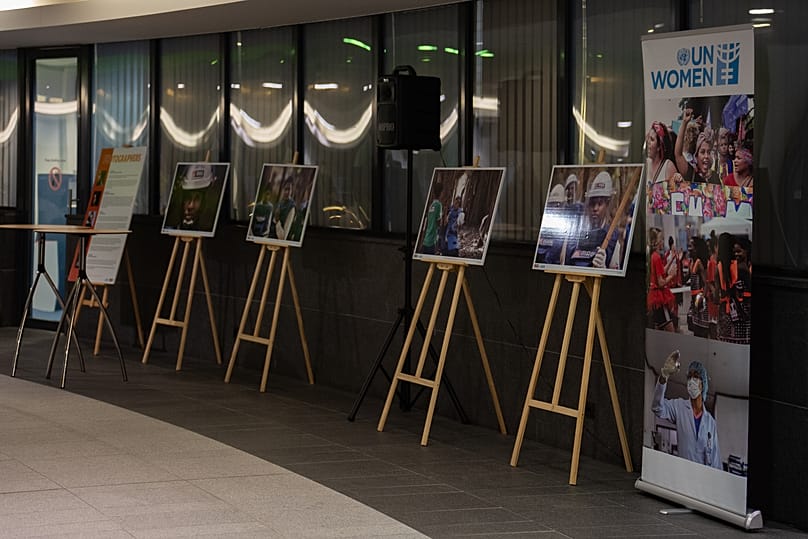
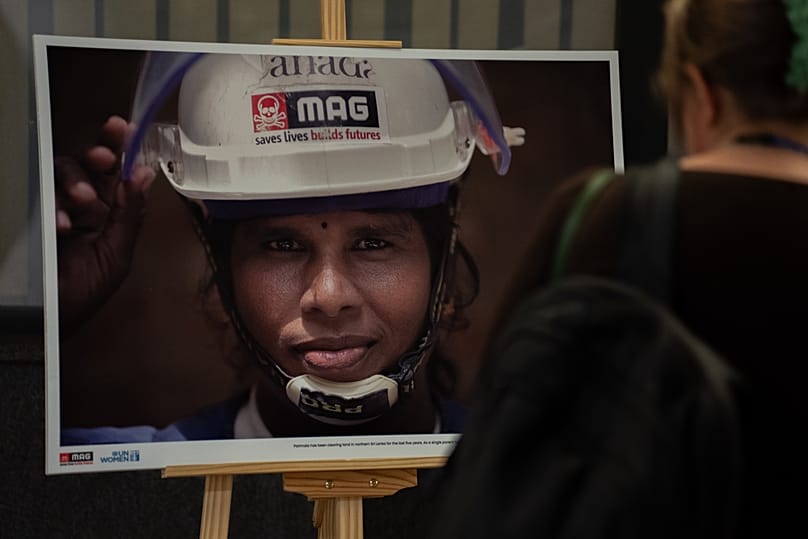
Deputy Executive Director of UN Women, Kirsi Madi, emphasized the importance of women’s roles in peacebuilding during her speech at the inauguration of a photo exhibition in Brussels. The exhibition, which celebrates the contributions of women to the WPS agenda, features powerful images of women on the frontlines of conflict—leading mediation efforts, supporting survivors, and rebuilding communities.
Madi stated, “25 years later, the world is still choosing war over peace and women are still paying the price.” She urged all stakeholders to reaffirm women’s central role in peace and security, ensuring that gender equality remains a priority in global peacebuilding and development.
Understanding the Women, Peace and Security Agenda
The WPS agenda was established through UN Security Council Resolution 1325, adopted on 31 October 2000. This landmark resolution recognized the unique impact of armed conflict on women and girls and called for their equal participation in conflict prevention, resolution, and post-conflict recovery.
Since its adoption, the WPS agenda has evolved into a comprehensive global framework promoting gender-responsive approaches to peace and security. The UN Security Council has passed nine additional resolutions on the agenda, and over 100 countries have implemented National Action Plans to meet its commitments.
This year also marks the 30th anniversary of the Beijing Declaration and Platform for Action, a global blueprint for advancing women’s rights that laid the foundation for the WPS agenda.
Capturing the Human Side of Peacebuilding
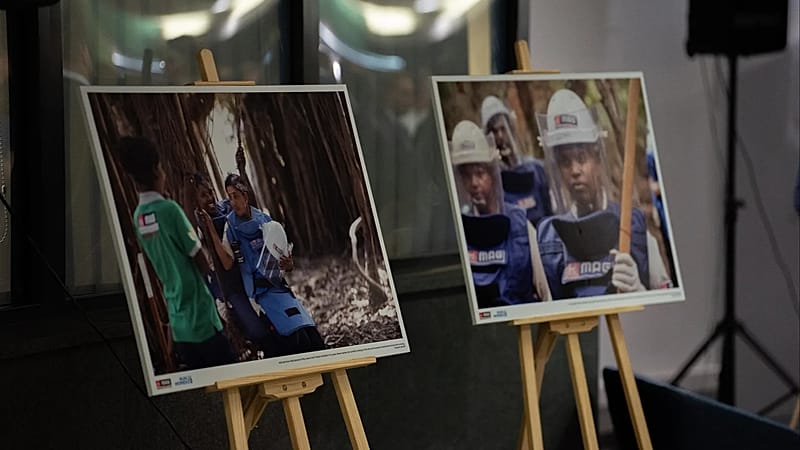
Among the works displayed in Brussels is the Female Lens project by the Mines Advisory Group (MAG). This initiative collaborated with five women photographers to document the critical role women play in rebuilding communities after conflict.
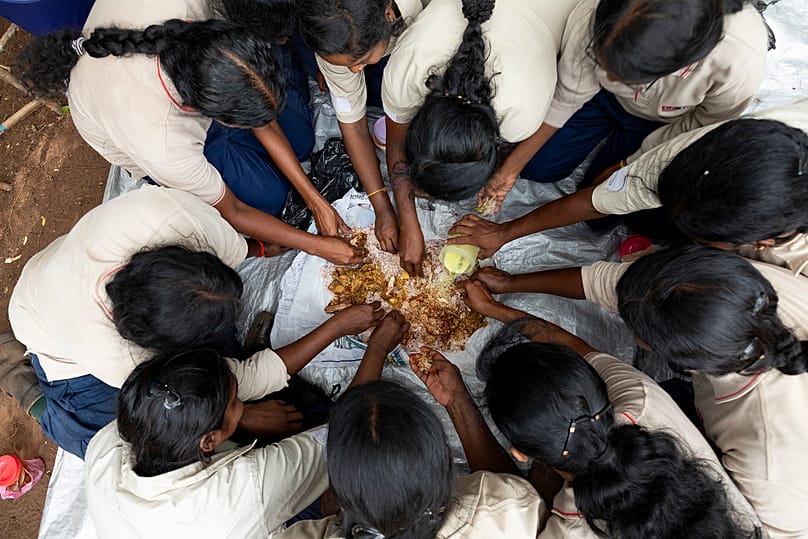
Maryam Ashrafi, an Iranian photographer based in Paris, shared her experience working with women deminers in Sri Lanka. She described the challenges of removing explosive remnants of war, emphasizing that the aftermath of conflict often lingers long after the fighting stops.
Ashrafi noted, “People think that when war is over, peace comes quickly. But it’s a long way to peace and security.” Her photographs highlight not only the dangers faced by these women but also the resilience and solidarity they demonstrate in their daily work.
Grassroots Organizations Leading the Way
The exhibition in Brussels serves as a reminder of the vital role women play in peacekeeping, both at the negotiating table and on the ground. EU foreign policy chief Kaja Kallas emphasized that there is no lasting peace without women’s active participation in the process.
Kallas announced an additional €12 million in funding from the EU to support civil society organizations in the Middle East and the Great Lakes region. This funding will focus on strengthening women’s organizations and protecting women human rights defenders.
Despite progress made over the past 25 years, a UN report revealed a global backlash against women’s rights in a quarter of countries in 2024. This makes the work of women human rights defenders more dangerous than ever.
Addressing New Challenges
The evolving landscape of global issues presents new challenges for the WPS agenda. Climate change, artificial intelligence, and online violence are now key concerns that were not prominent two decades ago. Additionally, the reduction in international aid from donors contrasts sharply with increased military spending, creating further obstacles for women’s full participation in peace processes.
Madi highlighted the broader definition of security, stating, “Security is not just the absence of war, but security also means that communities are protected, that they have opportunities, that there is cohesion and they are protected and human rights are guaranteed.”
She described the current situation as an “uphill battle,” stressing the need for strong commitment and true accountability rather than empty promises.
The Path Forward
As the WPS agenda enters its next phase, there is a growing recognition of the need to update and reinforce its goals. While many countries remain committed to the agenda, the challenges of today require innovative solutions and sustained efforts.
The stories captured in the photo exhibition serve as a powerful reminder of the strength and resilience of women in the face of adversity. Their contributions are essential to building a more peaceful and equitable world.