The Resurrection of the Christ and the Changing Image of Jesus
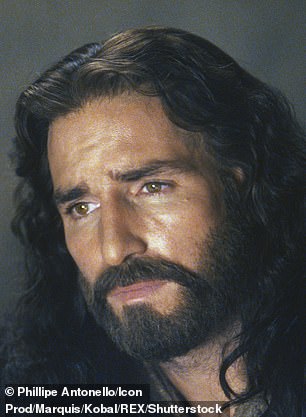
Mel Gibson’s highly-anticipated sequel to The Passion of the Christ has sparked controversy among fans, as it is set to feature a new cast due to the time gap since the original 2004 film. The original movie, which followed the final 12 hours of Jesus Christ’s life, starred Jim Caviezel as Christ. However, The Resurrection of the Christ, set three days after the crucifixion on Good Friday, will now be portrayed by Finnish actor Jaakko Ohtonen.
This shift in casting has led many to question what Jesus actually looked like and whether Ohtonen bears any resemblance to the historical figure. According to historians, Jesus would have appeared as an unremarkable member of Judean society in the first century AD. However, he would have been strong and lean, given the manual labor involved in his daily life.
Dr Meredith Warren, a senior lecturer on Biblical and religious studies at Sheffield University, explained that muscular depictions of Jesus are not entirely inaccurate. She noted that Jesus came from a family where manual labor was the norm, and he likely engaged in a lot of walking, which contributed to his physical fitness.

Beard and Hair
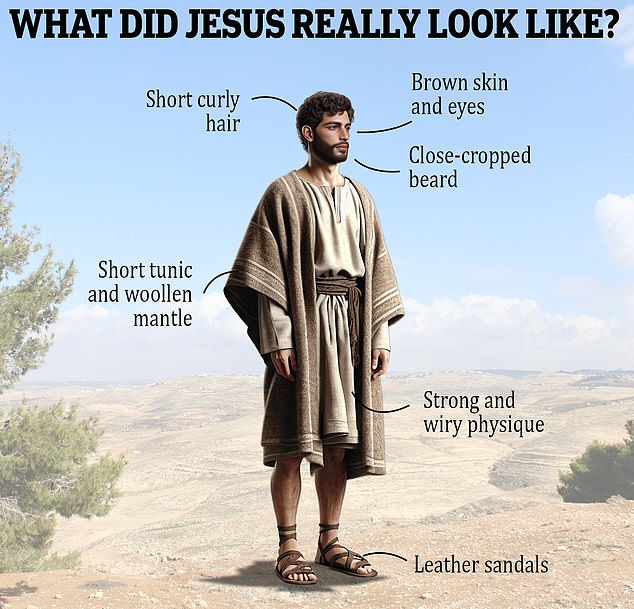
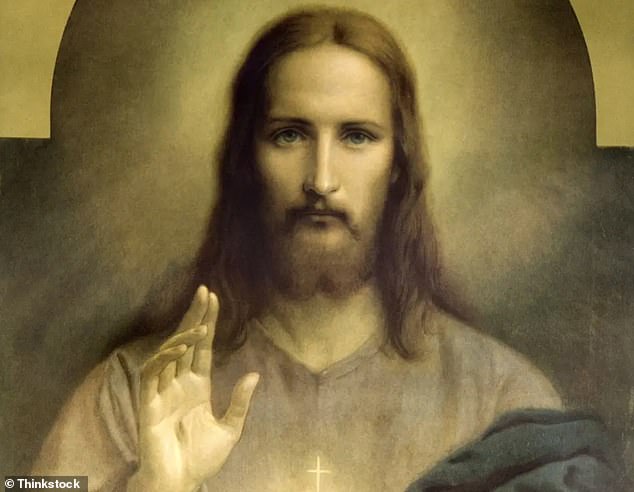
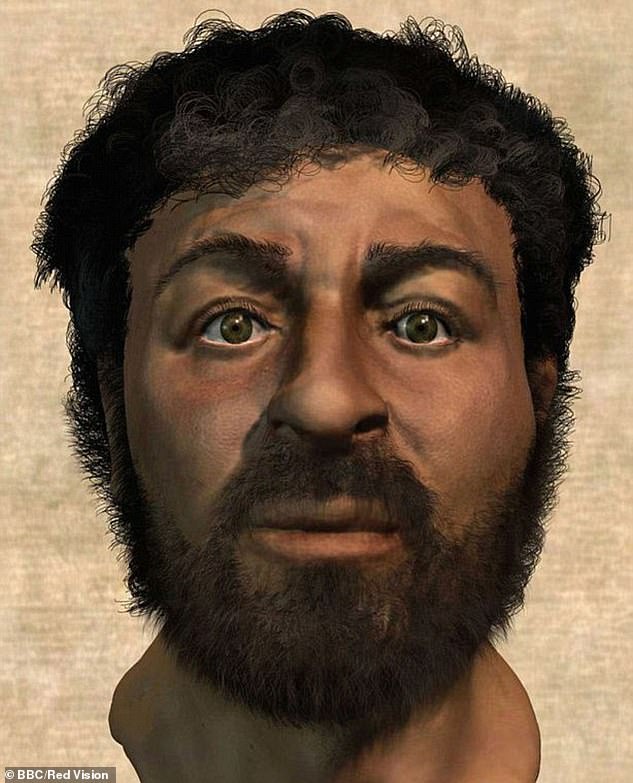
One of the most common images of Jesus today features brown, flowing shoulder-length hair and a full beard. However, these portrayals do not align with historical evidence. Jesus was ethnically Judean and lived in what is now modern-day Palestine. His hair and beard would have been black and curly rather than brown and straight. It is also likely that he kept his hair and beard short, as beards were not always in fashion during the Roman era.
While being clean-shaven was popular among Romans, Jesus, as a Jew, probably maintained a well-trimmed beard. This may have been influenced by religious customs or personal grooming preferences.
What Would Jesus Have Really Looked Like?
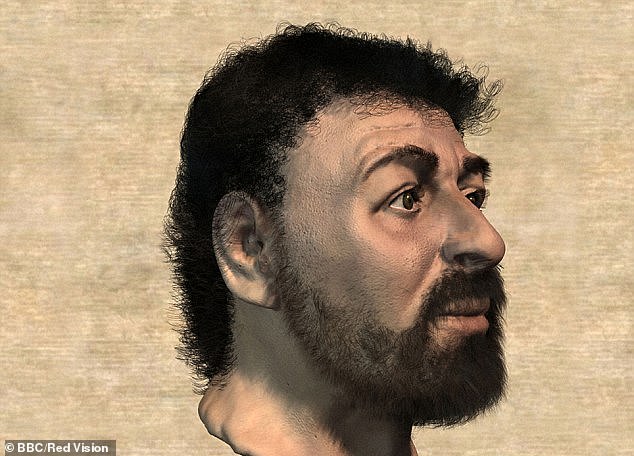
Based on historical research, Jesus would have had short, curly hair and a well-trimmed beard. His facial features would have reflected his Middle Eastern heritage, with dark skin and brown eyes. He would have been lean and wiry due to his lifestyle, which included manual labor and a poor diet.
Jesus likely wore a short tunic and an undyed woolen mantle with tassels. Roman coins from the period show captive Judeans sporting short curly beards, suggesting this might have been the fashion of the time.
Joan Taylor, professor of Christian origins at King’s College London, explained that long hair and beards in ancient Judaism often signified special vows, such as abstaining from wine. Since Jesus was accused of drinking too much, he likely did not keep such a vow.
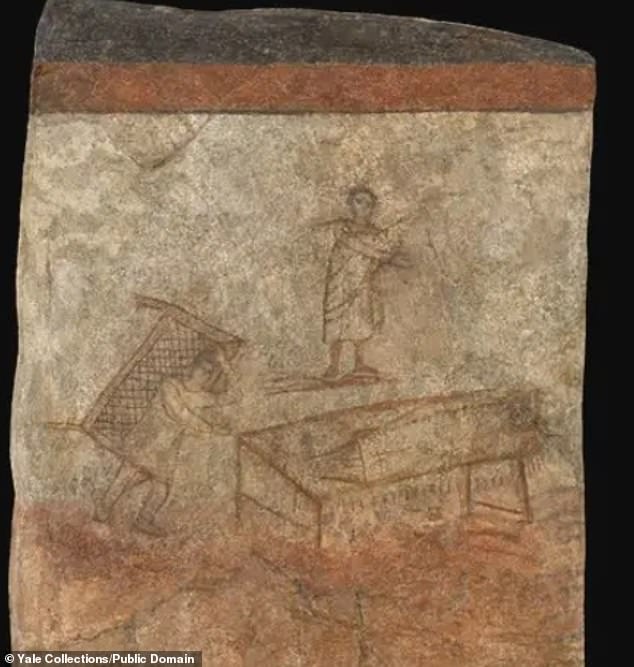
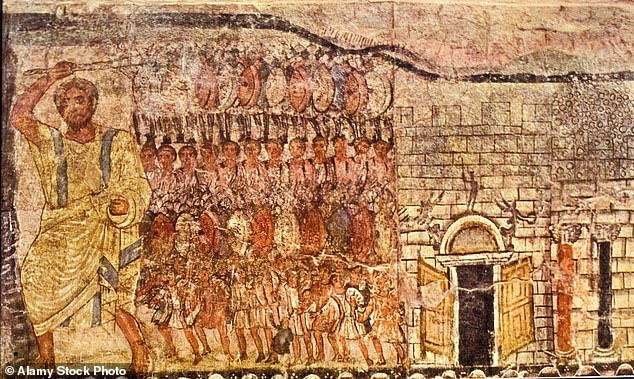
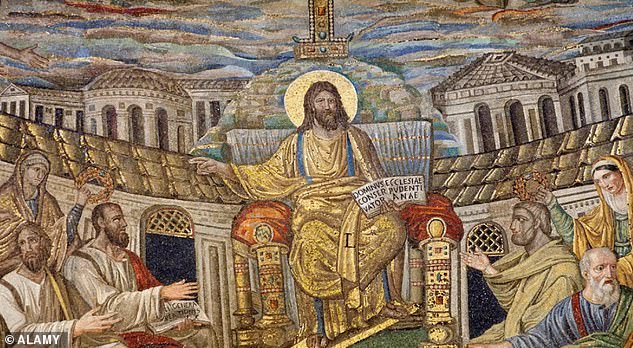
Dr Warren added that the depiction of Jesus evolved over time. In the first century AD, long hair on men was considered unseemly, but by the fourth century AD, images of Jesus began to feature long hair and beards depending on what the artists wanted to emphasize.
Facial Features
The Bible does not provide detailed descriptions of Jesus’ appearance, but experts have pieced together some information based on the few biographical details available. Dr Warren suggests that Jesus would have had brown skin, brown eyes, and a face marked by lines from years of outdoor work. His hands and feet would have been calloused from labor.
To get more specific details, scholars look at other people living in the region at the time. One of the few things the Bible tells us about Jesus’s appearance is how indistinct he seemed to be. Soldiers needed Judas to identify him in the Garden of Gethsemane, and Mary Magdalene mistook him for a gardener.
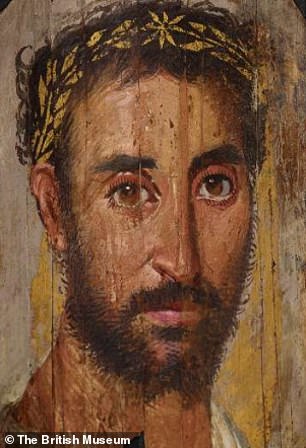
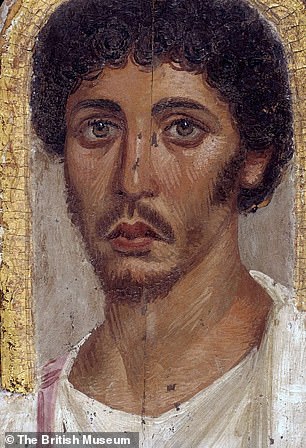
Some scholars believe that Jesus looked very much like other men of his time and did not have distinctive features. Dr Warren thinks the best representations of Jesus come from Egyptian mummy portraits, which show men with dark eyes, brown skin, short curly hair, and beards—features consistent with people from the region.
In 2015, medical artist Richard Neave used forensic techniques to reconstruct the face of a Judean man by studying Semite skulls. The portrait revealed a wide face, dark eyes, a bushy beard, and short curly hair, along with a tanned complexion typical of Jews in the Galilee area.
Muscles
Across statues and paintings of Christ, one of the most oddly consistent features is that the son of God is often depicted with chiselled abs. While this might seem like an absurd detail, experts say it is not that far-fetched when considering the details of Jesus’ life.
Professor Taylor noted that Jesus walked extensively during his mission and worked as a carpenter, so he was not a couch potato. He and his disciples lived on hospitality and shared food, so he likely did not eat much. This means that statues of Jesus with a six-pack may not be as far from reality as one might think.
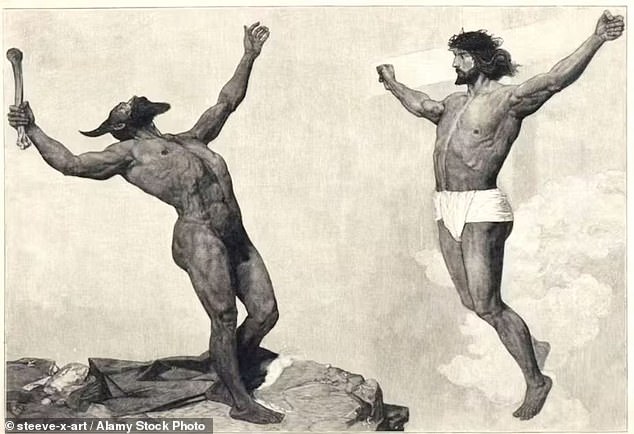
However, statues of Jesus on the cross with bulging biceps and pecs definitely miss the mark. As someone who traveled on foot and ate very little, it would be surprising if Jesus was particularly muscular.
Clothing
Modern depictions of Jesus often show him wearing a long white robe that hangs down to his ankles. However, in first-century Judea, long robes like these would have been seen as women’s clothing. Instead, men from the region wore a short woollen tunic made up of two pieces, belted or tied at the waist, with a thinner linen tunic underneath.
Only Roman citizens were permitted to wear a toga, but Jesus would have had a thick woollen mantle called a himation to wrap about himself for warmth. As a Jewish man, his mantle might have had knotted tassels called tzitzit on each corner.
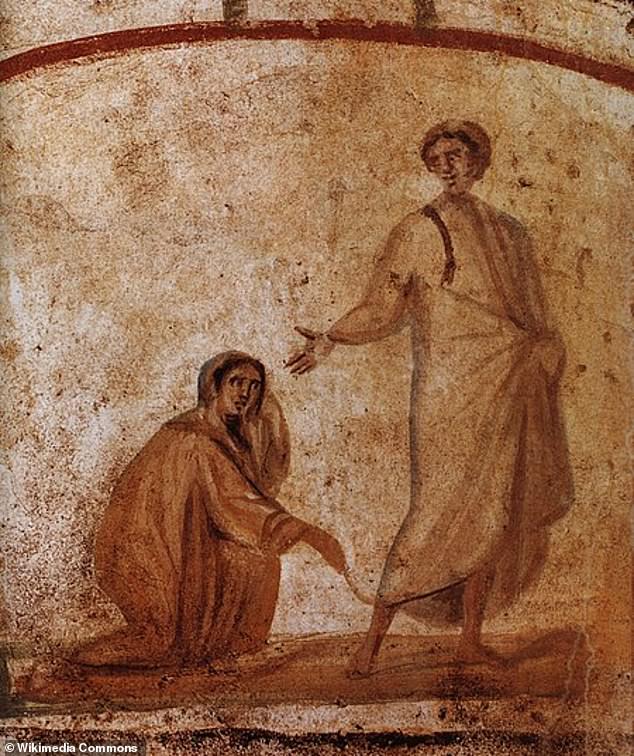

Archaeologists have found examples of first-century sandals in the caves of the Dead Sea and Masada. These show that Jesus’ sandals would have been very simple, with soles made of thick pieces of leather sewn together and upper parts made of straps of leather going through the toes.
When it comes to color, images of Jesus often show him wearing a red or blue mantle over his white robes. Archaeological evidence from the time shows that people did wear brightly colored and patterned clothes, but it is more likely that Jesus’ clothes would have been muted. Many garments were dyed bright colors, but it was considered more manly to wear duller hues or undyed clothing.
Final Thoughts
Did you know the real Jesus might not have had the serene look seen in paintings but appeared more rugged and indistinct amidst Judean crowds? Was the iconic image of Jesus as a long-haired, light-skinned man a complete fabrication? Could the chiselled abs found in portraits of Jesus be more accurate than we think given his lifestyle and work background? Could the latest AI image of Jesus challenge centuries of artistic portrayals? Could relics of Jesus’s clothing, like the Holy Coat, uncover untold stories from biblical times?


