
US Ambassador Cuts Ties with Polish Sejm Speaker Over Criticism of Trump
The US Ambassador to Poland, Tom Rose, has made a bold move by severing all diplomatic ties with Wlodzimierz Czarzasty, the Speaker of the Polish Sejm. This decision marks an unusual step in international diplomacy and has sparked significant discussion about the state of US-Polish relations.
A Statement of Disapproval
In a public announcement, Ambassador Rose stated that the United States will no longer maintain contact or communicate with Czarzasty. While he did not specify the exact nature of the alleged insults, it is known that Czarzasty had previously expressed his opposition to a proposal from Israeli and American officials to nominate former President Donald Trump for the Nobel Peace Prize. This stance was seen as a direct challenge to US interests and values.
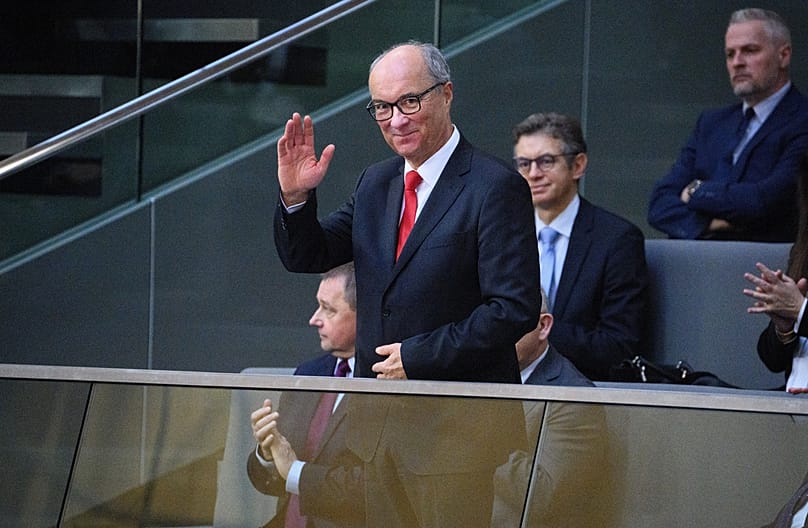
Czarzasty, a prominent figure in the liberal government led by Prime Minister Donald Tusk, is associated with a left-wing party. His comments were described by the US ambassador as “outrageous and unwarranted insults” that violate the standards of respect expected from senior representatives of allied nations.
The Backstory Behind the Conflict
The tension between the US and Czarzasty escalated after the Sejm speaker publicly declared his refusal to support the idea of awarding Trump the Nobel Peace Prize. He argued that Trump’s actions do not align with the principles of peace and instead undermine international law. Czarzasty criticized Trump for not adequately recognizing the contributions of Polish soldiers in US military missions and for what he described as the “instrumental treatment of other territories.”
He also expressed skepticism about Trump’s diplomatic initiatives, such as the creation of the Peace Council, suggesting that they are “illusory.” Instead, he advocated for strengthening existing international institutions like the European Union, NATO, the UN, and WHO.
Responses from Key Figures
Despite his strong stance, Czarzasty emphasized that his position is based on independent assessments of global issues and not on a desire to provoke conflict with the United States. He reiterated his respect for the US as a key ally but maintained his position.
Prime Minister Donald Tusk responded to the ambassador’s statement, asserting that allies should respect each other rather than lecture one another. However, Ambassador Rose stood by his decision, stating that while Tusk is a model ally, Czarzasty’s comments could potentially harm the Polish government.
Rose warned that insulting Trump, whom he referred to as “the greatest friend Poland has ever had in the White House,” was “the last thing” a Polish leader should do.
Implications for US-Polish Relations
Diplomatic experts note that such a move by the US embassy is rare, especially given the long-standing partnership between Poland and the United States. This relationship, built on military cooperation and strategic dialogue, could face challenges if negative rhetoric becomes more prevalent within key state institutions.
The situation now hinges on whether the Polish side chooses to de-escalate the dispute or allow it to escalate further into the parliamentary arena. Critics argue that maintaining open channels of dialogue is crucial, even when political differences arise among key allies.
Balancing Alliances
Since Trump took office, Poland has navigated a delicate balance between supporting its European allies and avoiding any actions that might upset the United States, which plays a critical role in ensuring stability in neighboring Ukraine.
To manage this, Poland has relied on Prime Minister Donald Tusk to handle EU matters while allowing President Karol Nawrocki, backed by the national-conservative Law and Justice (PiS) party, to engage with Trump. Nawrocki enjoys a strong relationship with Trump, who endorsed him during the 2023 presidential campaign and invited him to the White House shortly after he assumed office.
During a recent visit to the White House, Trump affirmed his commitment to keeping US troops in Poland, signaling support for Nawrocki’s leadership. He even suggested increasing the number of troops if Poland desired.
Earlier this week, Nawrocki convened a meeting of a national security body to discuss whether Poland should join Trump’s Board of Peace and to address allegations regarding Czarzasty’s “eastern business and social contacts.” Czarzasty denied any improper connections with Russia or Belarus.
The Law and Justice party, which supported Nawrocki’s presidential bid, is hoping to regain power in upcoming parliamentary elections. This development adds another layer of complexity to the evolving dynamics between Poland and the United States.


