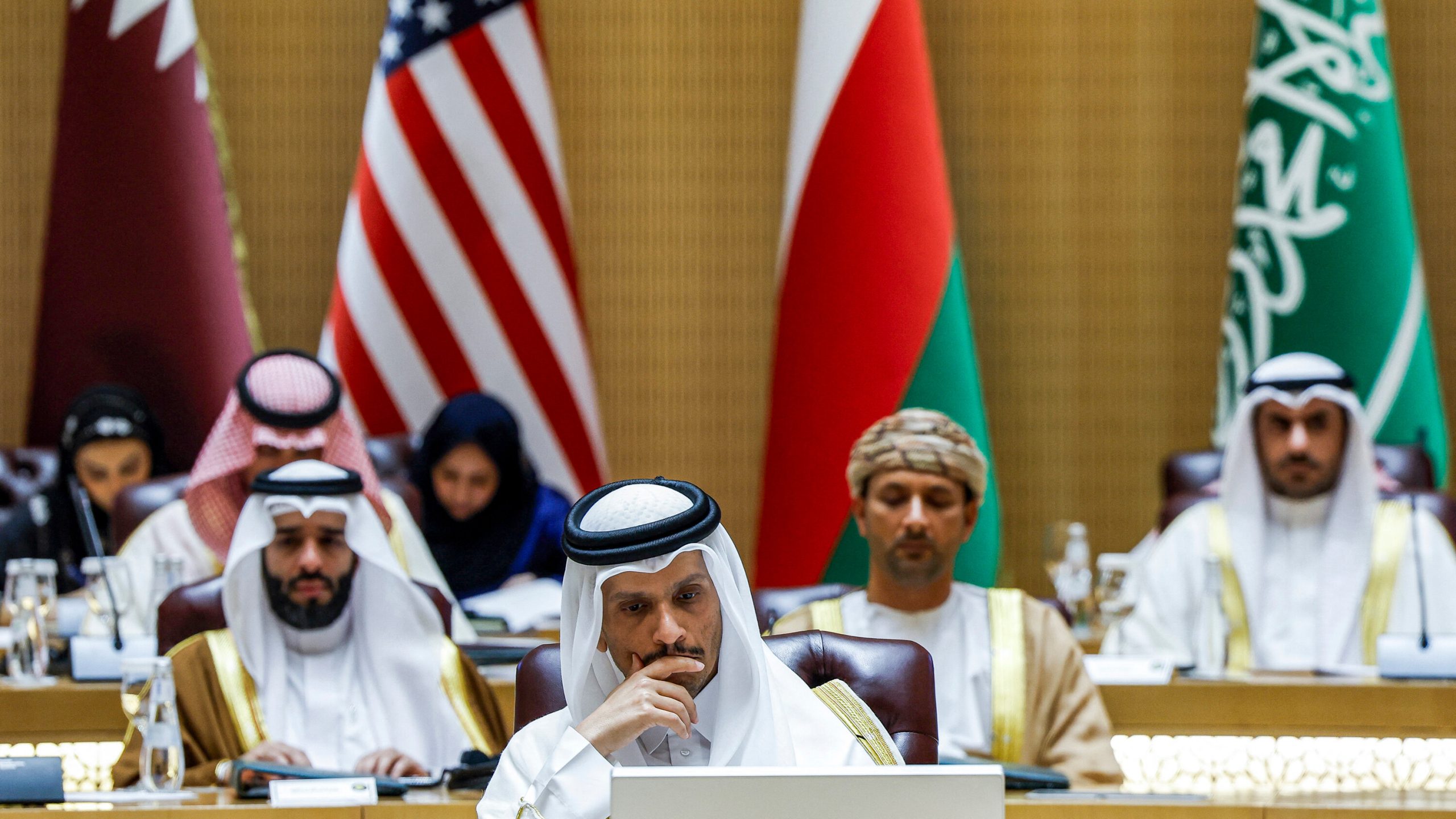
U.S. and International Mediators Engage in Critical Peace Talks
U.S. President Donald Trump’s top Middle East adviser, Steve Witkoff, along with the president’s son-in-law, Jared Kushner, joined the third day of peace talks between Israel and Hamas in an Egyptian resort on Wednesday. This development signals that negotiators are focusing on resolving the most complex aspects of a proposed American plan to end the ongoing conflict in Gaza.
The discussions took place in Sharm el-Sheikh, where representatives from both sides met to address critical issues such as the conditions for a ceasefire, the release of hostages, and the future governance of Gaza. The presence of high-level officials underscores the gravity of the negotiations and the international community’s interest in finding a lasting solution.
Hamas has emphasized its demand for firm assurances that Israel will not resume military operations in the Palestinian territory after the group releases all remaining hostages. Despite this, all parties involved have expressed cautious optimism about reaching a deal that could bring an end to the two-year-long war, which has resulted in tens of thousands of Palestinian deaths and widespread destruction of the Gaza Strip.
Key Issues Under Discussion
Several key elements of the peace plan remain unresolved, including:
- Hamas Disarmament: A requirement for Hamas to disarm before any significant steps toward a ceasefire can be taken.
- Israeli Troop Withdrawal: The timing and extent of Israel’s withdrawal from Gaza.
- International Governance: The establishment of an international body to oversee Gaza once Hamas steps down from power.
Qatar’s prime minister and foreign minister, Sheikh Mohammed bin Abdulrahman Al Thani, is also expected to join the talks, further highlighting the international involvement in the negotiations. From the Israeli side, Prime Minister Benjamin Netanyahu’s top adviser, Ron Dermer, is participating, according to an anonymous Israeli official.
Representatives from fringe militant groups, such as the Popular Front for the Liberation of Palestine (PFLP) and Palestinian Islamic Jihad, are scheduled to arrive later in the week. Their participation indicates the broader aim of the talks to include all Palestinian factions.
Trump’s Peace Plan
Trump’s proposed peace plan calls for an immediate ceasefire and the release of the 48 Israeli hostages still held by militants in Gaza. It envisions an Israeli troop withdrawal from the territory after Hamas disarms, followed by the deployment of an international security force. The plan also includes the establishment of an international governing body for Gaza, with Trump and former UK Prime Minister Tony Blair overseeing the process.
Egyptian President Abdel-Fattah el-Sissi described the negotiations as “very encouraging” in televised comments. Netanyahu has accepted the plan, with his office expressing “cautious optimism” and framing the talks as technical negotiations over a previously agreed-upon framework.
Hamas reiterated its long-standing demands for a lasting ceasefire and a full Israeli withdrawal from Gaza, though it did not explicitly address the issue of disarmament. The group has historically resisted the idea of international rule but has acknowledged that it will not play a role in governing post-war Gaza.
Challenges and Concerns
Despite the progress made in preliminary talks, several obstacles remain. Past negotiations have often collapsed due to disagreements over guarantees for a permanent ceasefire and the conditions under which Israel would withdraw. Trump’s plan aims to resolve these issues by addressing them simultaneously.
Khalil al-Hayya, Hamas’ top negotiator, emphasized the need for solid guarantees that the war will not resume. His public appearance marked a rare moment of visibility since an Israeli strike targeting him and other Hamas leaders in Qatar last month killed six people, including his son and office manager.
Islamic Jihad leader Ziad Nakhaleh suggested that a prisoners’ exchange could occur in the next few days, potentially removing any pretext for further Israeli attacks. However, he warned against expecting Palestinians to comply with what he described as “conditions and dictation.”
Senior Hamas official Izzat al-Rishq highlighted the significance of the involvement of Qatari, Egyptian, and Turkish officials in the talks, stating that it strengthens the likelihood of achieving positive results while limiting Netanyahu’s ability to continue the conflict.
Human Suffering and Desperation
In the two years since the Hamas-led attack on southern Israel, which resulted in the deaths of around 1,200 people and the abduction of 251 hostages, the situation in Gaza has deteriorated significantly. Most of the hostages have been released through ceasefires or other agreements, but many remain in captivity.
Experts, including those commissioned by the United Nations, have accused Israel of committing genocide in Gaza, although Israel denies these allegations. According to the Gaza Health Ministry, more than 67,000 Palestinians have been killed, and nearly 170,000 have been wounded.
In the central part of the Gaza Strip, displaced families are living in makeshift tents along the beach, using blankets for shelter. Many lack access to food, clean water, and medical care.
Um Sulaiman Abu Afash, a displaced woman from Gaza City, described the dire conditions: “There is no food, nor good water, and blockage of crossings. Our kids sleep in the streets. We buy drinking water. Where do we go? There’s no mercy.”
Sara Rihan, another displaced woman from Jabaliya, expressed her hope for an end to the war: “I hope we return to our places and homes even if there are no homes. Our existence in our land is the biggest happiness for us.”


