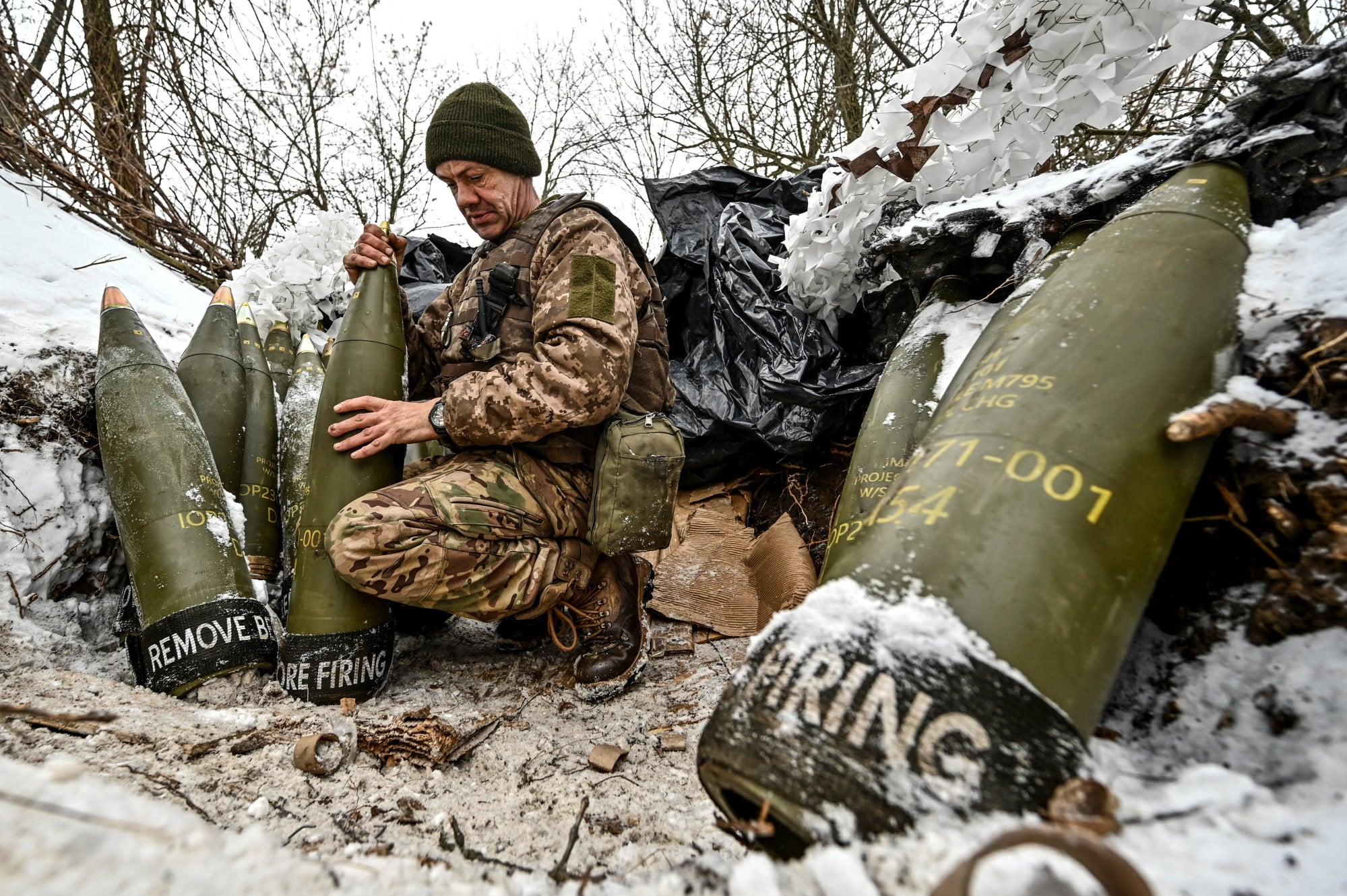
Depleted stockpiles from the Middle East and Ukraine wars are spurring South Korean arms makers to build US production hubs
Washington is increasingly turning to South Korea to ease ammunition supply bottlenecks triggered by wars in the Middle East and Europe, potentially accelerating Seoul’s integration into the US defence industrial base.
Analysts say the United States may struggle to replenish stockpiles quickly enough if conflicts in Iran and Ukraine drag on, creating opportunities for South Korea’s defence industry to expand its presence in the US market.
Jang Won-joon, a defence science professor at Jeonbuk National University, said the war with Iran and Russia’s invasion of Ukraine had made Washington acutely aware of shortfalls in its domestic defence production capacity.
Do you have questions about the biggest topics and trends from around the world? Get the answers with SCMP Knowledge, our new platform of curated content with explainers, FAQs, analyses and infographics brought to you by our award-winning team.
The US burned through US$22.3 billion worth of ammunition in just four months of the Iran war, according to the Pentagon, putting its defence industry under scrutiny and exposing what critics call a structural problem.
Washington is now expected to build defence production networks with allies across the Indo-Pacific, including South Korea, Japan and Australia to help close the supply gap.
“The US can’t do everything on its own and it is turning to allies in selected sectors such as munitions, missiles and battleships,” Jang said. “South Korea has emerged as a key partner for the US in such efforts.”
Defence industry cooperation with South Korea could serve as a model for other US allies, Jang said, citing the US$150 billion “Make American Shipbuilding Great Again” initiative proposed by South Korea to revitalise the US maritime and shipbuilding sectors as part of a broader investment package aimed at securing lower tariffs.
The initiative is anchored by South Korea’s largest shipbuilders – HD Hyundai, Samsung Heavy Industries and Hanwha Ocean – working alongside government ministries.
“The US is likely to present defence industry cooperation with South Korea as a successful model to encourage other allies to follow suit,” Jang said.
South Korea’s leading defence company, Hanwha Aerospace, has moved quickly to take advantage of the US ammunition bottleneck by expanding its integration with the American defence industry.
On Tuesday, it announced a US$2.2 billion investment over seven years to build a production hub for 155mm (6.1-inch) artillery shells at a US Army site in Arkansas – potentially giving it an advantage in securing other American military contracts.
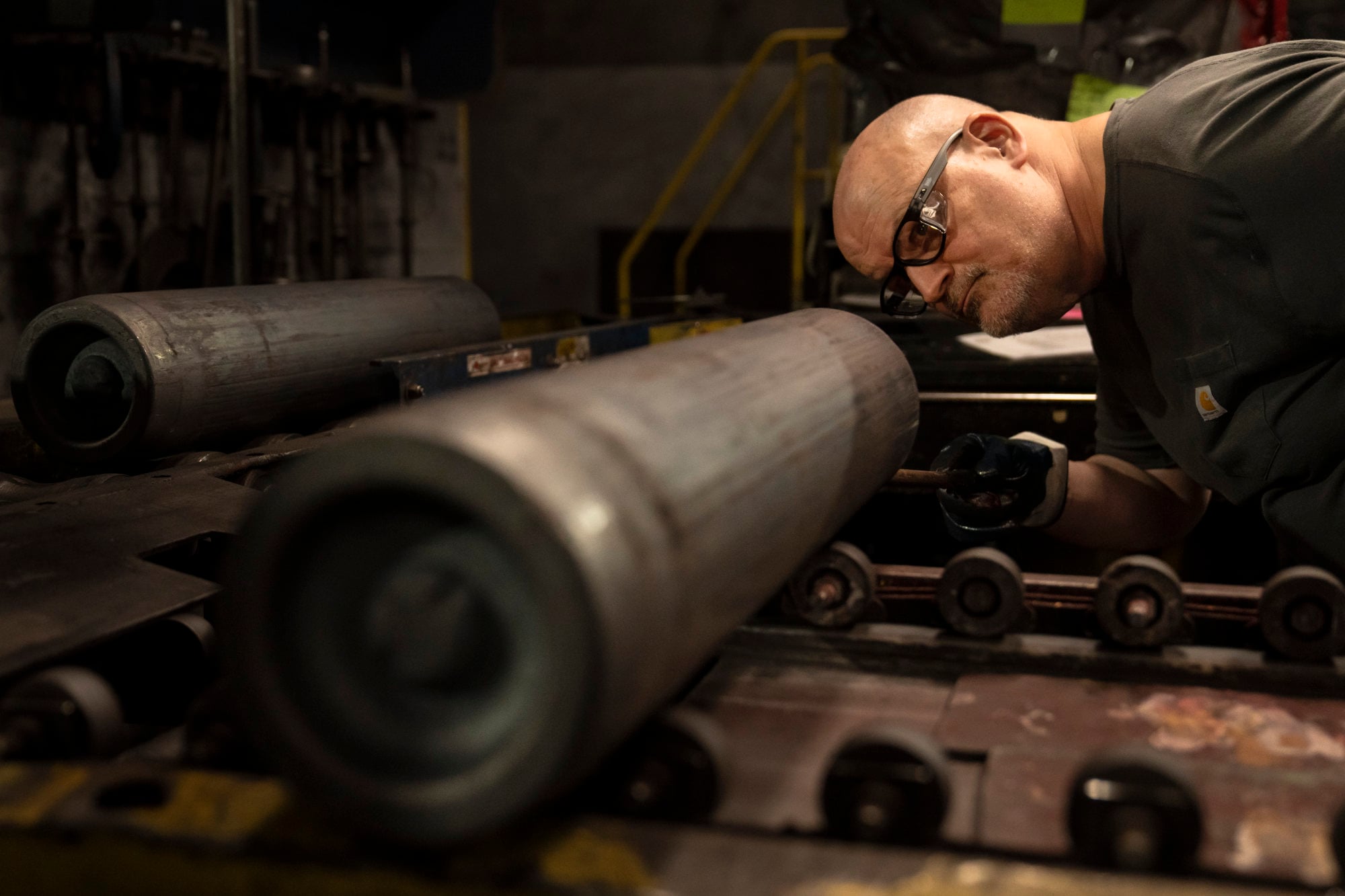
Hanwha’s vertically integrated facility, covering the entire ammunition production process from raw materials to finished products, is set to manufacture components and propellant charges for 155mm shells.
The US has been falling well short of its production targets for the shells because of manufacturing bottlenecks and contractor issues. Global supply is tight largely because the Ukraine war has consumed shells far faster than Western factories can replace them.
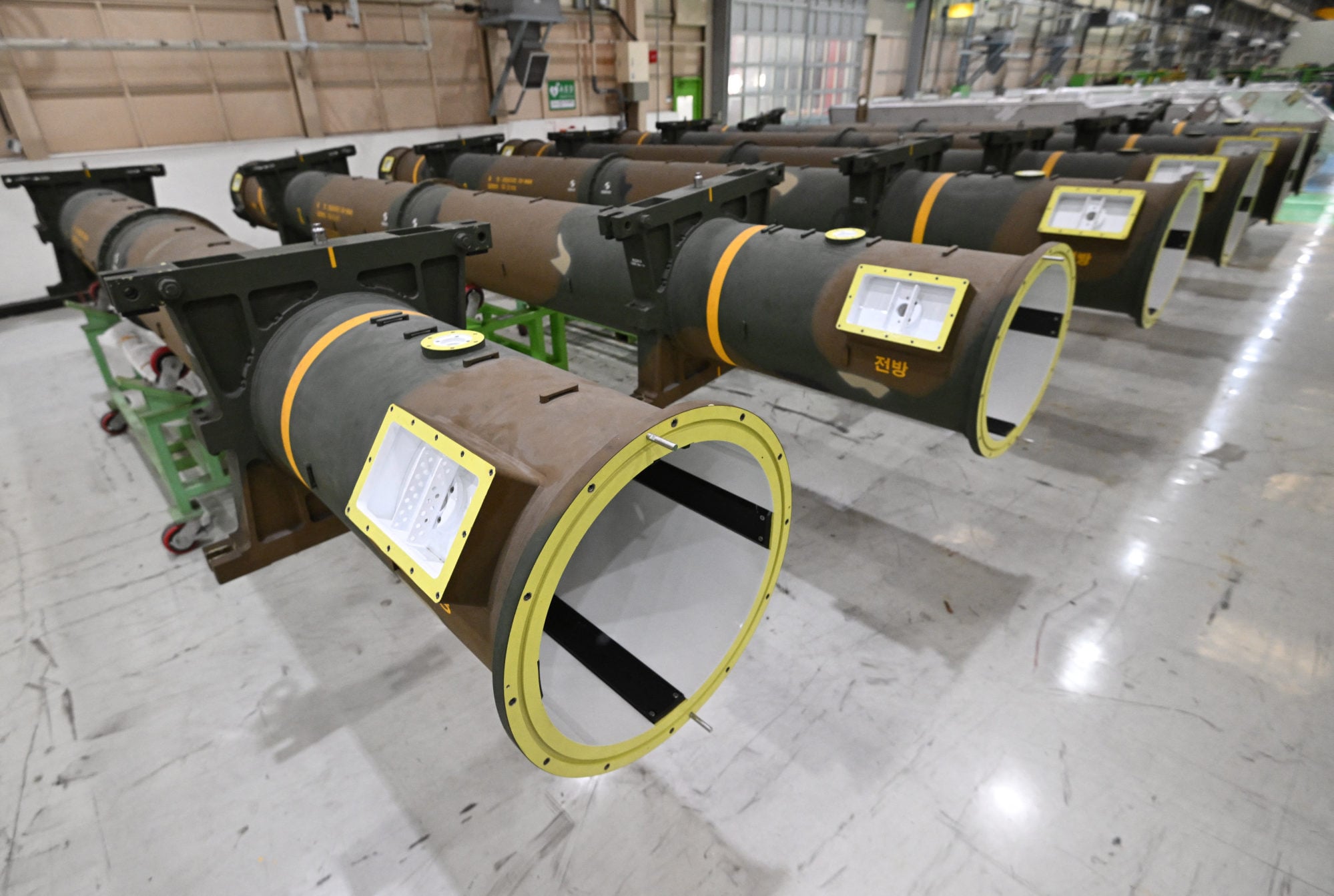
Last month, Hanwha Defence USA, the company’s American subsidiary, signed a contract with the US Army to deliver six K9 Mobile Howitzer wheeled prototypes, in an initial deal worth roughly US$100 million that could reach US$263 million if an option for an additional 12 units is exercised.
Hanwha is also building a facility in Opelika, Alabama for prototype assembly, integration and testing.
“We will help take the capabilities of the US ammunition industry to the next level while actively contributing to the expansion of defence cooperation between the two countries,” said Michael Coulter, head of Hanwha Defence USA.
Other South Korean manufacturers are also attracting global attention. LIG Defence & Aerospace, formerly LIG Nex1, is seeking to expand its market share in interceptor missiles, despite constraints on domestic manufacturing capacity.
But industry officials warn that US shortages will not automatically translate into orders for South Korean firms. Foreign companies still face high barriers to entry, including “Buy American” procurement rules, strict tech-security regulations and demanding US military certification requirements.
Kim Mi-jung, a research fellow at the Korea Institute for Industrial Economics and Trade specialising in the defence industry, said deeper integration into the US industrial base was necessary for South Korea to clear these legal hurdles.
“To advance into the US defence market, South Korea and others have little option but to set up and invest through US subsidiaries,” she said.
Kim and other analysts say South Korea is well positioned to help replenish depleted US stockpiles, including 155mm shells, because the threat from North Korea has forced Seoul to maintain production capacity and substantial reserves even as other countries scaled back.
“South Korea is almost the only option for the US to renovate its ageing ammunition production facilities on a short timeline,” Kim said, adding that the cooperation would strengthen Seoul’s leverage in trade and investment negotiations with Washington.
Doo Jin-ho, a research fellow at the Institute for Far Eastern Studies at Kyungnam University, said the Hanwha deal could pave the way for cooperation on other platforms, including maritime and aerial systems, missiles, drones and AI-based weapons.
“South Korea is in effect the only arms supplier which the US could rely on to replenish its depleted arms depot quickly,” Doo said, adding that the two allies maintained interoperability across many weapons systems, including 155mm artillery.
Washington could also turn to Hyundai Rotem’s K2 main battle tanks to address shortfalls, Doo said, and to LIG Defence & Aerospace’s Cheongung interceptor missiles to supplement Patriot systems that were also in short supply.
“Defence cooperation with the US would benefit both countries, strengthen the bilateral alliance and give South Korea significant opportunities to expand its presence in the global market,” he said.
Many countries no longer wanted to buy “finished weapons”, Jang added, but rather the “ability to sustain war” through local production, technology cooperation, maintenance, repair and overhaul, training and the capacity to rapidly scale up in a crisis.
With this in mind, South Korea “must move beyond exports of finished weapons to ‘package exports’”, he said. “And ultimately to ‘ecosystem exports’ that support a country’s ability to sustain war.”
Zack Cooper, a senior fellow at the American Enterprise Institute, said the South Korean defence industry’s ability to produce cheaply, quickly and at scale “makes cooperation attractive for the US”.
“Allied co-production is one potentially attractive avenue to increase defence output, so is definitely attracting attention in Washington,” Cooper told This Week in Asia. “There are still many political hurdles that companies and countries will need to overcome, but I think there’s a lot of potential in deepening this type of cooperation.”
More Articles from SCMP
US Air Force to shut down research centre focusing on Chinese military
American views of China improve before Xi-Trump summit, Pew report finds
US restricts visas for birth tourism ahead of Xi Jinping’s summit with Trump
‘No broadcast, no problem’: Chinese media uses smartphones to stream Asian Games
This article originally appeared on the South China Morning Post (www.scmp.com), the leading news media reporting on China and Asia.
Copyright (c) 2026. South China Morning Post Publishers Ltd. All rights reserved.

Related posts:

Fiction park: He was the best in class. He still wasn’t good enough

Gagan Thapa takes oath as Congress president, vows to regain public trust

Inside knowledge that has locals gripped by fear after gran’s body found decomposing in cattle dip

New property purchase disclosure rule in Japan sparks fears it may curb foreign investment

Dino-mite treasures: inside Singapore’s Fort Knox storing playthings of ultra-rich