A Hub of Commerce and Culture
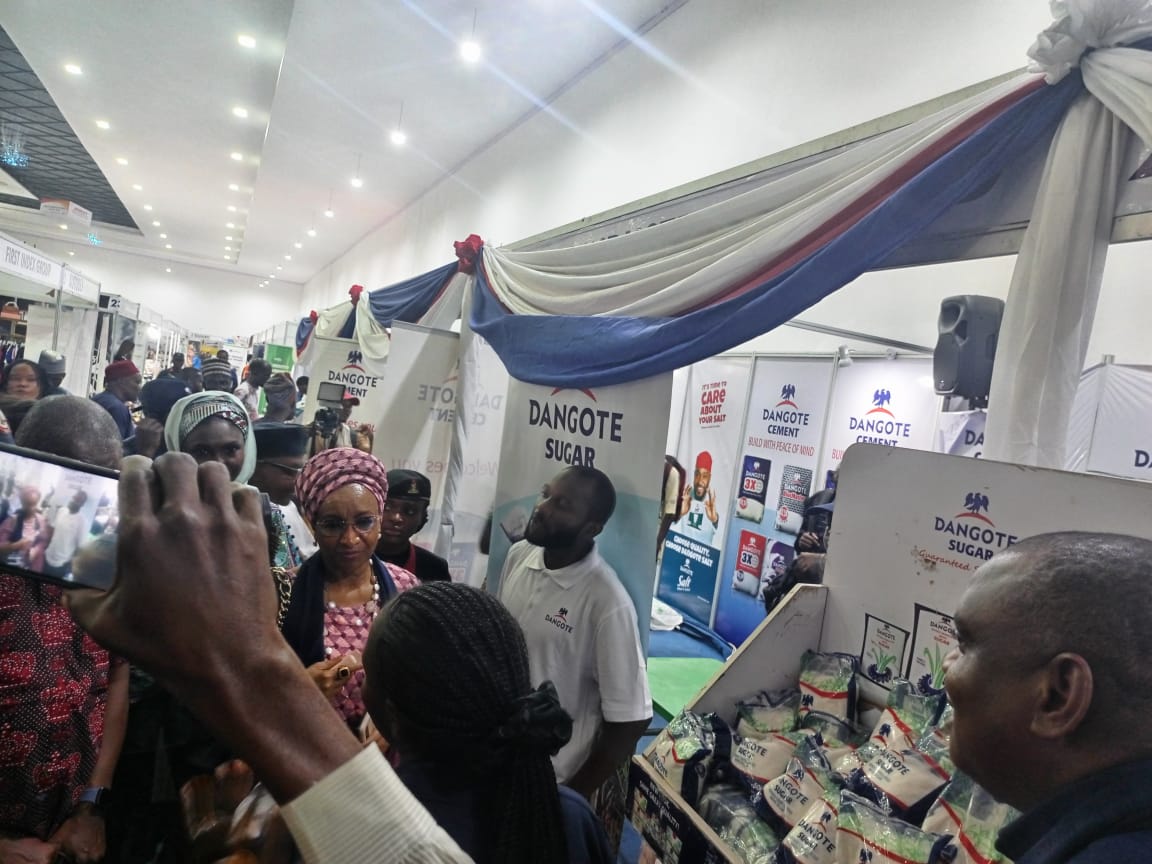
For the past two decades, Abuja has been a melting pot of trade and culture, offering residents and visitors an opportunity to explore products from across the country and around the world through the Abuja International Trade Fair (AITF). This annual event serves as a platform for both established businesses and small-scale traders to showcase their goods while providing attendees with access to affordable products.
Despite the economic challenges that have impacted purchasing power in Nigeria, the fair continues to attract a diverse crowd. The atmosphere is vibrant, filled with the sounds of local music and the energy of people browsing through open stalls at the Abuja Chamber of Commerce. From big names like Dangote to street vendors selling sachet water, the fair offers something for everyone.
The organizers have made efforts to enhance accessibility by allowing free entry this year, a change from previous years when an entrance fee was required. Vendors are given the choice of setting up either open or indoor stalls, making it easier for customers to navigate and discover a wide range of products. These include local perfumes, Adire fabrics, kitchenware, solar devices, dairy products, and cosmetics, among many others.
Government agencies also use the fair as an opportunity to promote their services, while states such as Plateau and Nasarawa highlight their unique offerings. Nasarawa, for instance, celebrated its “Day” with a cultural performance that captivated the audience.
Families often take advantage of the holiday to bring their children to the fair, creating a lively environment where excitement is evident on the faces of young visitors. The high commission of Ghana also had a stall, showcasing traditional fabrics and adornments worn in the country.
Vendor Perspectives and Challenges
Sally Ameh, a vendor who sells hair products, shared her experience of being in Nigeria for the first time. While she acknowledged that the fair’s patronage hasn’t been as strong as expected, she remains optimistic about sales picking up before the fair concludes on October 6. She emphasized the need for better visibility and more effective advertising to attract more visitors.
Mary Otoo, another Ghanaian vendor, recalled that the fair used to be much busier than it is now. Despite her decade-long experience, she noted that fewer people are visiting the event. She urged organizers to reduce stall prices, as they are currently expensive, and to increase publicity efforts to ensure more people are aware of the fair.
Samuel Ayew mentioned that sales have started to improve after a slow beginning. He attributed the increase to the independence holiday and praised the organizers for their efforts, though he suggested that the first day could be more active.
Joseph Terry, who operates Sunny Kitchen Made in Japan, also noted that sales have been slower due to the current economic situation. He highlighted the importance of advertising through TV and social media to reach potential customers in Abuja. He also called for lower stall prices, as the cost of renting space is quite high.
Tolu Williams, a food vendor, appreciated the fair for bringing together different people and businesses in one place. She highlighted the opportunity to make long-term connections and expose products to new audiences.
Okechuwu Christian, who sells solar-powered devices, reported significant sales since the fair began. He praised the organizers for holding the event during a time when people still have their salaries to spend on family needs.
A Platform for Local Products
Eme Paul, a civil servant who visited the fair with her family, expressed her excitement about supporting locally made products. She believes the fair provides an opportunity to encourage Nigerian-made goods and create jobs. She also noted the potential for negotiating great deals and stimulating economic activities.
Chris Akamiran, who used the holiday to search for needed products, praised the initiative for bringing hard-to-reach items closer to consumers. However, he pointed out that the high cost of living is affecting participation, leading to fewer vendors at the event.
Conclusion
The Abuja International Trade Fair remains a vital platform for commerce and cultural exchange. While challenges exist, the event continues to offer a unique opportunity for vendors and visitors alike to connect, trade, and celebrate diversity. With continued efforts to improve visibility and affordability, the fair has the potential to thrive and remain a key event in the region.


