Investigating the Hidden Dangers of Popular Supplements
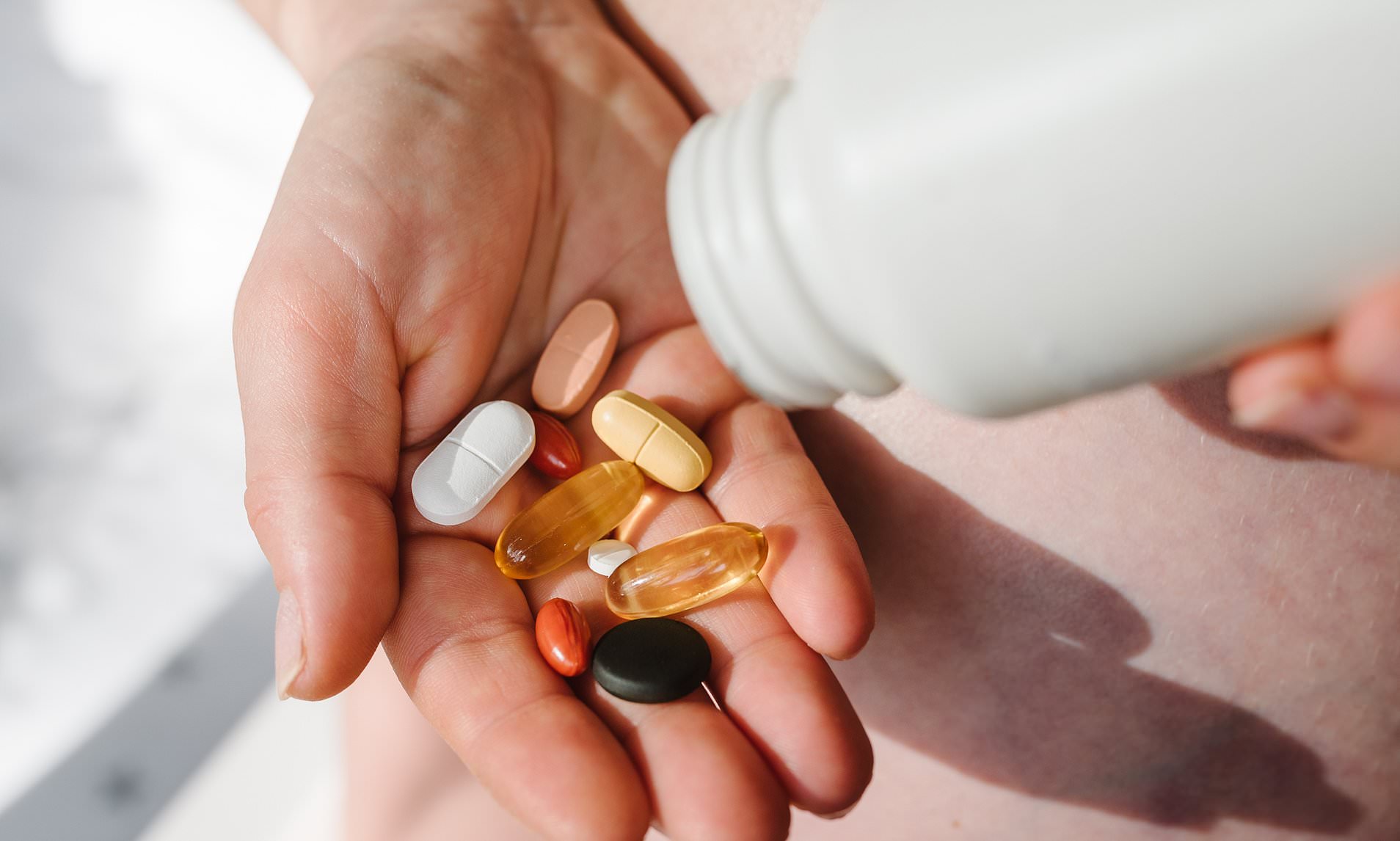
A recent investigation has uncovered alarming findings about the safety of popular supplements available on Britain’s high streets and online. The study revealed that many of these products contain toxic doses of vitamins and minerals, far exceeding the safe upper limits recommended by UK health officials. This discovery has raised serious concerns about consumer safety and the need for stricter regulation within the supplement industry.

Vitamin D: A Dangerous Overdose
One of the most concerning findings was related to vitamin D supplements. According to NHS guidelines, adults should take 10 micrograms of vitamin D daily, with a maximum safe limit of 100mcg. However, Which? found several products containing significantly higher levels. For instance, Nuke Nutrition’s Vitamin D3 supplements sold on platforms like Superdrug Marketplace, TikTok Shop, and eBay contained 250mcg of vitamin D—more than double the safe upper limit.
The consumer watchdog also discovered two vitamin D supplements on AliExpress containing 1,250mcg, which is more than 12 times the recommended daily dose. Excessive vitamin D can lead to hypercalcaemia, a condition where there is too much calcium in the body, potentially causing weakened bones, kidney damage, and heart issues.

Other Vitamins and Minerals Also at Risk
Vitamin D wasn’t the only supplement found to exceed safe levels. Which? also identified vitamin A supplements sold on Etsy, TikTok Shop, and eBay that contained up to 7,500mcg of the vitamin—five times the NHS’s safe limit of 1,500mcg. While these products included warnings for pregnant or lactating women, they still posed a risk to general consumers.
Another troubling case involved a vitamin B6 supplement sold by Holland & Barrett, which contained ten times the recommended daily safe limit of 10mcg. Prolonged use of such high doses can lead to permanent peripheral neuropathy, causing nerve damage in the hands and feet, muscle weakness, and balance issues.

Zinc and Incomplete Labeling
Zinc supplements were also found to be problematic. Amazon’s most popular zinc supplement from the brand WeightWorld contained 50mg of zinc, double the safe upper limit. Although the brand included a warning about potential long-term effects, the NHS warns that exceeding 25mg of zinc daily can lead to copper deficiency, resulting in fatigue and anemia.
Additionally, some supplements investigated by Which? lacked clear information about the actual amount of active ingredients. This lack of transparency makes it difficult for consumers to understand what they are taking, increasing the risk of accidental overdose.

Regulatory Challenges and Industry Responses
Supplements are classified as food under the Food Supplements Regulations 2003 and are regulated by the Food Standards Agency (FSA) and Food Standards Scotland (FSS). However, safe upper levels are based on voluntary guidelines from the UK’s Expert Group on Vitamins and Minerals (EVM).
Several companies responded to the findings. AliExpress stated that it takes product safety seriously and had already removed non-compliant products before being contacted. Amazon claimed that the products flagged by Which? met current regulatory guidance, while eBay emphasized that the NHS and FSA guidelines are advisory and not mandatory.
Holland & Barrett announced that it would reformulate its vitamin B6 range to align with the European Food Safety Authority (EFSA) guidelines, with new products expected to be available this month. The company also stated that products not meeting these standards would be withdrawn by the end of October 2025.
The Need for Better Regulation
Which? called for urgent action to improve regulation and oversight of the supplement industry. The watchdog highlighted the risks associated with excessive vitamin and mineral intake and urged the government to implement stronger measures to protect consumers.
As the debate over supplement safety continues, it is clear that both manufacturers and regulators must take responsibility for ensuring that products are safe and properly labeled. Consumers, too, should remain vigilant and informed about the supplements they choose to take.


